
Vandaag of morgen in huis

Kwaliteit gegarandeerd

Welkomstaanbiedingen ontgrendelen: GRATIS bezorging | Tot 80% korting | Gratis 30 dagen JoyPlus-proefperiode
Download de app
Dry, tight or easily irritated skin does not automatically require the most expensive jar of cream. When looking for a ceramide cream for the skin barrier, you will come across plenty of promises about repairing, soothing and intensive hydration. The right choice mainly depends on the formula, when you use it and your skin type.
“Contains ceramides” on the front does not automatically mean that a product contains many different ceramides. Check the ingredients list. Names such as Ceramide NP, Ceramide AP, Ceramide AS, Ceramide NS and Ceramide EOP show which variants have been added. Their position in the ingredients list also gives an indication of the quantity, although exact concentrations are not always disclosed.
Pay attention to additional ingredients too. Glycerine, panthenol, hyaluronic acid, squalane and fatty acids can help create a more comfortable skin feel and lock in moisture. Ceramides therefore usually work as part of a broader moisturising formula.
A cream for sensitive skin may still contain fragrances or essential oils. This is relevant if your skin is prone to stinging or looks red easily. For example, the ANUA 7 Rice Ceramide Hydrating Barrier Serum contains fragrance, according to the listed ingredients. Dr.Jart+ CERAMIDIN contains geranium, bergamot and sage oils, as well as citronellol.
If you are specifically looking for fragrance-free skincare, it is worth checking the full INCI list rather than relying only on the front of the packaging. A fragrance-free formula does not guarantee a problem-free experience, but it does remove one common source of irritation.
A ceramide serum is often lightweight and works well under a moisturiser. A cream usually forms a richer, more sealing layer. A body lotion is designed for larger areas and may have a different texture. Use a hydrating face cream on your face and choose a body lotion when your arms, legs or torso are particularly dry.
Combination skin may benefit from different textures. For example, the AXIS-Y Cera-Heart My Type Duo Cream uses a lighter gel cream for the T-zone and a richer cream for drier areas.
When supporting the skin barrier, do not look only at ceramides. A formula containing cholesterol, fatty acids, panthenol, glycerine or hyaluronic acid may be a sensible choice for dry skin. According to the product information, The Ceramide Skin Barrier Moisturizer contains several ceramide variants, cholesterol, phytosphingosine, panthenol and different forms of hyaluronic acid.
That does not mean the product will work the same way for everyone. How it feels on the skin, the climate, the amount you use and the rest of your routine all play a part.
For dry and irritated skin, check for:
Test a new product on a small area of skin first. Stop using it if irritation develops. If symptoms persist or are severe, seeking advice from a dermatologist is wiser than continually trying new products.

Why it suits this profile: A 100ml cream is practical for everyday use and suitable as the final step in a simple morning and evening routine.
The ingredients list includes Ceramide NP, Ceramide AP and Ceramide EOP alongside panthenol, glycerine and hyaluronic acid. This means you look beyond the ceramide claim alone.
100ml; ceramides combined with panthenol, centella, squalane and ectoin according to the product information.

Why it suits this profile: This moisturiser is worth considering if you want to compare a comprehensive formula and value multiple barrier-supporting ingredients.
The ingredients list names several ceramides, cholesterol, phytosphingosine, panthenol and hyaluronic acid. Always check the current packaging, however.
80ml; contains Ceramide NP, NS, AP, AS and EOP according to the product information; a patch test is recommended.
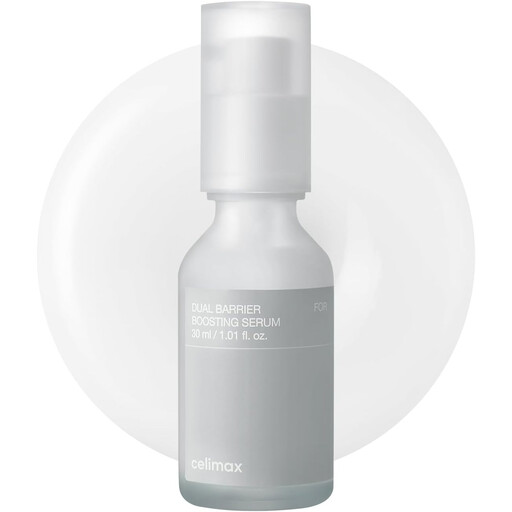
Why it suits this profile: A 30ml serum is ideal if you want to add an extra hydrating layer beneath your cream.
The product description mentions a complex containing five ceramides and a formula for dry, sensitive and redness-prone skin. This remains a product claim, not a medical guarantee.
30ml; serum texture; according to the product information, dermatologically tested and designed for intensive hydration.
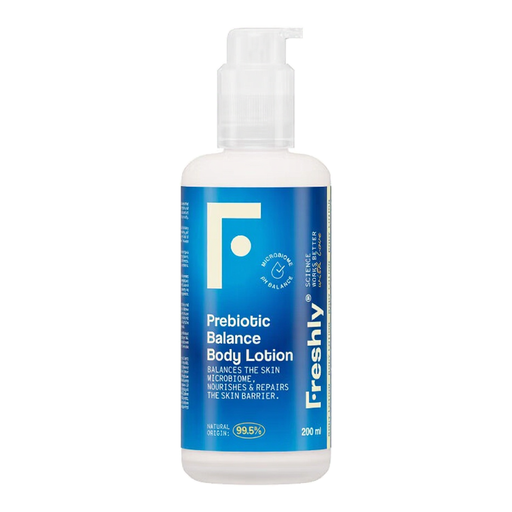
Why it suits this profile: The 200ml pack and lotion texture are practical for everyday care of larger areas of the body.
Here, you are deliberately choosing a body lotion rather than a small face cream. The formula lists prebiotics and three ceramides.
200ml; lightweight, fast-absorbing texture according to the product information; lists a 99.5% natural formula.
We have put together a complete, up-to-date list of products that fully meet these strict selection criteria and the applicable European safety regulations.
A cream for redness may sound appealing in marketing copy, but redness can have several possible causes. Treat such claims as product information rather than a medical promise.
You can usually use a ceramide cream once or twice a day, depending on the instructions on the packaging and how your skin feels. If you have sensitive skin, you may wish to start by using it every other day.
Yes. Apply a thin layer of serum first, followed by the cream. Do not introduce several new active products at the same time, as this makes it harder to identify any reaction.
Check the expiry date and the period after opening shown on the packaging. Store the product in a cool, dry place away from direct sunlight, and close the packaging properly. Shelf life does not indicate how quickly your skin will start to feel more comfortable.
