
Livraison le jour même et le lendemain

Qualité garantie

Débloquez vos offres de bienvenue: Livraison GRATUITE | Jusqu'à -80 % | 30 jours d'essai gratuits à JoyPlus
Téléchargez l'application
Dry, tight or easily reactive skin does not automatically need the richest cream you can find. When choosing a ceramide cream for the skin barrier, the complete formula, texture and your daily routine all matter. Marketing terms such as “intensive repair” or “72-hour hydration” mean little on their own if you do not know which ingredients and usage instructions they refer to.
The Joybuy Product Recommendation Officer helps you assess the key differences without presenting marketing claims as guaranteed results. This makes it easier to find a barrier-supporting face cream that suits your skin type, budget and when you plan to use it.
A moisturiser with ceramides may contain one or several types of ceramide. More types do not automatically mean that the cream will feel more comfortable or work better for everyone. Glycerine, panthenol, squalane, fatty acids and cholesterol also affect how comfortable and nourishing the formula feels.
So check the complete ingredients list. Look for Ceramide NP, AP, AS, NS or EOP, for example, but also pay attention to hydrating and soothing ingredients.
A cream for dry skin can feel richer, particularly in winter or when your skin lacks moisture. If you have combination skin or wear sunscreen and make-up every day, a heavy formula may be less practical. A gel cream or lotion may be a better fit.
A glossy finish is not proof that the skin barrier is becoming stronger, either. Consider how comfortable the product feels, how quickly it absorbs and how much you need to apply.
A product description may describe a formula as gentle or suitable for sensitive skin. This is information provided by the brand or seller, not a guarantee that every user will tolerate the product. Check whether it contains perfume, essential oils or fragrance ingredients, and carry out a patch test first if you have sensitive skin.
According to some brands’ product information, certain formulas are hypoallergenic, dermatologically tested or non-comedogenic. These are manufacturer claims, so always check the packaging and the current ingredients list of the product you receive.
Ceramides are fatty components that occur naturally in the skin. In skincare, they are used in formulas designed to help retain moisture and keep the skin feeling comfortable. A good choice does not need to contain ceramides alone. Glycerine and hyaluronic acid attract moisture, while panthenol, allantoin, squalane and shea butter can make the formula softer or more nourishing.
If you are looking for a hydrating cream for sensitive skin, you may also want to look for a short, easy-to-understand ingredients list. The fewer potential fragrance ingredients and unnecessary extras, the easier it is to identify the cause of a reaction.
A fragrance-free face cream is often a practical choice if your skin is prone to stinging or redness. Check the INCI list to confirm this. Dr.Jart+ CERAMIDIN Skin Barrier Moisturizing Cream lists geranium oil, bergamot oil, sage oil and citronellol among its ingredients. This does not automatically make the cream unsuitable, but users with a low tolerance for fragrance ingredients should take this into account.
A 50 ml pot or tube can last a long time if you only use a small amount each time. An 80 or 100 ml product may be more appealing for daily use on the face and neck. Also check the instructions: some creams are intended as the final step in your morning and evening routine, while a cream mask is used only once or twice a week.
Apply a new cream to a small area of skin first. Stop using it if you experience persistent irritation, redness or swelling, and follow the safety instructions on the packaging.
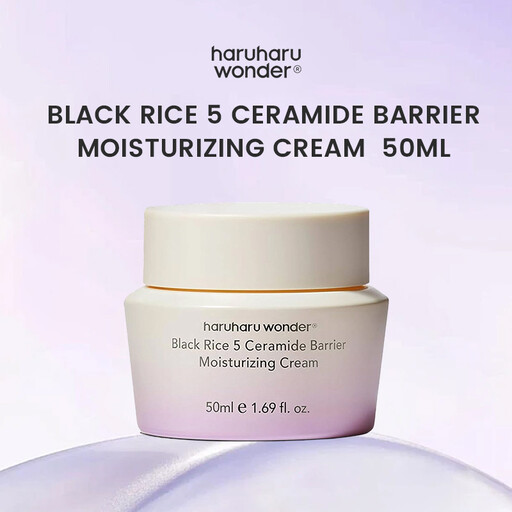
Why it suits this profile: According to the product description, this Korean skincare cream combines glycerine with an encapsulated ceramide complex and fermented black rice. This makes it suitable as an everyday moisturiser for anyone who wants to keep things simple.
The ingredients list names several types of ceramide, allantoin and vitamin E. However, check the current packaging when buying, as ingredients may change.
50 ml; the stated formula contains glycerine, allantoin and Ceramide NP, AP, AS and EOP.

Why it suits this profile: The 100 ml size is practical for everyday use. The formula contains panthenol, Ceramide NP, AP and EOP, hyaluronic acid, squalane and allantoin.
The product information identifies several supporting ingredients rather than making only a promise about skin barrier care. Check the current INCI list on the packaging.
100 ml; combines three listed ceramides with panthenol, hyaluronic acid and squalane.
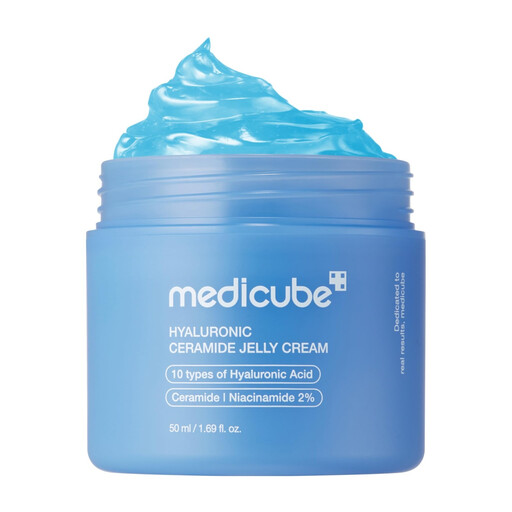
Why it suits this profile: The transparent jelly texture is designed for users who want hydration without a heavy cream feel. The product information lists hyaluronic acid, Ceramide NP, niacinamide, panthenol and squalane.
The lightweight texture helps you avoid buying a rich cream for a situation where a gel cream makes more sense, such as under make-up or sunscreen.
50 ml; gel texture; contains Ceramide NP, hyaluronic acid, panthenol and allantoin.
We have put together a complete, up-to-date list of products that fully meet these strict selection criteria and the applicable European safety regulations.
Apply the cream after cleansing and using any serums. On slightly damp skin, use a small amount and spread it over your face and neck. Follow with sunscreen in the morning. If you have dry skin, a richer cream may feel particularly comfortable in the evening; if you have combination skin, you can apply less product to the T-zone.
If you want to combine a cream for dry skin with active ingredients such as acids or retinoids, do not introduce several new products at once. This makes it easier to assess which product your skin responds well to. A cream is not a substitute for treatment if you have persistent skin concerns.
It can be, but this depends on the complete formula and your personal tolerance. If you are sensitive to them, opt for a product without perfume or essential oils where possible. Test a small amount first and stop using it if irritation occurs.
Yes. Hyaluronic acid cream and ceramides have different roles in a skincare routine: hyaluronic acid is used for hydration, while ceramides are part of a barrier-focused formula. Apply a serum or lightweight lotion first, then finish with the cream.
Follow the expiry information and the symbol showing the period after opening on the packaging. Keep the cream closed, cool and out of direct sunlight. If the smell, colour or texture changes noticeably, stop using the product.
