
Vandaag of morgen in huis

Kwaliteit gegarandeerd

Welkomstaanbiedingen ontgrendelen: GRATIS bezorging | Tot 80% korting | Gratis 30 dagen JoyPlus-proefperiode
Download de app
Dry, tight or sensitive skin does not automatically call for a richer cream. With ceramide skincare, the right choice depends on the combination of texture, ingredients and intended area of use. Ceramides are lipid-like substances that occur naturally in the skin. In cosmetics, they are used in formulas designed to leave the skin feeling comfortable and hydrated.
However, not every product featuring the word “ceramide” is suitable for every routine. Below, you’ll discover which purchasing pitfalls to avoid, which specifications to check and which product types suit different skin needs.
A product may contain ceramides but also include fragrance, alcohol or other ingredients that sensitive skin may not tolerate well. Always check the complete ingredient list. Also consider the product type: a ceramide toner provides a lightweight first layer of hydration, while a rich ceramide cream can offer more occlusion.
Dry skin does not always need a thick balm. If you wear makeup or sunscreen during the day, a lotion or gel cream may be more practical. A rich formula can also feel uncomfortable when your skin is primarily dehydrated rather than genuinely dry.
Terms such as “repairs the skin barrier”, “reduces itching” or “prevents moisture loss” are often based on information provided by the brand. According to a brand’s own research or the product description, a formula may, for example, help support the skin’s moisture balance. This is not a guarantee for every user and does not constitute medical treatment. Discontinue use if redness or irritation occurs, and consult a GP or dermatologist if symptoms persist.
Ceramide NP, AP, AS, NS and EOP are examples of ceramides you may encounter on an ingredient list. The presence of several types alone does not tell you everything about how a product performs. Also look for supporting ingredients such as:
A ceramide moisturiser generally works as part of a broader routine: cleanse, apply a toner or serum if desired, then follow with a cream.
For daytime use, a milky lotion such as Dr.Jart+ CERAMIDIN Skin Barrier Moisturizing Milky Lotion can be a practical option. The product description lists panthenol, ceramide 3 and glycerin, and describes the lotion as suitable for use under makeup.
A gel cream such as medicube Hyaluronic Ceramide Jelly Cream is a good fit if you prefer a lightweight texture. The ingredient list includes glycerin, niacinamide, squalane, ceramide NP and sodium hyaluronate, among others.
For very dry skin, a richer cream or mask may make more sense. Do not automatically use a mask every day: the product description recommends applying its Ceramide Cream Mask once or twice a week.
A face cream is not the same as a ceramide lip product or scalp treatment. The skin on your lips and scalp requires a different product format. Check the following:
If you have sensitive skin, a patch test is advisable. Also check the packaging for the expiry date, batch number and current ingredient list; these may change between production batches.
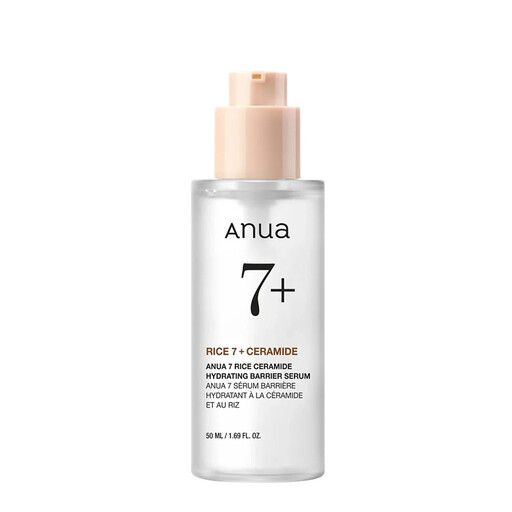
Why it’s a good fit: A serum is an accessible way to introduce ceramides into an existing routine without immediately opting for a rich cream.
The ingredient list includes ceramide NP alongside glycerin, panthenol, betaine and sodium hyaluronate. This allows you to assess the formula on its merits rather than relying solely on marketing language.
50 ml capacity and a recommended application of two to three drops at a time, according to the product information.

Why it’s a good fit: Ideal for shoppers seeking a rich moisturiser for dry skin and who value a comprehensive, barrier-focused ingredient list.
The list includes ceramide NP, NS, AP, AS and EOP, as well as squalane, panthenol, cholesterol and several forms of hyaluronic acid. Make sure the rich texture suits your skin.
80 ml capacity; the product information mentions a patch test and use in the morning and evening.
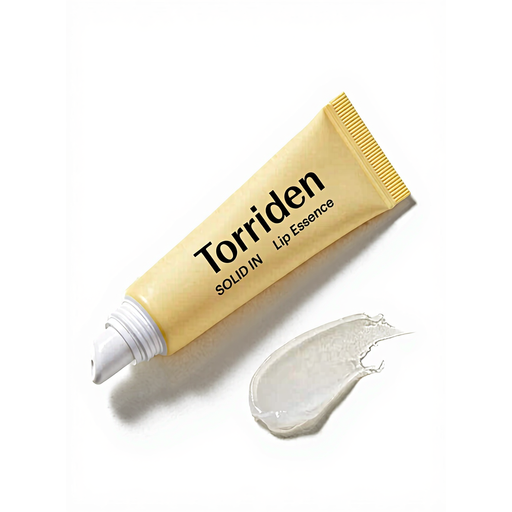
Why it’s a good fit: For dry lips, a dedicated lip product is more practical than a face cream. The balm-to-cream texture is designed for daytime use or as an overnight mask.
You are choosing a formula designed for the right area of use. According to the product description, this essence contains five ceramides and is fragrance-free.
11 ml capacity and nourishing oils such as jojoba, macadamia and olive oil, according to the product information.
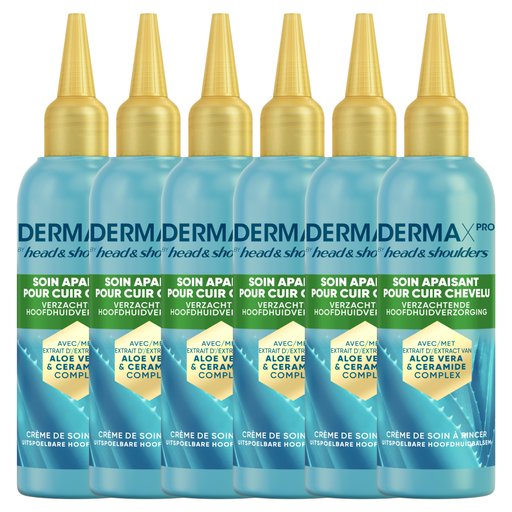
Why it’s a good fit: If you are looking for ceramide-based scalp care rather than facial skincare alone, this rinse-out balm is designed for use after washing.
The directions make clear that the product should be applied and then rinsed out. According to the product description, it is intended for a dry scalp and contains aloe vera, piroctone olamine and a ceramide complex.
Pack of 6 x 145 ml; the balm is designed as a brief, rinse-out care step.
Explore our current range of ceramide products and compare formulas, textures, capacities and intended areas of use before placing your order.
If you want to combine ceramides with Korean skincare, you could use a toner, serum and moisturiser. More steps are not automatically better: choose only products that serve a clear purpose in your routine.
That depends on the product and the instructions on the packaging. Many creams, lotions and serums are intended for daily use according to their product information. If you have sensitive skin, start with one product and a small amount.
Check the expiry date, batch information and the open-jar symbol indicating the period after opening on the packaging. Store the product in a cool, dry place away from direct sunlight, and close the packaging securely. Has the scent, colour or texture changed? It is best not to use the product.
That depends on the number of steps. You can start with a single ceramide moisturiser. A serum or toner is only worthwhile if you want an additional lightweight layer of hydration. For the lips or scalp, you will need a dedicated product, as a face cream is not always suitable for these areas.
