
Vandaag of morgen in huis

Kwaliteit gegarandeerd

Welkomstaanbiedingen ontgrendelen: GRATIS bezorging | Tot 80% korting | Gratis 30 dagen JoyPlus-proefperiode
Download de app
Ceramic tableware suits many UK households: it is available in a wide range of colours, shapes and price points. However, an attractive glaze does not tell you everything about everyday use. A bowl, for example, may be too small for a generous portion of soup, while a beautiful handleless cup can be less comfortable to hold when the contents are hot.
As a Joybuy Product Recommendation Officer, I focus mainly on verifiable features. So don’t just consider appearance; also look at the size, material, care requirements and compatibility with the dishwasher, microwave or oven.
Relief details, metallic accents and a striking sheen quickly catch the eye. However, these finishes may require extra care. Product information may state, for example, that hand washing is recommended to keep a texture or decoration looking its best for longer, even when the tableware is dishwasher-safe.
So check:
A capacity in millilitres or ounces is more important than a general description such as “large mug” or “family bowl”. A 160 ml cup is suitable for smaller portions of tea, while a 480 ml mug is better suited to a large coffee or tea.
With bowls, you should also consider the diameter and height. A flat ceramic pasta bowl works differently from a deep breakfast bowl. Check the dimensions in centimetres and think about how much space a stack will take up.
Dishwasher-safe tableware is convenient, but it does not prevent breakage caused by knocks or sudden changes in temperature. Microwave-safe tableware can also become hot during use. Products made from multiple materials often have different care instructions: ceramic parts may be dishwasher-safe, for example, while bamboo or plastic components need to be cleaned by hand.
Always follow the usage instructions on the product page and avoid moving items quickly from the freezer to a hot oven unless this is expressly permitted.
“Ceramic tableware” is a broad term. Porcelain is generally thinner and has a lighter appearance, while stoneware often feels thicker. Earthenware usually has a more handcrafted look, but the exact properties vary from product to product.
Pay particular attention to:
Some products state that the material is lead- and cadmium-free. Treat this as a product specification provided by the seller; if in doubt, check the latest information and safety documents on the product page.
Use these practical guidelines as a starting point:
A dinnerware set for four people is practical when you want to create a consistent table setting in one go. However, check whether the set includes breakfast plates, bowls and mugs as well as dinner plates.
Look in the product details for separate statements confirming that an item is dishwasher-safe, microwave-safe and oven-safe. These properties are not automatically the same.
A decorative coffee cup and saucer, for example, may be suitable for the dishwasher and microwave but, according to the warning, not for use in the oven. With a matcha set, the ceramic components may be dishwasher-safe, while a bamboo whisk and scoop need to be washed by hand.
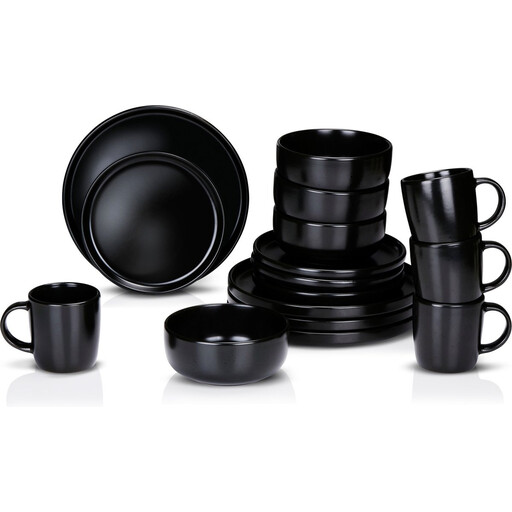
Why it suits this profile: A complete set for four people avoids separate purchases and creates a coordinated table setting straight away.
The contents of the set are clearly listed: four dinner plates, four breakfast plates, four bowls and four mugs. This means you do not have to rely on a generic set image.
Stoneware; suitable for four people; according to the product description, dishwasher- and microwave-safe.
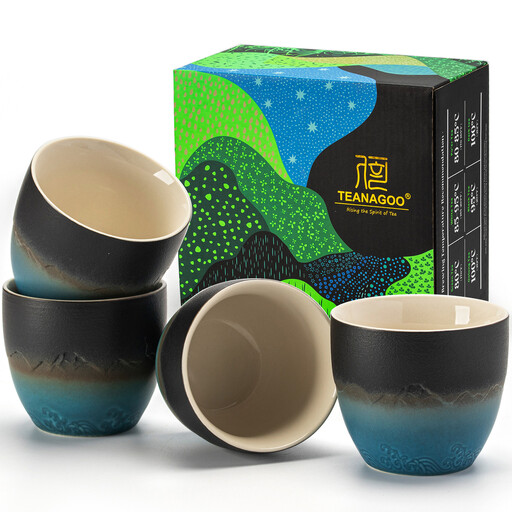
Why it suits this profile: For lovers of Japanese teacups and a relaxed serving style with smaller portions.
The 160 ml capacity is clearly stated, so you will not accidentally expect a large coffee cup. The product description recommends hand washing to preserve the texture on the outside.
Four cups; ceramic with a glazed interior; according to the product information, suitable for microwave and dishwasher use.
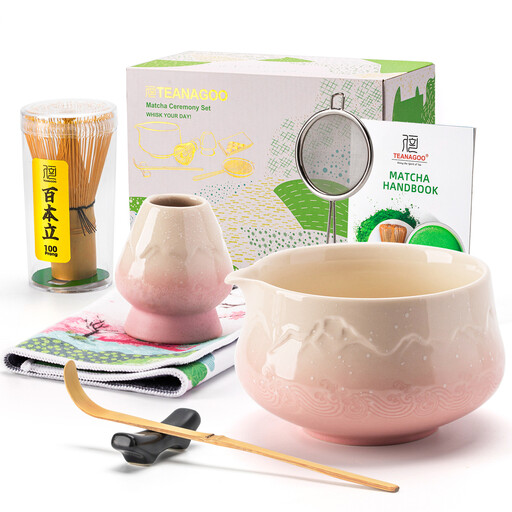
Why it suits this profile: Designed for matcha lovers who want a bowl, whisk, scoop, sifter and holders in one set.
The set specifies the material and care instructions for each component. According to the product description, the ceramic parts can go in the dishwasher; bamboo components must be washed by hand.
Seven components; 560 ml ceramic bowl with pouring spout; bamboo whisk and scoop included.
We have put together a complete, up-to-date list of products that fully meet these strict selection criteria and the applicable European safety regulations.
Ceramic tableware can last a long time when used appropriately. Before use, check tableware for cracks, sharp edges or damaged glaze. Do not use a metal scourer on decorative surfaces and stack heavy plates carefully.
For ceramic bowls, pasta bowls and breakfast bowls, choosing a suitable size helps limit knocks in the cupboard. Ramekins with lids are practical for storage, but check whether the lid is made of plastic and what temperature it is designed to withstand. Do not place plastic lids in a hot oven.
This varies from product to product. Look for an explicit statement that an item is “dishwasher-safe” or “dishwasher safe”. Decorative finishes may benefit from hand washing, even when the manufacturer permits dishwasher use.
Only when the product information states that it can. Also pay attention to metal details and handles, which can become hot during heating. Allow the tableware to cool briefly after use and avoid sudden changes in temperature.
Its lifespan depends on the quality of the material, the glaze and how it is used. Ceramic can break if dropped, knocked or exposed to thermal shock. Careful stacking, gentle cleaning and following the care instructions will help keep your tableware usable for longer.
