
Vandaag of morgen in huis

Kwaliteit gegarandeerd

Welkomstaanbiedingen ontgrendelen: GRATIS bezorging | Tot 80% korting | Gratis 30 dagen JoyPlus-proefperiode
Download de app
Setting a new table sounds simple, until you have to choose between ceramic plates, stoneware, porcelain, individual bowls and a complete dinnerware set. Photos often mainly show colour and shape, while size, care requirements and ease of use are what determine whether your purchase remains practical over time.
So watch out for these three common pitfalls:
Ceramic is a collective term for earthenware, stoneware and porcelain. Its properties depend on the type of clay, firing temperature and finish. A smooth, food-safe glaze is practical for everyday use, as food residue is less likely to stick to the surface.
For products with hand-painted patterns or reactive glazes, it is wise to read the product information carefully. According to the product descriptions of various YumiPLUS and Dafuceramic models, the surface is suitable for contact with food. This is a product specification, not a general guarantee that every ceramic product has the same properties.
Also look out for terms such as lead-free and cadmium-free when these are explicitly stated. According to the product description, the ceramic clay used in the Dafuceramic dinnerware sets is lead- and cadmium-free. Always check the individual product information for other models.
For UK households, microwave-safe tableware and dishwasher-safe tableware are often important buying criteria. These properties are not interchangeable:
According to the product description, some YumiPLUS plates are described as microwave- and dishwasher-safe, but not oven-safe. The Dafuceramic 12-piece set is listed in the specifications as suitable for use in the microwave and dishwasher. In the event of sudden temperature changes, such as moving an item from the fridge to the microwave, always check the safety warnings.
A large dinner plate measuring around 26 to 27 cm provides plenty of room for a main course. A smaller plate of approximately 20 cm is better suited to breakfast, salad, dessert or a light lunch. Pasta plates with a wide rim or deep bowl shape are useful for pasta and soup. Bowls of around 15 cm are suitable for smaller portions, side dishes and snacks.
When choosing a ceramic dinnerware set, also check:
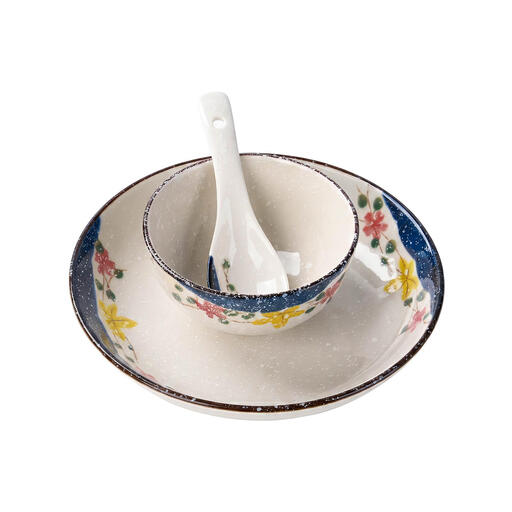
Why it suits this profile: According to the product description, the compact set contains a bowl, plate and spoon. This makes it suitable for a student room, flat or as a first addition to a kitchen.
The contents are clearly specified, so you will not accidentally buy a large set when you only need a few basic pieces. The description states that it is suitable for microwave and dishwasher use; check this again on the product page when it arrives.
3 pieces; Japanese style; suitable for various meals such as ramen, rice, salad and pasta according to the product description.
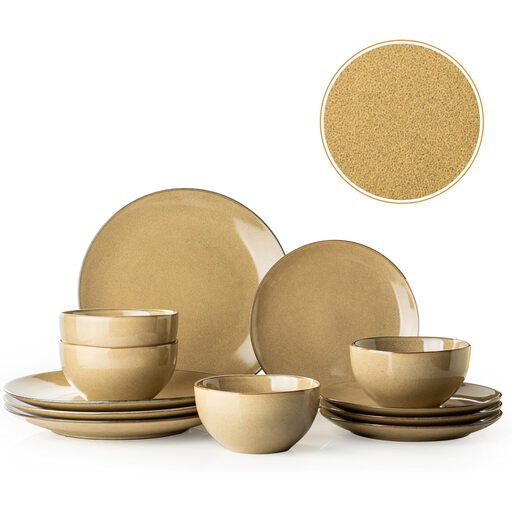
Why it suits this profile: According to the product information, this ceramic dinnerware set is designed for four people, with dinner plates, salad plates and bowls. It is ideal for families and households looking for one complete set.
The set clearly states which items and quantities are included. According to the product description, it is suitable for use in the microwave and dishwasher. Do not use an abrasive sponge and handle the ceramic carefully to avoid hard knocks.
12 pieces for four people; combination of dinner plates, salad plates and bowls; microwave- and dishwasher-safe according to the product description.
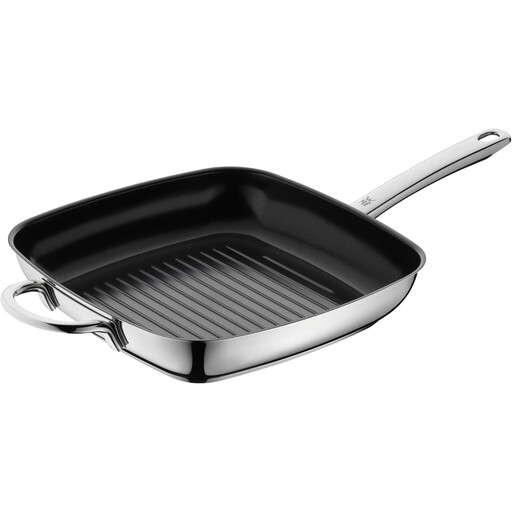
Why it suits this profile: For cooking enthusiasts who want to complement their ceramic tableware with a 28 cm grill pan. The pan is designed for use on all heat sources, including induction.
The usage limitations are clearly stated: the pan is not dishwasher-safe and must be cleaned by hand. This makes it clear in advance that it requires more care than dishwasher-safe tableware.
Size 28 × 28 cm; ceramic non-stick coating according to the product information; suitable for induction and other heat sources; handle and wide pouring rim.
We have put together a complete, up-to-date list of products that fully meet these strict selection criteria and the applicable European safety regulations.
Ceramic can crack or chip as a result of hard knocks and rapid temperature changes. Do not place a hot plate directly on a cold, wet surface. For decorative glazes, it is best to use a soft sponge and avoid wire wool, harsh cleaning products and metal cutlery when the product description advises against them.
Check plates and bowls regularly for cracks, sharp edges or flaking glaze. It is best to stop using damaged items. With irregularly shaped ceramic dishes, take extra care when stacking them to avoid putting pressure on the rims.
This varies from one product to another. Only use a plate or bowl in the microwave when this is explicitly stated in the product information. Also look out for metal rims or decorations and avoid sudden temperature changes.
Its service life depends on the firing quality, glaze, dishwasher use, knocks and temperature differences. Check the items regularly and follow the care instructions. An individual set can be useful if you only want to replace one plate later.
A set can be practical when you want to serve several people at the same time. Individual ceramic plates are more flexible if you only want to add dinner plates, side plates, pasta plates or bowls. So do not compare the price alone; also consider the number of pieces, dimensions and stated usage properties.
