
Vandaag of morgen in huis

Kwaliteit gegarandeerd

Welkomstaanbiedingen ontgrendelen: GRATIS bezorging | Tot 80% korting | Gratis 30 dagen JoyPlus-proefperiode
Download de app
Ceramic kitchen and home accessories combine everyday practicality with a calm, understated look. But a beautiful photo tells you little about whether a product will suit daily use. A bowl, for example, might be too small for a meal, a mug might feel awkwardly large, or a decorative vase might be unstable.
If you’re looking to buy ceramic tableware, it’s worth considering more than just the colour or shape. Pay particular attention to the dimensions, material, care instructions and what’s included in a set.
Product names sometimes use words such as “vintage”, “premium” or “high-quality” without giving specific details about size, capacity or use. These descriptions alone don’t guarantee that a product is the right choice. Instead, look for measurable details, such as a diameter of 15 cm, a capacity of 300 ml or a set of six.
A product may be dishwasher-safe but not suitable for the oven, microwave or freezer. With a set that includes lids, only the ceramic part may be heat-resistant. Check the instructions for each item. According to the product description, Dafuceramic’s ceramic ramekins are suitable for the oven, microwave, dishwasher and freezer; the plastic lids have a separate temperature limit.
A small pestle and mortar is handy for a few herbs, but less suited to making larger quantities of pesto. A 23 cm serving bowl has room for fruit, bread or salad, while a 15 cm bowl is better suited to a side dish or individual portion. Measure the space in your kitchen cupboard, on your table or on your shelf beforehand.
“Ceramic” is a broad umbrella term. Earthenware often has a decorative look, while stoneware generally feels heavier. Porcelain usually has a smooth, refined finish. Whether a product is suitable for everyday use depends not only on its material, but also on its glaze, wall thickness and the manufacturer’s instructions.
When choosing ceramic bowls, ceramic plates and ceramic mugs, look out for:
A product should suit the amount you want to serve and the storage space you have available. Stackable ceramic plates and bowls take up less cupboard space. For ceramic vases, the proportions between the height, diameter and base are important. A tall vase should stand on a flat, stable surface, especially in a home with children or pets.
Ceramics can break or crack if dropped or exposed to a sudden change in temperature. Don’t put a cold dish straight into a very hot oven unless the product information says it’s safe to do so. Use oven gloves when handling hot oven dishes, and check your tableware regularly for damage.
A dishwasher-safe tableware label makes everyday care easier. However, decorative details such as gold-coloured edges or raised patterns may need extra care. The YumiPLUS flower cup with saucer is listed as dishwasher-safe, but hand-washing is recommended to keep its decorative finish looking its best for longer.
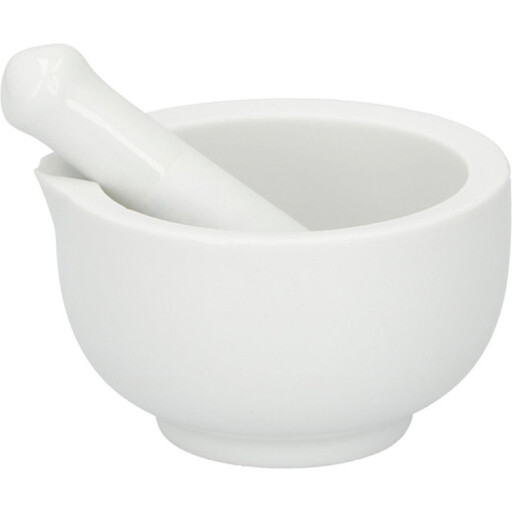
Why it suits this profile: This compact mortar and pestle is ideal if you’re just getting started with small amounts of herbs and spices. At 8 cm, it takes up very little worktop space.
The diameter and 0.20-litre capacity are clearly stated, so you can match the size to small portions rather than relying on vague marketing claims.
Ceramic, white design, supplied as a mortar and pestle; listed as dishwasher-safe in the product description.
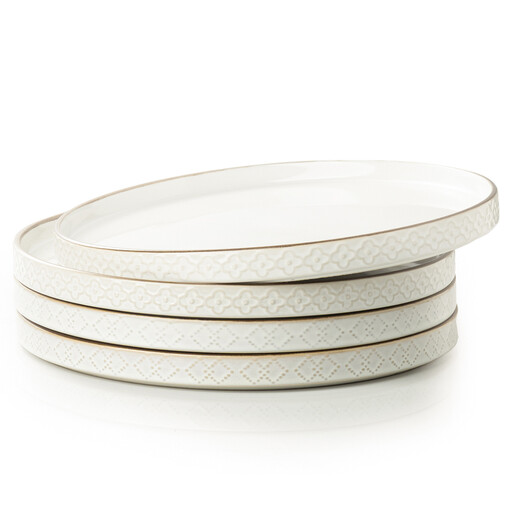
Why it suits this profile: A great choice if you’re looking for a matching set for everyday meals, dinner parties or a larger dining table. The set includes four deep dinner plates with a raised pattern.
The 10.25-inch diameter and set contents are clearly stated. The product information also confirms that the plates are suitable for the dishwasher and microwave.
Set of four with a stackable design and a glazed finish with a raised pattern, according to the product description.
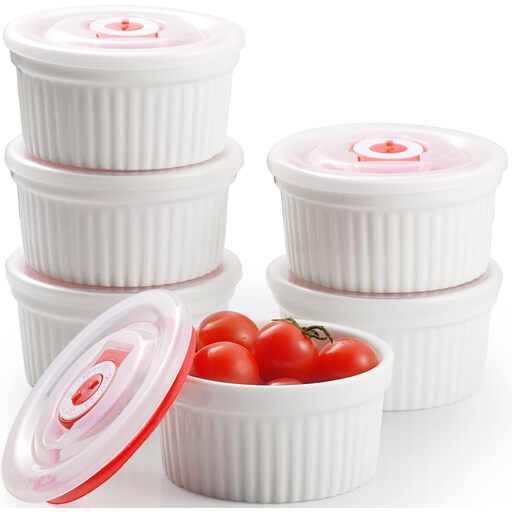
Why it suits this profile: A practical choice for keen bakers and home cooks who make individual desserts, dips, quiches or meals to prepare ahead.
The set lists separately what the ceramic dishes and plastic lids can withstand. The lids are not suitable for oven use.
Six 8 oz ramekins with six lids; listed as suitable for the oven, microwave, dishwasher and freezer in the product description.

Why it suits this profile: Its compact size makes this vase a good fit for a desk, shelf or coffee table. Style it with a single branch or dried flower, or use it as a decorative piece on its own.
The dimensions and tabletop design help you avoid buying a tall vase for a small, busy space.
Ceramic, with a beige matte finish; suitable for fresh flowers, dried flowers or display on its own, according to the product description.
We’ve put together a complete, up-to-date list of products that meet these strict selection criteria and current European safety regulations.
For a compact kitchen, you can pair ceramic bowls with a small mortar and pestle and a few ceramic mugs. If you enjoy having guests over, consider ceramic serving bowls, deep plates and small dishes for sauces. Ceramic teacups are ideal for tea, while a 480 ml mug may be more practical for larger drinks.
Ceramic vases make lovely accents on open shelves. Think about colour combinations: white and beige work easily in a calm, understated interior, while green or pearl grey adds more contrast.
It depends on the product. Look for an explicit dishwasher-safe statement in the product information. For sets with lids, check whether accessories need to be washed separately.
Avoid hard knocks and sudden changes in temperature. Don’t put a cold ceramic item into a hot oven without checking the instructions, and use oven gloves when handling hot dishes. Replace an item as soon as you notice a crack or sharp chip.
A bowl of around 15 cm is often suitable for a side dish, breakfast or a small portion. A model measuring around 22 to 23 cm offers more room for salad, fruit or bread. As well as the diameter, check the height and capacity, as two bowls with the same diameter can still have very different depths.
