
Vandaag of morgen in huis

Kwaliteit gegarandeerd

Welkomstaanbiedingen ontgrendelen: GRATIS bezorging | Tot 80% korting | Gratis 30 dagen JoyPlus-proefperiode
Download de app
Ceramic home accessories and dinnerware can quickly bring a sense of cohesion to a table, kitchen or living room. Yet a pretty picture isn’t enough to judge a good purchase. A vase might be narrower than expected, a ceramic cooking pot may not be suitable for your hob, and a piece of dinnerware might not be microwave or dishwasher safe.
In this guide, you’ll learn what to look for when choosing ceramic vases, bowls, plates, cups, tea sets and cooking pots. This way, you can compare products based on verifiable features rather than just colour or style.
A decorative vase may be suitable for dried flowers, but not automatically watertight. Some product descriptions therefore state that you should check water resistance before adding fresh flowers. Also look at the height, opening diameter and stability. A vase for dried flowers often has a narrower opening than one designed for a large bouquet.
A ceramic cooking pot is different from a ceramic bowl or coffee cup. Always check the permitted heat source and maximum temperature. The COOKER KING 1.5-litre pot is described as suitable for gas and open-flame hobs, not for induction. So don’t use a Japanese ceramic cooking pot like this on an induction hob.
Also be mindful of temperature changes. Ceramics can crack when a cold pot is placed directly on a very hot heat source, or when a hot dish is set down on a cold surface.
Not every ceramic plate or coffee cup can go in the dishwasher or microwave without risk. Check the product information and any symbols on the underside. With decorative glazes, embossed details or gold-coloured rims, hand washing may be the safer choice, even if the product is described as dishwasher safe.
Ceramics are fired at high temperatures, but the properties vary from product to product. Look out for:
According to the product description, the Dafuceramic bowls are made from food-safe ceramic and are suitable for the dishwasher, microwave and conventional oven. Always check the current instructions on the product page and on the item itself before use.
Dimensions determine how a product fits in your cupboard, on your table or on your hob. A 21.6 cm ceramic bowl is suitable for pasta, salad, soup or breakfast, but takes up more space than a small bowl. A set of deep ceramic dinner plates at 10.25 inches offers extra room for main courses, while a 300 ml ceramic coffee cup is suitable for coffee, tea or milk.
With cooking pots, capacity is at least as important as the outer diameter. A 1.5-litre pot suits smaller portions, porridge, soup or stews. A 4.5-litre model makes more sense when you’re cooking for several people. Also check whether a lid is included and what material it’s made from.
Before you buy, run through a quick checklist:
With products that have limited information, it’s wise not to assume any features. A ceramic tea set may look heat-resistant, but without clear product specifications, cautious use is recommended.
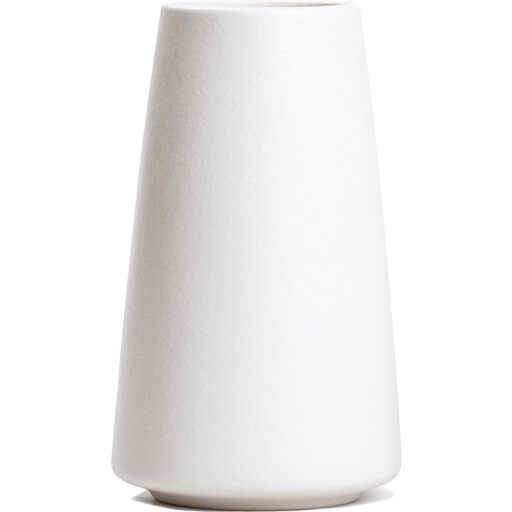
Why this fits the profile: The compact white vase fits on a windowsill, desk, shelf or small dining table. Its neutral shape works easily with different home styles.
The dimensions are clearly stated, so you can check in advance whether the vase fits your chosen spot. For fresh flowers, you should check water suitability according to the product information.
White porcelain, matte finish and a size of approximately 15 cm. Suitable for decoration, single stems and dried flowers.
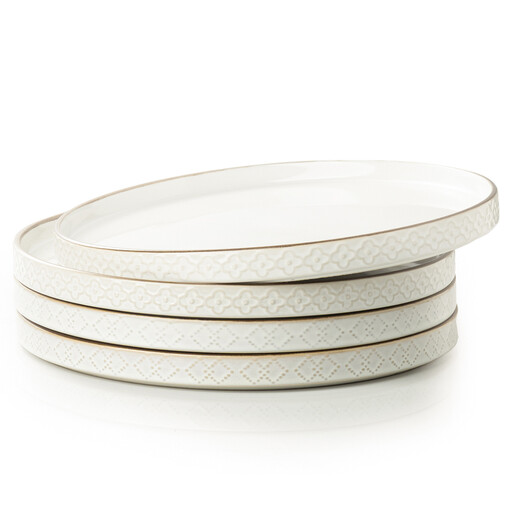
Why this fits the profile: This set is designed for households that want one dinner service for everyday meals and entertaining.
The product description states the diameter, stackability and suitability for microwave, oven, fridge, freezer and dishwasher. Check the instructions on the plate before first use.
Four 10.25-inch plates, with embossed detailing in the ceramic and, according to the product information, suitable for multiple kitchen appliances.
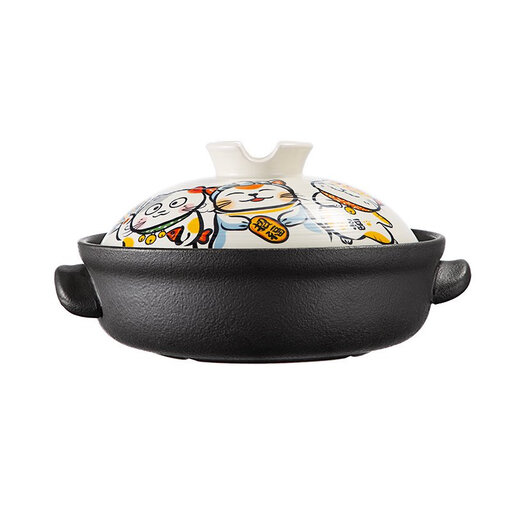
Why this fits the profile: The pot is aimed at smaller portions of soup, porridge and stews for users who consciously cook on gas or open flame.
The product description explicitly states: gas and open flame yes, induction no. It also recommends using a medium-low heat and avoiding sudden temperature changes.
1.5-litre capacity, ceramic walls and a wooden lid. Maximum heat resistance is stated in the product description as 200 °C.
We’ve put together a full, up-to-date list of products that fully meet these strict selection criteria and comply with current European safety regulations.
For a calm Japanese home style, matte tones, low forms and natural materials work well together. Combine, for example, a small ceramic vase with dried flowers and a simple ceramic tea set. In a country-style kitchen, terracotta, relief detailing and warm neutral colours fit nicely. White dinnerware, on the other hand, easily complements a modern interior and makes dishes stand out more.
When combining pieces, pay attention to scale. A tall vase needs space on a sideboard or floor shelf, while a small Zen vase suits a desk or coffee table better. Don’t just use the same colour; repeat one material, shape or finish instead.
That depends on the product. Check the product description and any marking on the underside. Avoid products with metal details in the microwave and don’t use dinnerware with cracks or damage.
Use lukewarm water, mild washing-up liquid and a soft cloth or sponge. With matte finishes, relief detailing and decorative glazes, abrasive products are not recommended. Always follow the manufacturer’s instructions for dishwasher use.
The lifespan depends on the quality of the material, the glaze layer and how it’s used. Knocks, large temperature differences and incorrect stacking can cause chips or cracks. Check dinnerware before use and take a damaged ceramic coffee cup or bowl out of use.
