
Vandaag of morgen in huis

Kwaliteit gegarandeerd

Welkomstaanbiedingen ontgrendelen: GRATIS bezorging | Tot 80% korting | Gratis 30 dagen JoyPlus-proefperiode
Download de app
Ceramic home accessories and dinnerware can quickly bring more cohesion to an interior. A ceramic vase on a shelf, ceramic bowls on the table or a set of teacups can be both decorative and practical. Yet a beautiful product photo tells you little about size, care and suitability for daily use.
If you only focus on colour or style, you often run into three pitfalls:
With the right checks in advance, you can avoid a bad purchase and choose ceramics that suit your home, cooking habits and budget.
Ceramic, porcelain and earthenware look similar but don’t always have the same properties. Porcelain generally has a fine structure and is often used for dinnerware. Ceramic can be thicker and more robust, which is handy for bowls, plates and casserole pots. The finish is equally important:
With dinnerware, look for the food-safe label, but also check the manufacturer’s specific usage instructions. A decorative vase isn’t automatically suitable for water. For example, the 20.5 cm vase for pampas grass states that you should check its watertightness if you want to use it with fresh flowers.
A ceramic vase of 9.7 cm is suitable for a single flower, small bouquet or dried botanicals. For pampas grass or long branches, you’ll need more height. So measure the spot where the product will go and consider stability.
For dinnerware, these measurements are practical to compare in advance:
A set of four or six pieces is practical for a household or dinner parties, but also requires more storage space. Stackability can be a useful specification here.
“Heat-resistant” doesn’t mean a product can be used on every heat source. Pay attention to the difference between:
The COOKER KING ceramic casserole pot of 1.5 litres is listed in the product description for gas and open-flame hobs, with a maximum heat resistance of 200 °C. According to the same information, the pot is not suitable for induction. That’s an important difference from a pan for a modern induction hob.

Why this fits the profile: The compact ceramic vase is suitable for a desk, windowsill, shelf or small coffee table. The beige matt look complements minimalist and Japanese interior styles.
The size of approximately 9.7 cm is clearly stated. This means you can judge in advance whether the vase is suitable for a single stem, dried flowers or a small arrangement.
Compact size, ceramic material and matt beige finish. According to the product description, suitable for fresh flowers, dried flowers or use as a standalone decorative piece.
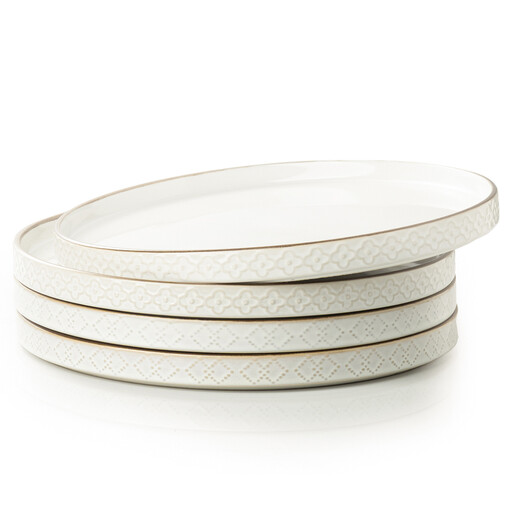
Why this fits the profile: This set suits households that want to combine modern dinnerware with a rustic or bohemian look, alongside everyday convenience.
The set size, diameter of 10.25 inches and suitability for microwave, oven, fridge, freezer and dishwasher are all mentioned in the product description.
Four stackable ceramic plates with a relief pattern and a glossy glaze. Always check the guidelines on the underside before use.
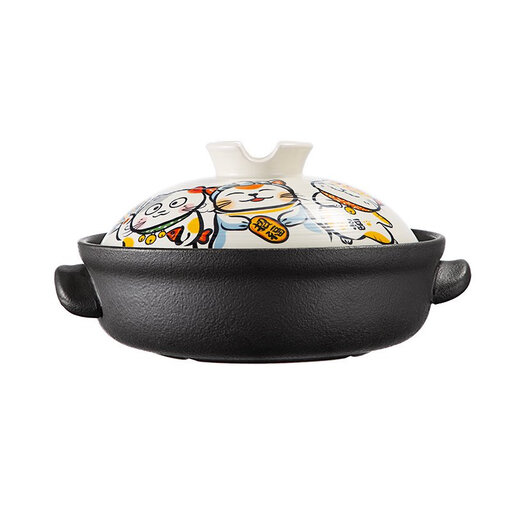
Why this fits the profile: This ceramic casserole pot is designed for small portions of soup, porridge and stews for users with a gas hob or open-flame cooking option.
The limitation is clearly stated: not suitable for induction. Medium-low heat and avoiding sudden temperature changes are also specified.
Capacity of 1.5 litres, thick ceramic walls and a wooden lid. According to the product description, the pot is heat-resistant up to 200 °C.
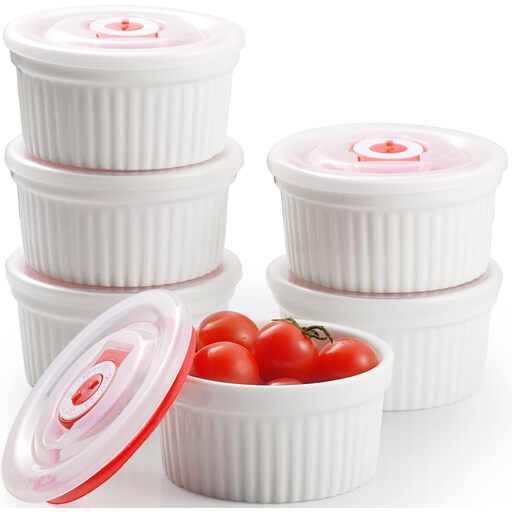
Why this fits the profile: Handy for individual desserts, crème brûlée, dips, quiches and pre-prepared portions. The set also works well as a gift for someone who loves baking.
The product description distinguishes between the ceramic dishes and the plastic lids. The dishes are intended for oven, microwave, dishwasher and freezer; the lids have a separate temperature limit.
Six porcelain ramekins of 8 oz with six lids and a date indicator. According to the product description, the lids are suitable for microwave use up to 120 °C.
We’ve put together a full, up-to-date list of products that fully meet these strict selection criteria and comply with current European safety regulations.
For a modern home, white, beige or matt black vases work well alongside wood, glass and metal. A Japanese ceramic vase with a simple shape suits a calm interior. In a rustic or bohemian space, you can choose terracotta, relief patterns or a handmade look.
Don’t match everything in the same colour. A neutral decorative vase can actually stand out more next to plain dinnerware. For a gift for the home and kitchen, a coffee or tea set, a characterful ceramic mug or ramekins with lids are practical choices. When buying a tea set, always check whether you’ll receive a glass teapot, cups and any saucers together; product titles can indicate different combinations.
That varies by product. Some ceramic plates and bowls are explicitly listed as dishwasher-safe. Also check the care instructions, especially for hand-painted details, relief patterns or a matt finish. Don’t use a scouring pad if the manufacturer advises against it.
Avoid sudden temperature changes, don’t place a hot pot directly on a cold surface, and use the heat source stated in the product information. A pot designed only for gas and open flame should not be used on induction.
The lifespan depends on the material, glaze, use and handling. Stack dinnerware carefully, lift vases with both hands and check regularly for cracks or chips. It’s best not to use damaged dinnerware for food, especially if the glaze layer has been compromised.
