
Vandaag of morgen in huis

Kwaliteit gegarandeerd

Welkomstaanbiedingen ontgrendelen: GRATIS bezorging | Tot 80% korting | Gratis 30 dagen JoyPlus-proefperiode
Download de app
Picking out a new hob seems simple, until you get tangled in a web of technical specifications and marketing promises. As a result, many people make costly mistakes. As a Joybuy Product Recommendation Officer, I see where things go wrong every day. Before you make a decision, it's crucial to understand three common pitfalls that can lead to unnecessary expenses or disappointment.
To make the right choice, it's wise to check a few technical specifications. This will save you headaches and ensure your purchase fits your kitchen and cooking style.
This is the most important technical check. Most ceramic hobs with four burners have a high power output (above 3,700 Watts) and require a 2-phase connection. This means you need a special Perilex socket in your kitchen.
Think about how you cook. A 4-burner built-in hob is the standard for most families. If you live in a small space, a studio, or are looking for a solution for a camper van, a 2-burner model is often sufficient. Some more advanced models offer flexible cooking zones:
Modern ceramic hobs are equipped with useful safety features. A residual heat indicator shows which zones are still hot, and a child lock prevents settings from being changed accidentally.
Although you can use almost any flat-bottomed pan on a ceramic hob, combining it with the right pans is essential for a pleasant and healthy cooking experience. A good PFAS-free induction pan set is often also perfect for ceramic cooking. These pans have a strong, flat base for optimal heat transfer and a healthy non-stick coating.
Based on objective specifications, we have selected a number of products that suit different needs and situations.

Why This Fits Their Persona: Perfect for a compact kitchen, student flat, or camper van. This 2-burner hob is powerful enough for daily meals but has a small footprint.
With a total power of 3000W and a standard plug, this is a 'plug-and-play' model. You avoid the pitfall of a complex 2-phase installation.
Compact size (29 cm wide) yet equipped with modern features like touch control, a timer, and a child lock.
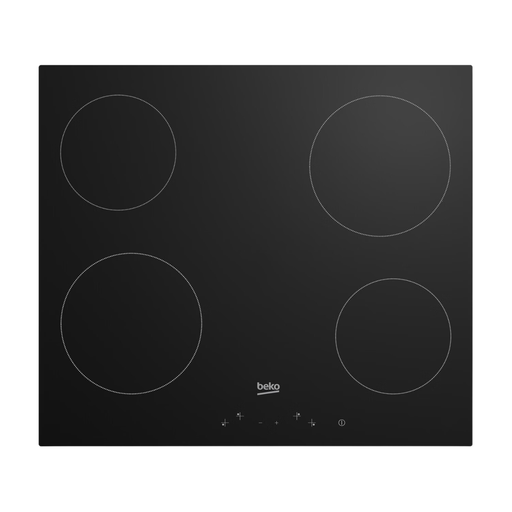
Why This Fits Their Persona: A reliable and straightforward 4-burner hob that does what it's supposed to do. Ideal for daily use in a family kitchen where safety and ease of use are top priorities.
The specifications are clear: this is a 6000W hob that requires a 2-phase connection. No surprises, you know exactly what you need for the installation.
Offers all essential safety features, like a residual heat indicator per zone and a child lock, at an accessible price point.
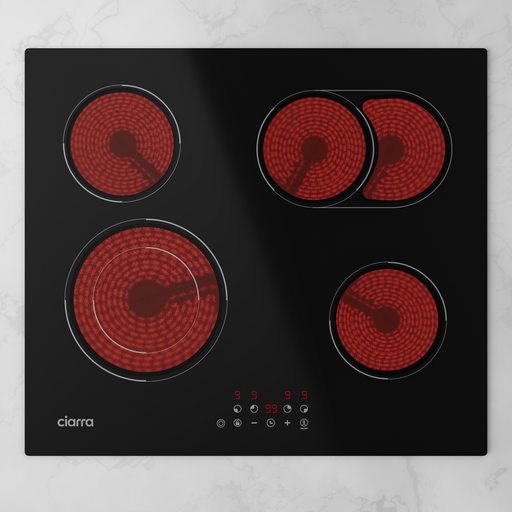
Why This Fits Their Persona: For those who love to experiment with different cookware. The oval and dual-ring zones offer the freedom to efficiently use both large roasting pans and small saucepans.
This hob is clearly positioned as a high-power model (6600W). This helps you set the right expectations regarding the required electrical installation.
The flexible cooking zones (oval and dual-ring) make this hob more versatile than standard models, giving you more freedom in the kitchen.
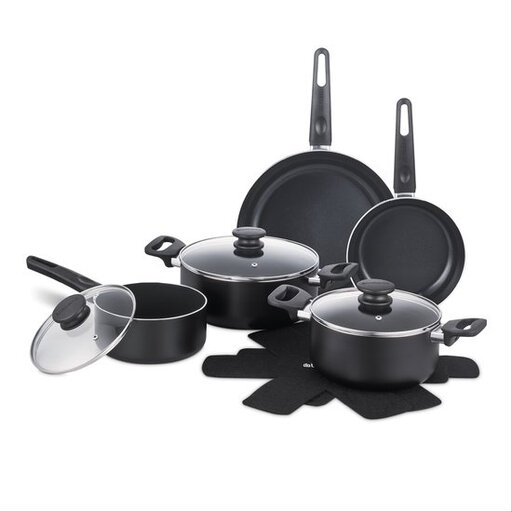
Why This Fits Their Persona: This complete starter pan set is ideal for anyone wanting to establish a healthy foundation in their kitchen right away. The set includes the most commonly used sizes and is designed for everyday convenience.
This set cuts through vague marketing claims. Brabantia clearly specifies that the ceramic non-stick coating is 100% PFAS-free, providing peace of mind.
Made from forged aluminium for fast, even heat distribution. Suitable for all heat sources, including induction, making it a sustainable choice for the future.
We have compiled a complete, up-to-date list of products that fully meet these strict selection criteria and Dutch safety regulations.
The main difference lies in the heating method. A ceramic hob uses heating coils under the glass plate to heat the cooking zone. This zone glows red and transfers heat to the pan. An induction hob creates a magnetic field that directly heats the pan itself, while the hob surface remains relatively cool. This makes induction faster, more energy-efficient, and safer. In contrast, ceramic is often cheaper to buy and works with virtually all flat-bottomed pans.
A major advantage of ceramic cooking is that you can use most pans, as long as the bottom is flat for good contact with the glass plate. This applies to pans made of stainless steel, cast iron, and aluminium. For the best cooking experience, especially with dishes that tend to stick, a good ceramic frying pan or a complete PFAS-free induction pan set is an excellent choice. These often have a healthy non-stick coating and a sturdy base that distributes heat evenly.
The smooth surface of a ceramic hob is relatively easy to clean. First, let the hob cool down completely (the residual heat indicator will show when it's safe). Remove loose debris with a cloth. For burnt-on residue, you can use a special hob scraper and a cleaning agent for ceramic surfaces. Never use abrasive sponges or harsh cleaning agents, as they can scratch the glass.
