What factors determine your choice?
When you want occasional extra heat in a small room, the space available, how long you want to use the heater for and which setting you use all play a part.
| What to consider |
What should you check? |
Who is this important for? |
| Quick extra heat |
Compare the heat settings and controls of the exact model. A higher power rating uses more electricity while the heating element is actually on. |
I only want to warm up a chilly room while I’m in it for a short time, not heat the whole flat. Around 33% of consumers prioritise quick extra heat. |
| Safe positioning |
Check the clearances, the surface it will stand on and the model’s connection instructions. The Fire Service advises plugging an electric heater directly into a socket, not into an extension block or cable reel. |
I need to find a stable spot where the heater and its cable are clear of furniture and other belongings. Around 27% of consumers give safe positioning top priority. |
| Energy use |
Calculate energy use using the power in kW and the number of hours the heating element is actually on; then apply your own price per kWh. |
I want to know what using it during my usual heating hours will mean for my electricity bill. Around 20% of consumers prioritise energy use over other factors. |
| Noise while in use |
Check the stated noise level for the setting you want to use. Manufacturers’ figures for different models are not automatically comparable. |
I want to be able to work or relax in the same room without being bothered by fan noise. Around 20% of consumers say quiet operation is most important. |
Ceramic heaters at Joybuy
These products are ceramic heaters designed to provide extra warmth in a small room, with a range of power ratings and controls. CE marking is compulsory for mains-powered electrical appliances covered by the Low Voltage Directive; the NVWA describes its scope as nominal AC voltages from 50 to 1000 V. Check the marking on the specific version on offer.
 No image available
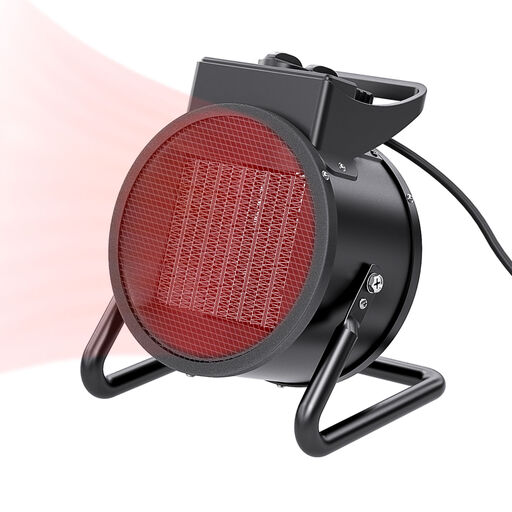
LZQ Electric Heater Ceramic Fan Heater, 2 kW, 3 settings
This may suit you if you’re looking for a ceramic fan heater with adjustable settings to provide extra warmth.
The product name lists a thermostat, a PTC heating element, three settings and 2 kW.
View at Joybuy
 No image available
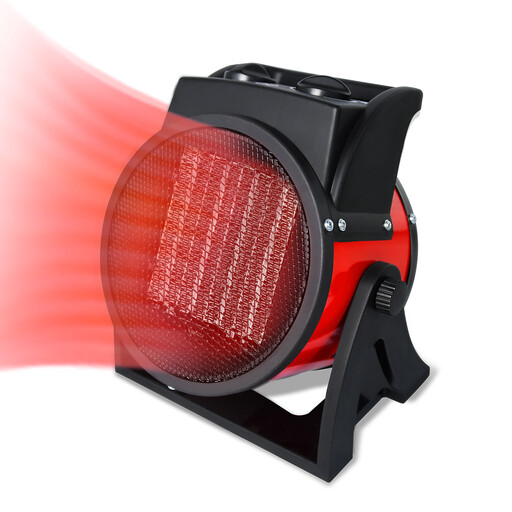
LZQ Construction Heater Ceramic, 2 kW, 3 heat settings
This may suit you if you’re looking for a ceramic heater with adjustable heat and the stated applications match your needs.
The product name lists a thermostat, a PTC heating element, three heat settings and 2 kW.
View at Joybuy
 No image available
Philips 2000 Series Compact Ceramic Heater CX2120/01, 1500 W
This may suit you if you’re looking for a compact ceramic heater and can follow the positioning instructions in the product description.
The product name lists 1500 W and three settings. According to the product instructions, keep it at least 1 m away from flammable materials and place it on a stable surface.
View at Joybuy
 No image available
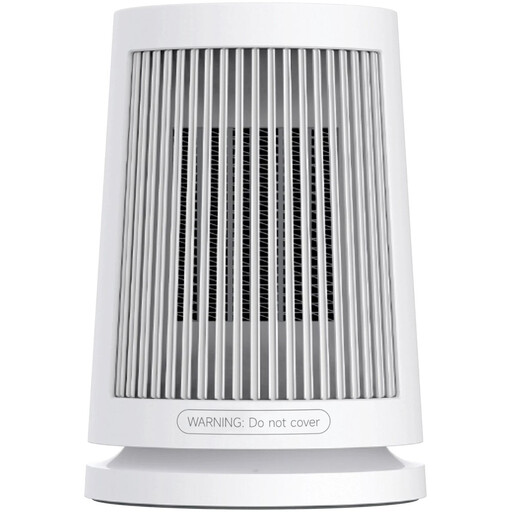
Xiaomi Desktop Heater, 600 W, PTC ceramic
This may suit you if you’re looking for a compact ceramic heater with a thermostat to provide extra warmth.
The product name lists 600 W, 45° oscillation, an adjustable thermostat, and tip-over and overheat protection. Position the appliance on a flat, stable surface and away from water, as instructed.
View at Joybuy
 No image available
OmniHeat Ceramic Fan Heater, 1800 W, 4 heat settings
This may suit you if you’re looking for a ceramic fan heater with remote control and adjustable heat.
The product name lists 1800 W, a 24-hour timer, a thermostat, oscillation, and tip-over and overheat protection. The product instructions require a stable, flat surface and a distance of at least 1 m from flammable materials.
View at Joybuy
Frequently asked questions
Can a ceramic heater warm my entire flat all the time?
Don’t assume that a portable electric heater is suitable as your primary heating source. Milieu Centraal does not recommend a standard electric heater as a general replacement for gas heating; the manuals for the Eurom Safe-t-Heater 1500 and Duux Threesixty² limit use to well-insulated rooms or occasional heating.
How can I connect and position a portable heater safely?
Where possible, plug an electric heater directly into a socket, not into a cable reel or extension block. The Fire Service gives this advice for high-power appliances; also follow the exact model’s instructions on the surface it should stand on, clearances and connection.
How do I calculate the energy use for one session?
Multiply the power used while the heater is actually heating, in kW, by the number of hours it is in use, then multiply that by your own electricity price per kWh. If a 1500 W heater runs continuously for one hour, the calculated consumption is 1.5 kWh; if a thermostat switches it off in between, the actual consumption will differ.
What are my rights if a heater I bought online disappoints or breaks down too soon?
For an online consumer purchase, you generally have up to 14 days from delivery to change your mind, subject to applicable exceptions. ACM ConsuWijzer also explains the statutory guarantee: if a product does not meet what you could reasonably expect under normal use, the seller is responsible for providing an appropriate solution.
Which Dutch product requirement should I check for a new mains-powered heater?
CE marking is compulsory for electrical equipment within the scope of the Low Voltage Directive, with a nominal AC voltage of 50 to 1000 V. The NVWA explains this legal product requirement; the marking does not replace checking the positioning instructions or whether the heater is suitable for your room.


