
Vandaag of morgen in huis

Kwaliteit gegarandeerd

Welkomstaanbiedingen ontgrendelen: GRATIS bezorging | Tot 80% korting | Gratis 30 dagen JoyPlus-proefperiode
Download de app
By Joybuy Product Recommendation Officer, July 28, 2026
Turning down the thermostat is common advice, but a cold office or bedroom is no fun either. An electric heater for supplemental heating is a logical next step. The ceramic heater is a popular choice: it heats up quickly and provides a constant, pleasant warmth. But the market is flooded with models that promise the world. Before you make a choice, it's wise to know where the pitfalls lie.
Many buyers fall for marketing claims that offer little in practice. This leads to a heater that makes too much noise, is unsafe, or unexpectedly drives up the energy bill. Let's look at the most common mistakes.
To avoid a bad purchase, it's important to look beyond the marketing. Pay attention to the following objective specifications to find a model that fits your needs.
The power, expressed in watts, determines how quickly and powerfully a heater can warm up a room. A higher wattage means faster heating, but also higher consumption. The real savings come from the controls. An electric heater with a thermostat is essential here. This feature ensures the heater automatically shuts off when the desired temperature is reached and turns back on when it cools down. This way, it only uses power when necessary, making it more energy-efficient in practice.
No one wants a disruptive hum in the background. A quiet electric heater is essential for spaces where you want peace, like a bedroom or an office. The noise level is expressed in decibels (dB).
A safe electric heater is not a luxury, but a necessity. Always check if a model is equipped with the following two features:
Additionally, look for the CE marking, which indicates that the product complies with European safety standards.
Not everyone has the same needs. Below are some recommendations, linked to specific user profiles.
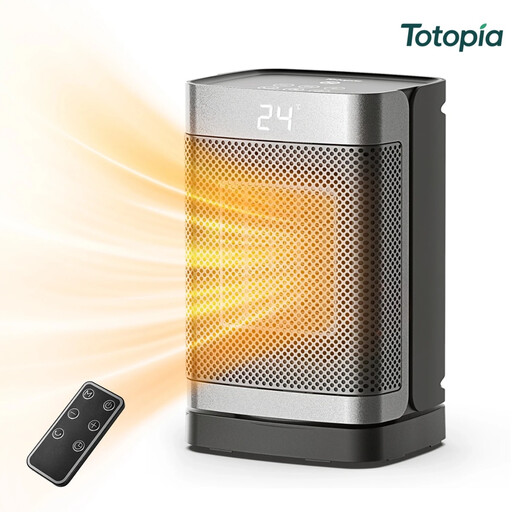
Why This Fits Their Persona: Ideal for those seeking a functional, compact heater for a dorm room or small workspace. It delivers quick heat without a major investment.
This model doesn't skimp on safety. It is equipped with both tip-over and overheat protection, features often missing from the cheapest models.
Compact size and instant heat. The two heat settings and adjustable thermostat provide the necessary control for basic use.
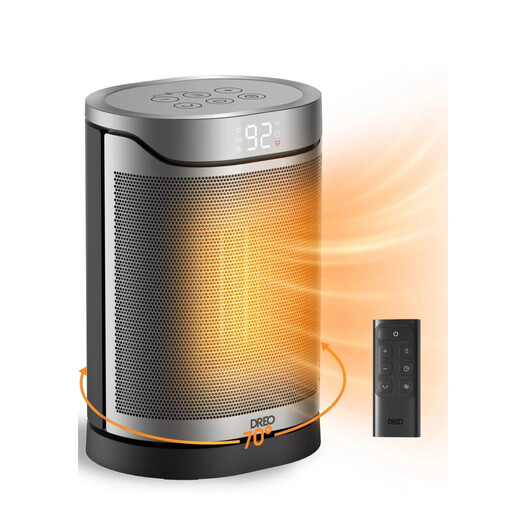
Why This Fits Their Persona: This heater is a popular choice for those who value silence. It's designed for low noise output, making it suitable for a bedroom, nursery, or an office where concentration is required.
It tackles the noise problem head-on. According to the manufacturer DREO, the noise level is between 25-42 dB, which is significantly quieter than many standard fan heaters.
Very quiet in operation and a precise thermostat (adjustable from 5-35°C) for a constant temperature. The manufacturer claims an 8-layer safety system.

Why This Fits Their Persona: For those who want to precisely tailor their heating to their daily routine. With a remote control, timer, and various modes, you have full control from the sofa or your bed.
The ECO mode smartly addresses the "energy-efficient" claim. This mode automatically adjusts the power based on the room temperature, helping to prevent unnecessary power consumption.
Four modes (including fan-only), a 12-hour timer, and a remote control offer maximum convenience and flexibility.
We have compiled a complete, up-to-date list of products that fully meet these strict selection criteria and European safety standards.
Consumption depends on the power rating (wattage) and how long the heater is on. A 1500-watt model uses 1.5 kilowatt-hours (kWh) per hour at full power. You can calculate the cost by multiplying this by your electricity rate. In practice, a heater with a good thermostat and ECO mode will consume less because it doesn't run at full power constantly.
Yes, provided you choose a model with the right safety features. Make sure the heater has both tip-over protection and overheat protection. Always place the heater on a flat, stable surface and keep it clear of bedding, curtains, and other flammable materials. Never cover the heater.
Both use a fan to circulate warm air. The difference lies in the heating element. A ceramic heater uses a ceramic plate (PTC element) that heats up quickly and retains heat more evenly and for longer. This often results in a more constant and pleasant heat output than the metal coils in a traditional fan heater.
