
Vandaag of morgen in huis

Kwaliteit gegarandeerd

Welkomstaanbiedingen ontgrendelen: GRATIS bezorging | Tot 80% korting | Gratis 30 dagen JoyPlus-proefperiode
Download de app
A ceramic frying pan may seem straightforward to choose on paper. However, small differences in the coating, base, size and care requirements can determine whether the pan performs well or starts cooking less effectively after a short time. With marketing terms such as “non-stick”, “healthy” and “sustainable”, it is particularly important to read the product information carefully.
The three most common pitfalls are:
If you are looking for a PFAS-free frying pan or frying pan without PFAS, check the official product specification. The term “ceramic” alone does not provide enough information about the pan’s full composition. Look for a clear statement such as PFAS-free ceramic coating or information about PTFE and PFOA.
The products mentioned in this article were selected based on the available product information. Claims about the coating, food contact and use come from the manufacturer’s or seller’s descriptions; they have not been independently verified in this article. A PFAS-free coating does not mean that you can cook without taking care of the pan. Ideally, use wooden, silicone or plastic utensils and avoid scratches.
For an induction frying pan, a magnetically suitable base is essential. If it only says “suitable for gas” or “electric”, that is not enough for induction. A pan suitable for all heat sources will generally explicitly list induction, gas, electric, ceramic or halogen.
An aluminium pan usually heats up quickly. A composite or reinforced base can help distribute heat evenly, but the result also depends on the cooking zone and temperature setting. Do not heat a ceramic pan empty for extended periods. For example, the product information for the COOKER KING Lingbai Honeycomb Ceramic Wok states that you should always add oil or ingredients first.
A dishwasher-safe frying pan is convenient to use, but dishwasher detergent and high temperatures can affect the lifespan of a ceramic coating. Manufacturers therefore sometimes recommend hand-washing, even when the pan is listed as dishwasher-safe in the product specifications. Allow the pan to cool first, use a soft sponge and avoid abrasive products.
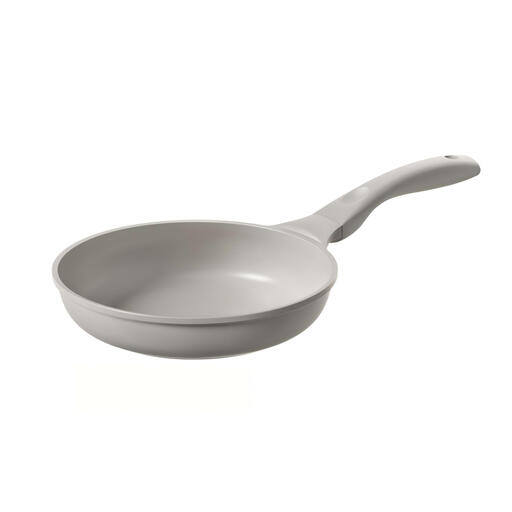
Why it suits this profile: The 24 cm size is easy to handle for everyday portions, eggs and vegetables. According to the product description, this pan is suitable for induction, gas and electric hobs.
The product specification lists a PTFE-, PFOA- and PFAS-free ceramic coating and compatibility with multiple heat sources. Do not use metal utensils, to protect the coating.
24 cm size, ergonomic Bakelite handle and, according to the product information, dishwasher-safe.
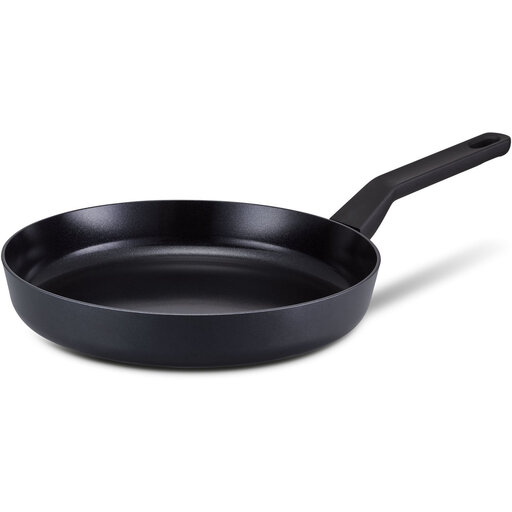
Why it suits this profile: This pan combines a 24 cm size with an aluminium body, ceramic coating and Bakelite handle. That makes it suitable for everyday cooking where weight and size matter.
According to Brabantia’s product information, the double ceramic coating is PFAS-free and suitable for induction, gas, electric, ceramic and halogen hobs. Hand-washing is recommended to extend its lifespan.
100% recycled aluminium according to the product description, PFAS-free double coating and dishwasher compatibility.
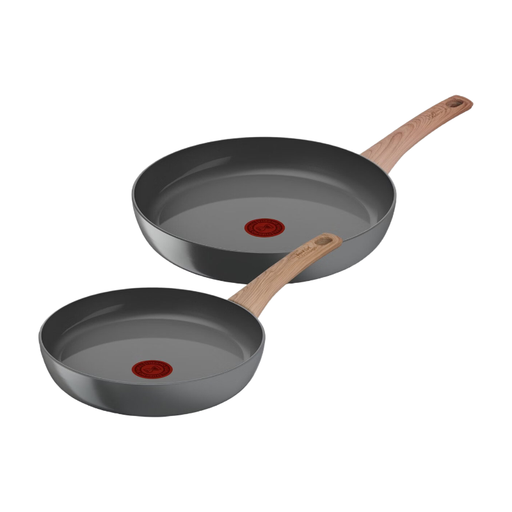
Why it suits this profile: The combination of 24 and 28 cm gives families the flexibility to prepare smaller and larger portions. According to the product information, the set is suitable for all heat sources, including induction.
The product description lists a PFAS-free ceramic coating and clearly stated sizes. According to the stated specifications, the pans are not dishwasher-safe, so hand-washing is part of their care routine.
Two sizes, 100% recycled aluminium according to the product information and a Thermo-Signal indicator.
We have compiled a complete, up-to-date list of products that fully meet these strict selection criteria and the applicable European safety regulations.
A ceramic pan does not require complicated care, but it does require consistent use:
A healthy frying pan is not a medical category. In practical terms, your choice should focus mainly on the coating you want, accurate product information, safe use and using an appropriate amount of oil for your recipes.
That depends on the model. Ceramic is only the coating; the base determines whether the pan works on induction. Always check for the wording “induction suitable” in the product specifications.
Its lifespan depends on the temperature, frequency of use, utensils and cleaning routine. A coating can wear out more quickly through the use of metal spatulas, overheating and frequent dishwasher use. Hand-washing and low to medium temperatures can help keep the pan usable for longer.
A set can be practical if you regularly prepare different portion sizes. For example, a 20 and 24 cm set is suitable for smaller meals, while 24 and 28 cm may be more convenient for a family. However, compare the individual specifications, including dishwasher use, oven suitability and warranty.
