
Vandaag of morgen in huis

Kwaliteit gegarandeerd

Welkomstaanbiedingen ontgrendelen: GRATIS bezorging | Tot 80% korting | Gratis 30 dagen JoyPlus-proefperiode
Download de app
A ceramic frying pan might seem simple to choose at first. However, pans vary considerably in size, coating, hob compatibility and care requirements. A low price doesn’t tell you everything, but a well-known brand name is no guarantee of a long lifespan either.
There are three pitfalls that are particularly relevant for households in the Netherlands:
If you’re looking for a PFAS-free frying pan, a PFAS-free ceramic pan or a frying pan without Teflon, read the material description carefully. “Ceramic” describes the type of coating, but on its own it doesn’t tell you which substances have or haven’t been used.
The product information for the Redchef, Brabantia and Tefal models mentioned here specifies a PFAS-free ceramic coating. The Redchef model is also described as free from PTFE and PFOA. These are claims from the brands’ product specifications and shouldn’t be taken as general conclusions about all ceramic pans.
Pay attention to care instructions too: don’t use metal spatulas, cut food in the pan or use abrasive sponges. A non-stick coating can wear down if the pan is used incorrectly, whatever the material.
The right size depends on your portions and your hob.
A bigger pan isn’t always more efficient. On an induction hob, the base needs to match the cooking zone well. If the pan is too large, the outer area may not heat as evenly.
A ceramic induction frying pan needs a magnetic or suitably composite base. Also check whether the pan is suitable for gas, electric, ceramic and halogen hobs. The term frying pan suitable for all hobs is only useful if this compatibility is confirmed in the product specifications.
Check the cleaning instructions too. A dishwasher-safe frying pan is convenient, but washing it by hand with a soft sponge can help keep the coating intact for longer. Oven suitability varies by model. The Brabantia Dusk, for example, is listed as oven-safe up to 200 °C, while the detachable handle on the Redchef requires extra care: it must not be exposed to direct flames or high heat.
The selection below is based on verifiable details such as size, material, coating, hob compatibility and care instructions. Claims about non-stick performance or durability come from the product information provided by the brands concerned.
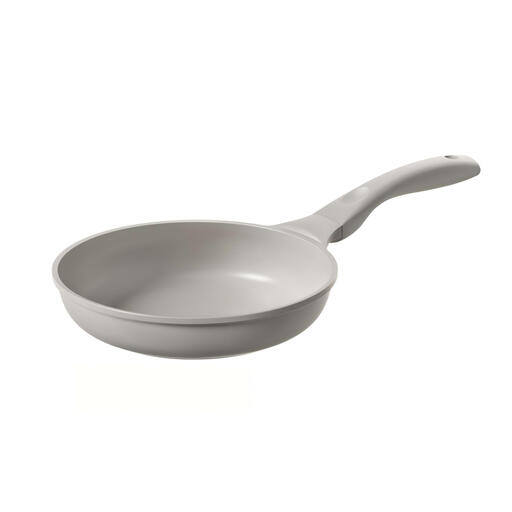
Why it suits this profile: This 24 cm model is suitable for everyday cooking, from eggs and vegetables to a portion of meat. According to the product information, it works on induction, gas and electric hobs, and is dishwasher-safe.
The product description explicitly states that the ceramic coating is free from PTFE, PFOA and PFAS, and that the pan is compatible with several types of hob.
24 cm size, ergonomic handle and easy cleaning according to the stated specifications.
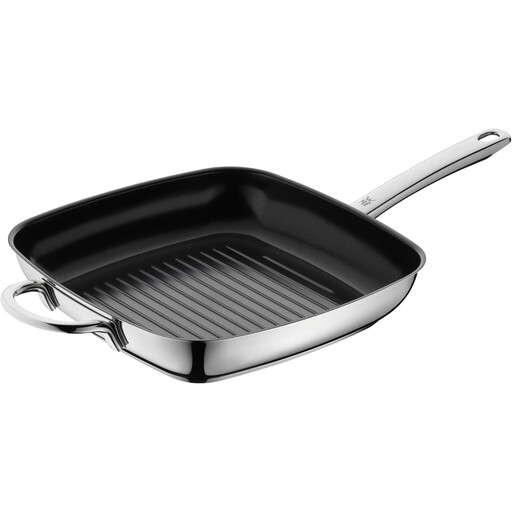
Why it suits this profile: Its Cromargan stainless steel body, ridged surface and oven-safe design make this model an interesting choice for anyone who does more than just fry food.
The specifications list all heat sources, including induction, and clearly state that the pan must be washed by hand. This means you know what care it needs before you buy.
28 cm grilling surface, wide pouring rim and oven use according to the product information.
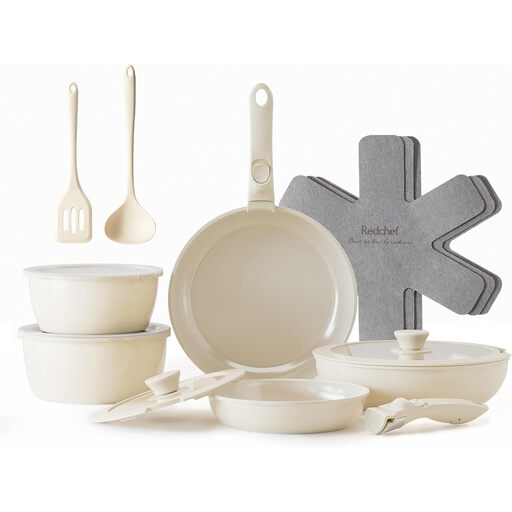
Why it suits this profile: The set includes several frying pans and saucepans, detachable handles and a stackable design. It’s a good fit for families, smaller kitchens and use in different cooking locations.
The set is listed as compatible with gas, electric and induction hobs. The handles are detachable, but the warnings say they must be attached securely and kept away from direct heat.
16-piece set, stackable design and components listed as dishwasher-safe and oven-safe in the product specifications.
We’ve put together a full, up-to-date list of products that meet these strict selection criteria and the applicable European safety requirements.
A ceramic pan doesn’t need complicated care, but it does need to be used consistently:
A dishwasher can be convenient, but hand-washing is recommended for several models to help protect the ceramic coating for longer. If the coating is visibly damaged, it’s better to replace the pan than to keep using it.
It can be, but not every ceramic pan is automatically suitable for induction. Check the product specifications for “induction-compatible” or “suitable for all hobs”. If you have an induction hob, also check the diameter of the pan base and the cooking zone.
Its lifespan depends on the temperature, utensils and cleaning method. The coating can wear down faster if you use metal utensils, overheat the pan, use abrasive cleaning products or expose it to sudden temperature changes. The manufacturer’s warranty or your statutory rights tell you what you’re entitled to, but they don’t give a fixed prediction of how long the pan will last.
An aluminium pan usually heats up quickly, so you may not need to heat it for as long. However, energy use depends mainly on the hob, the pan base, the temperature and the cooking time. A sustainable frying pan made from recycled aluminium may also be worth considering if you’re mindful of the materials used. Brabantia and Tefal state in their product information that their pans are made from 100% recycled aluminium; always check the exact specifications for the model you choose.
