
Vandaag of morgen in huis

Kwaliteit gegarandeerd

Welkomstaanbiedingen ontgrendelen: GRATIS bezorging | Tot 80% korting | Gratis 30 dagen JoyPlus-proefperiode
Download de app
A ceramic frying pan can be an appealing choice if you want to use less oil, are looking for a pan without PTFE or need a suitable pan for an induction hob. However, a smooth coating alone says little about its lifespan, care requirements or suitability for your hob.
The most common purchasing mistakes usually stem from three marketing pitfalls:
If you are looking for a PFAS-free frying pan, a frying pan without Teflon or a non-stick frying pan, check the full product specifications. Look out for terms such as PFAS-free, PTFE-free and PFOA-free. These are not synonyms for a particular cooking performance.
According to the product information from the brands mentioned, several models feature a ceramic coating without PFAS, PTFE or PFOA. This is a product specification provided by the manufacturer. It is not a general guarantee of a longer lifespan or a particular health outcome. Also check whether the information applies to the inside, the outside or both surfaces.
When using a ceramic coating, preferably use:
An induction frying pan needs a magnetic base. If it says “suitable for all hobs”, check whether the specifications also mention induction, gas, electric and ceramic cooking. On an induction hob, the diameter of the base is also important. A 28 cm pan may have a smaller magnetic base than the top rim suggests.
A thick or multi-layered base can distribute heat more evenly, but this does not always mean that the pan heats up faster. Aluminium is known for being lightweight and conducting heat quickly; stainless steel can be heavier and respond differently to changes in temperature. Choose based on your cooking habits, not just the coating.
The diameter determines how much food you can practically prepare:
A large pan on a small induction zone may heat less evenly. For a small kitchen, student accommodation, motorhome or caravan, a stackable ceramic cookware set with a removable handle can save space. If so, check carefully that the handle locks securely and whether it must be removed before using the pan in the oven.
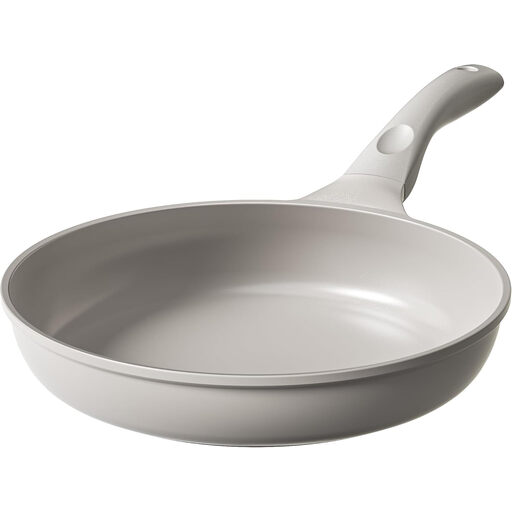
Why it suits this profile: A standalone 28 cm pan is practical if you want to try ceramic cooking without immediately buying a full set.
The product information explicitly states compatibility with induction, gas and electric hobs. It also lists PFAS-free, PTFE-free and PFOA-free as product specifications, according to Redchef.
28 cm diameter, ergonomic handle and dishwasher suitability according to the product page.
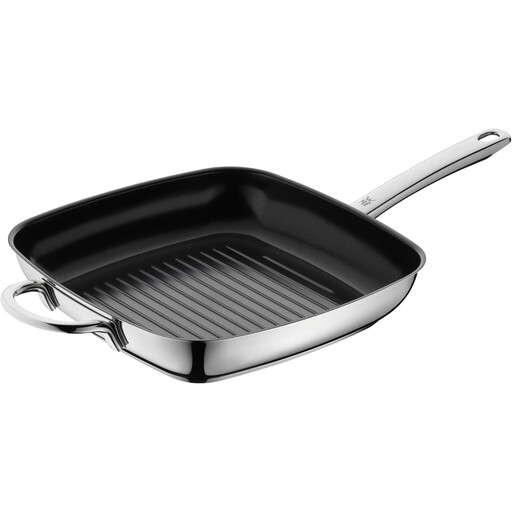
Why it suits this profile: This grill pan is ideal for home cooks who value a stainless-steel body, a ridged grilling surface and use on multiple heat sources.
The specifications list induction and other heat sources separately. The care information clearly states that this pan is not suitable for the dishwasher.
Cromargan 18/10 stainless steel, ceramic coating, oven use and a wide pouring rim according to the product information.
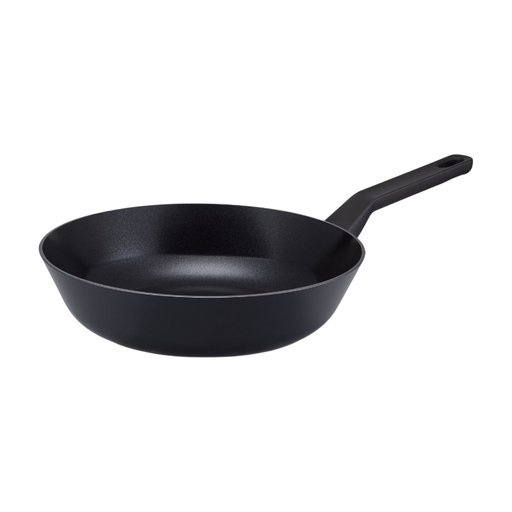
Why it suits this profile: The wok shape provides extra room for stir-fries, noodles, vegetables and larger family portions.
The product page states that it has PFAS-free ceramic double non-stick layers and is suitable for induction, gas, electric, ceramic and halogen cooking.
28 cm size, recycled aluminium according to the product information, dishwasher suitability and a heat-resistant handle.
We have put together a complete, up-to-date list of products that fully meet these strict selection criteria and the applicable European safety regulations.
A ceramic non-stick pan will generally remain more pleasant to use when you avoid putting unnecessary strain on the coating. Allow the pan to cool down before rinsing it, as a sudden change in temperature can cause warping. Do not use metal knives or spatulas, and stack pans with a protector between them.
When buying a dishwasher-safe frying pan, check whether the handle needs to be removed. According to the product information, for example, the USELUCK 10.5 inch ceramic pan is not dishwasher-safe, while some Redchef and Brabantia models are listed as suitable for dishwasher use. Washing by hand is often the gentler option.
It can be, but only if the manufacturer explicitly states that it is suitable for induction and the base is magnetic. Also check the base diameter and place the pan centrally on the induction zone.
No. PFAS-free describes the coating according to the product information. It does not mean that a pan automatically leads to a particular health outcome. Prepare food in line with normal cooking and safety guidelines, and follow the manufacturer’s care instructions.
Its usable life depends on heat, utensils, cleaning and how often you use the pan. Overheating, preheating an empty pan and using metal utensils can reduce the non-stick performance more quickly. Replace the pan when the coating is visibly damaged or has started to come away.
