
Vandaag of morgen in huis

Kwaliteit gegarandeerd

Welkomstaanbiedingen ontgrendelen: GRATIS bezorging | Tot 80% korting | Gratis 30 dagen JoyPlus-proefperiode
Download de app
At first glance, choosing a ceramic frying pan might seem straightforward. However, pans vary significantly in their coating, size, hob compatibility and maintenance. A smooth exterior or the term "non-stick" doesn't tell you much about how the pan will actually perform in your kitchen.
These three pitfalls in particular often lead to a disappointing purchase:
If you're looking for a frying pan without PFAS, a frying pan without PTFE and PFOA or a PFAS-free frying pan, it's worth reading the product specifications carefully. Don't just look at the title; check the full material description too.
An aluminium frying pan with a ceramic coating generally heats up quickly. A stainless-steel base may also be necessary for induction hobs. The combination of aluminium, ceramic and steel can be found, for example, in the Redchef Starlight Series. According to the product description, the coating is free from PTFE, PFOA and PFAS.
Also pay attention to the wording. "Free from intentionally added PFAS" is a different statement from a general claim about the entire composition. If in doubt, choose a product where the manufacturer clearly states the coating and materials.
Not every ceramic frying pan is suitable for every heat source. For an induction frying pan, the base needs to be magnetic and sit flush against the cooking zone. Also check whether the pan is suitable for:
Most of the selected models below are, according to their product information, suitable for multiple heat sources. With induction, also pay attention to the diameter of the base. A 24 cm pan can have a smaller effective base than the top rim suggests.
A 24 cm frying pan is ideal for eggs, omelettes, vegetables and meals for one to three people. A 28 cm frying pan offers more space for meat, stir-fries or several portions at once. For single-person households, 20 cm may be sufficient.
A dishwasher-safe frying pan is practical, but dishwasher-safe doesn't mean the coating will last indefinitely. Manufacturers often recommend hand washing with a soft sponge to preserve the ceramic layer for longer. Don't use metal utensils and let a hot pan cool down before rinsing it.
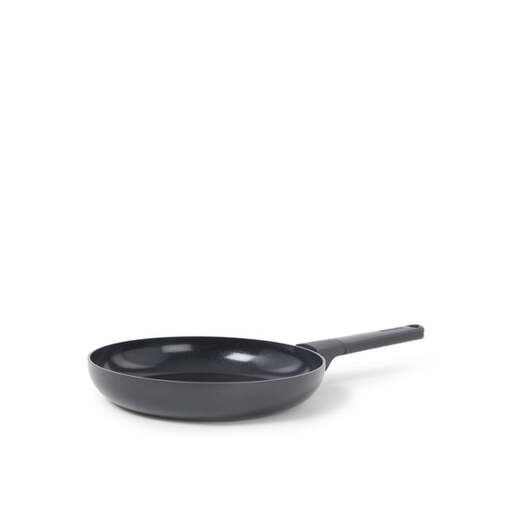
Why this fits the profile: The 24 cm size is ideal for everyday portions without needing to store a large pan. According to the product description, the aluminium pan is PFAS-free, suitable for induction, gas, electric and ceramic hobs, and dishwasher-safe.
The product information clearly states both the ceramic coating and the compatible heat sources. This means you don't have to rely solely on the marketing term "non-stick".
24 cm diameter, ceramic coating, PFAS-free according to the product listing and dishwasher-safe.

Why this fits the profile: According to the product description, this durable frying pan combines 100% recycled forged aluminium with a PFAS-free ceramic coating and a riveted stainless steel handle.
The product details list the material, coating, hobs and oven use separately. This makes the pan easier to compare than a general durability claim.
Suitable for all listed hobs, dishwasher-safe and oven-safe up to 200 °C according to the product information.
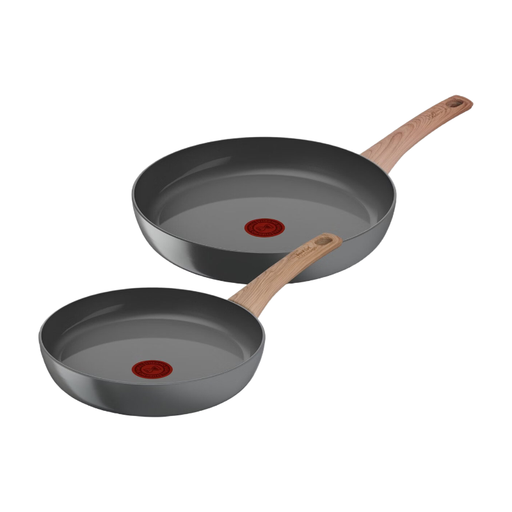
Why this fits the profile: The set offers two sizes for different types of cooking. According to the product description, both pans are made from 100% recycled aluminium, have a PFAS-free ceramic coating and a Thermo-Signal temperature indicator.
You don't have to compromise on one size. The 24 cm is ideal for smaller portions and the 28 cm for larger meals. Hand washing is recommended, which prevents any misunderstanding about maintenance.
Two diameters, suitable for induction and other heat sources, plus a heat indicator according to the product information.
We've put together a full, up-to-date list of products that fully meet these strict selection criteria and comply with current European safety regulations.
That depends on the base. Look specifically for "induction-compatible" or "induction frying pan" in the product specifications. If in doubt, also check the recommended induction zone diameter and the effective base size.
The lifespan depends on use and maintenance. Don't heat the pan empty for long periods on a high setting, use wooden or silicone spatulas and avoid abrasive sponges. A dishwasher-safe frying pan can go in the dishwasher, but hand washing with a soft sponge generally helps keep the coating intact for longer. Stop using the pan when the coating visibly peels or the pan becomes warped.
Not necessarily. The purchase price varies by brand, size and material. A ceramic layer can support cooking with less oil, but the actual cost depends mainly on the purchase price, lifespan and maintenance. So don't just compare the price; also compare the warranty, size, hob compatibility and recommended cleaning method.
