
Vandaag of morgen in huis

Kwaliteit gegarandeerd

Welkomstaanbiedingen ontgrendelen: GRATIS bezorging | Tot 80% korting | Gratis 30 dagen JoyPlus-proefperiode
Download de app
Buying a new frying pan seems simple—until you see the options. Especially when you're looking for a healthy, PFAS-free frying pan, you're bombarded with promises. But not every ceramic pan is a good purchase. Many pans end up in the bin after just a few months because they don't deliver on their claims. As a Product Recommendation Officer at Joybuy, I see where things often go wrong. Let's cut through the marketing jargon and look at what you really need to pay attention to.
Before you pull out your wallet, it's wise to recognise these common purchasing mistakes. They might not seem important at first glance, but they determine whether your pan will still be a pleasure to use a year from now.
To avoid the pitfalls above, focus on three concrete features. These determine the durability and ease of use of your new pan.
A non-stick pan without PFAS has become the standard, but look beyond just that label. The durability of the ceramic layer is crucial. Standard ceramic coatings are naturally somewhat brittle. Manufacturers, therefore, often reinforce them with harder materials.
The base is the engine of your pan, especially on induction. A good base ensures fast, even heat distribution and prevents the pan from warping.
The right size and handle make daily use much more pleasant.
Based on these criteria, we have selected a number of pans that suit different user profiles.
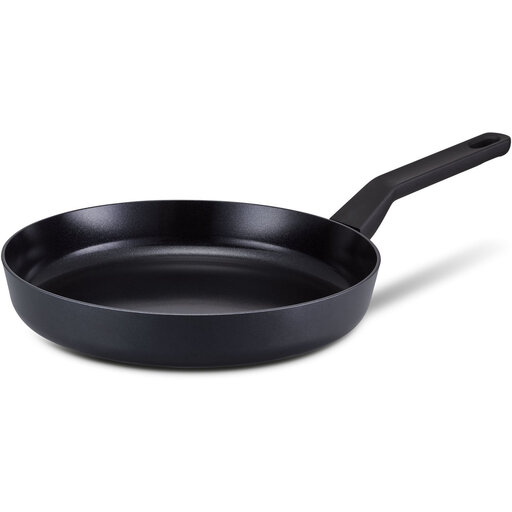
Why This Fits Their Persona: Ideal for those seeking a reliable, healthy pan for daily use without a major investment. This pan from a well-known brand offers a safe entry into the world of PFAS-free cooking.
Brabantia's ceramic coating is designed for durability, helping you avoid the pitfall of a quickly deteriorating layer. The pan is suitable for all heat sources, including reliable performance on induction.
Made from 100% recycled aluminium and heats up quickly. The heat-resistant Bakelite handle ensures a safe grip during cooking.
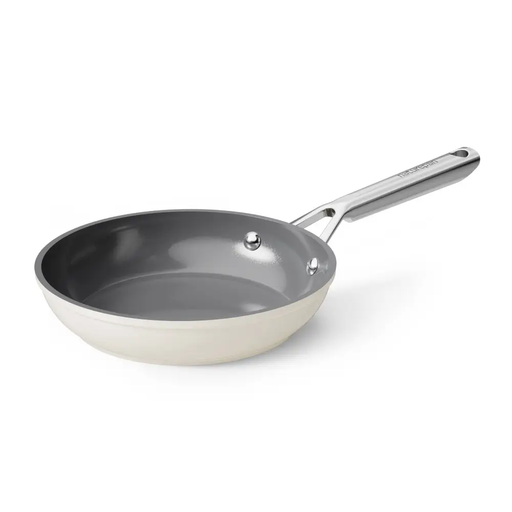
Why This Fits Their Persona: For the home cook who invests in durability and performance. This pan is built to last and offers the versatility to go straight from the hob into the oven.
The diamond and titanium-reinforced coating directly addresses the pitfall of rapid wear. The stainless steel handle and oven-safe rating up to 230°C fully deliver on the 'oven-safe' promise.
Exceptionally durable and scratch-resistant coating. The pan is suitable for all heat sources and can be used safely in the oven for maximum flexibility in the kitchen.
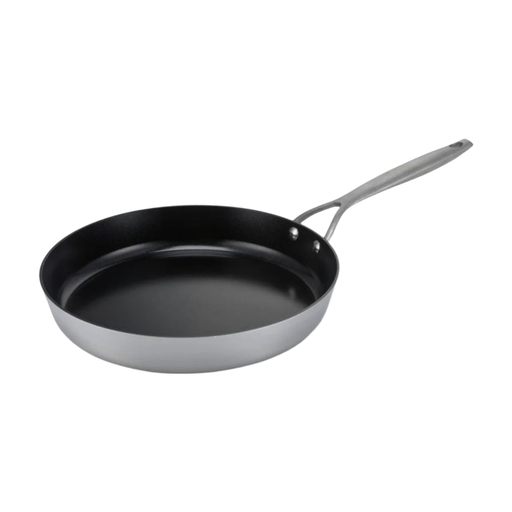
Why This Fits Their Persona: Perfect for families or those who enjoy preparing larger meals. The 28 cm size offers ample space, and its robust construction is designed for intensive daily use.
The forged aluminium construction and riveted stainless steel handle provide the sturdiness needed for a larger, heavier pan. Its oven-safe rating up to 200°C is clearly specified and functional.
Large 28 cm cooking surface, suitable for meals for up to 5 people. The strong, riveted handle provides extra safety and stability when moving the pan.
We have compiled a complete, up-to-date list of products that fully meet these strict selection criteria and safety standards.
The lifespan heavily depends on the quality of the coating and its maintenance. A high-quality pan with a reinforced coating can last for several years with proper care (no metal utensils, hand washing, not overheating). A cheaper model with a basic coating may lose its non-stick properties after just a few months.
The term 'healthy' here primarily refers to the fact that ceramic pans are free from chemicals like PFAS, PFOA, and PTFE. This means no potentially harmful substances can be released, even if the pan is accidentally overheated or the coating gets damaged. This makes it a worry-free choice for those who are conscious about their cooking materials.
If a ceramic pan starts to stick, it's usually due to two reasons: the coating is damaged by scratches or overheating, or an invisible layer of burnt-on oil and food residue has formed. Prevent this by cooking on medium-high heat, always using a little oil or butter, and cleaning the pan thoroughly but gently by hand after it has cooled down.
