
Vandaag of morgen in huis

Kwaliteit gegarandeerd

Welkomstaanbiedingen ontgrendelen: GRATIS bezorging | Tot 80% korting | Gratis 30 dagen JoyPlus-proefperiode
Download de app
A good frying pan is an essential tool in any kitchen. More and more people are opting for a ceramic frying pan, often drawn by the promise of healthier cooking without harmful substances. But the market is flooded with options and marketing claims, making it easy to buy a pan that needs replacing after just a few months.
As a Joybuy Product Recommendation Officer, I'm here to help you cut through the noise. We'll focus on the specifications that truly matter, so you can choose a pan that fits your cooking style and kitchen. First, let's discuss the most common pitfalls.
To avoid a bad purchase, it's smart to focus on a few concrete features. These determine how a pan will perform in the long term.
Not every ceramic non-stick pan is created equal. The base layer is often a sol-gel coating (ceramic), but the quality and durability vary enormously. Pay attention to the following points:
A robust coating is the core of a truly healthy frying pan. It ensures the pan maintains its function without scratching.
Always check if the pan is suitable for your specific kitchen appliances.
Consider what you'll be using the pan for most often. A ceramic grill pan creates beautiful sear marks on meat and vegetables but is less suitable for a pancake. A ceramic frying pan set can be convenient if you need multiple pans at once and want a uniform style in your kitchen. The most common sizes are 24 cm (for 1-2 people) and 28 cm (for 2-4 people).
Based on objective specifications, we have selected a number of pans that suit different user profiles.
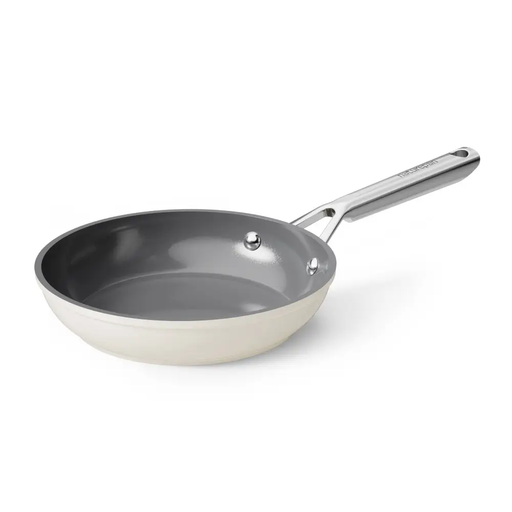
Why This Fits Their Persona: This is a versatile all-rounder for those who cook daily. The 24 cm size is ideal for meals for 2 to 3 people, from a fried egg to a piece of salmon.
According to the manufacturer, the ceramic coating is reinforced with diamond and titanium particles, which aims for a longer lifespan and better scratch resistance than a standard coating.
Suitable for all heat sources (including induction) and oven-safe up to 230°C. The stainless steel handle makes the pan highly versatile.

Why This Fits Their Persona: This set offers two commonly used sizes, ideal for a family. The pans are made from recycled aluminium, which is a sustainable consideration.
The pans have a double ceramic non-stick coating that is 100% PFAS-free. The stainless steel handles are riveted for extra sturdiness, preventing a common weak point found in cheaper pans.
A complete ceramic frying pan set that is dishwasher safe (hand wash recommended) and oven safe (up to 200°C). Made from 100% recycled aluminium.
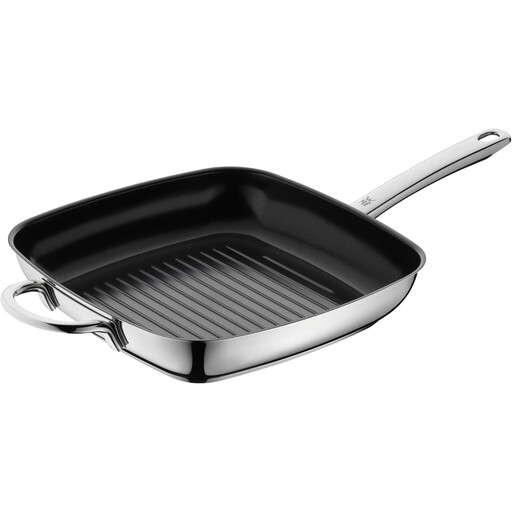
Why This Fits Their Persona: For those looking for those signature grill marks on a steak, chicken breast, or vegetables. This is a specific ceramic grill pan for a specific purpose.
The pan is made of robust Cromargan 18/10 stainless steel with a TransTherm base. This ensures stable and even heat distribution, which is crucial for grilling and prevents a common problem with cheaper pans.
Oven-safe and suitable for all heat sources, including induction. The wide pouring rim makes draining fat or liquid easy and mess-free.
We have compiled a complete, up-to-date list of products that meet these selection criteria and comply with local regulations.
The lifespan depends heavily on the quality of the coating and its maintenance. A high-quality pan can last for several years with proper use. The most important tips are: do not use metal utensils, avoid overheating (don't heat the pan empty on high heat), and let the pan cool down before washing it. Hand washing with a soft sponge is often better for the coating than the dishwasher.
Ceramic pans are a popular choice because their non-stick coating is free of substances like PFAS, PFOA, and PTFE. For people who want to avoid exposure to these chemicals, this is a significant advantage. However, a healthy frying pan is also an intact pan. Once the coating is damaged, it is advisable to replace the pan.
If a pan starts to stick, it could be due to past overheating or an invisible buildup of fat and protein residues. Try to clean the pan thoroughly with hot water, dish soap, and a soft sponge. Never use an abrasive scourer. Sometimes, lightly greasing the pan with a little oil before use can help. If the coating is visibly scratched or damaged, the pan has reached the end of its life.
