
Vandaag of morgen in huis

Kwaliteit gegarandeerd

Welkomstaanbiedingen ontgrendelen: GRATIS bezorging | Tot 80% korting | Gratis 30 dagen JoyPlus-proefperiode
Download de app
Choosing a new dinnerware set is a fun way to give your kitchen or dining table a fresh look. But with so many choices in ceramic dinnerware, it's easy to fall into a few common pitfalls. A beautiful plate is one thing, but it also needs to be practical for daily use. As a Product Recommendation Officer at Joybuy, I'm here to help you see through the marketing jargon and focus on what really matters. Here are the traps you'll want to avoid.
Before you're tempted by a pretty picture, pay attention to these three points. They can mean the difference between a set you'll enjoy for years and a bad purchase that ends up collecting dust in the back of the cabinet.
To avoid a purchase you'll regret, it helps to know what to look for. Focus on these specifications to find dinnerware that is both beautiful and functional.
The type of material determines the durability, appearance, and weight of your dinnerware.
Look beyond just the appearance. For daily convenience, the following points are crucial:
To help you get started, we've selected a few products that are a great fit for different needs and lifestyles.
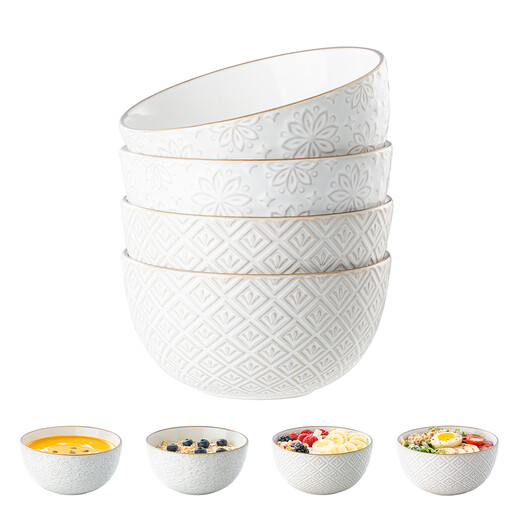
Why This Fits Their Persona: This versatile set of bowls is ideal for someone just starting out. Perfect for breakfast, soup, or salad. They are designed to stack, which is convenient in a smaller kitchen, and the different embossed patterns provide a playful yet cohesive look.
The product information explicitly states that the bowls are safe for the microwave, oven, and dishwasher. The durable ceramic is made for daily use, avoiding the pitfall of a misleading "dishwasher-safe" label.
Large capacity of approximately 850 ml (29 oz) per bowl. The set is stackable and made of lead- and cadmium-free ceramic.
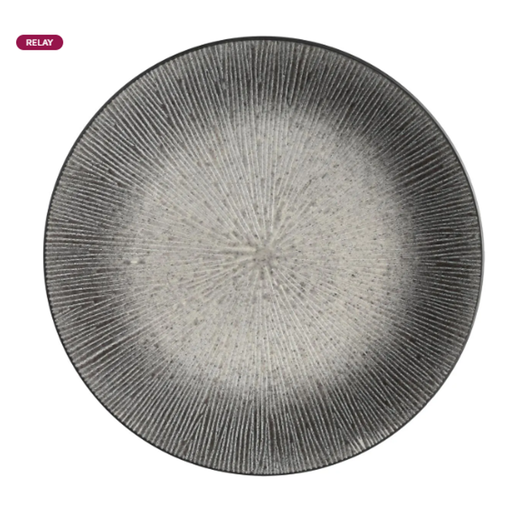
Why This Fits Their Persona: For those who see food as not just nourishment, but also presentation. This sandstone (stoneware) plate has a modern, minimalist look that lets the food shine. The grey colour and texture create a perfect canvas for culinary creations.
This is not a fragile decorative plate. It's made of robust sandstone, offering the durability of stoneware. It combines aesthetics with the sturdiness needed for regular use, avoiding the pitfall of an impractical design.
Large 27 cm size for impressive plating. The material is durable and, according to the manufacturer, suitable for professional use.
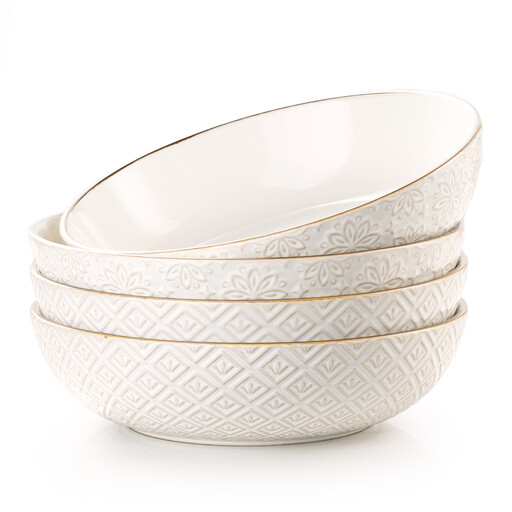
Why This Fits Their Persona: This set of four large bowls is perfect for family meals. According to the manufacturer, they have thickened walls for extra durability, ideal for a household where things can get a bit hectic. The classic white colour fits any interior.
These bowls are designed for practical convenience. They are stackable to save space and fully appliance-safe (dishwasher, microwave, oven). This directly addresses the pitfalls of impractical storage and difficult maintenance.
Very generous capacity of 36 oz (approximately 1 litre). Made of premium, food-safe ceramic that is scratch-resistant and durable.
We've compiled a complete, up-to-date list of products that meet these selection criteria and current regulations.
1. What is the exact difference between porcelain and stoneware? Porcelain is made from a finer clay and fired at a higher temperature than stoneware. This makes porcelain harder, less porous, and often thinner and lighter. Stoneware is a bit more robust and thicker, giving it a more rustic appearance. Both are excellent, durable choices for everyday dinnerware.
2. How can I prevent my ceramic dinnerware from getting damaged in the dishwasher? Ensure that plates and bowls do not touch each other in the dishwasher to prevent chipping. Use a mild detergent and avoid the hottest cycles if you are unsure about the quality of the glaze. Rinse off strongly coloured foods (like tomato sauce or curry) before placing items in the dishwasher to prevent staining.
3. Can I mix and match different styles of ceramic dinnerware? Absolutely. Combining different styles, colours, and textures can create a very personal and interesting effect. A good tip is to keep one basic element consistent, such as the colour (e.g., different shades of white and grey) or the material (e.g., all stoneware). This helps create a cohesive look that is still unique.
