
Vandaag of morgen in huis

Kwaliteit gegarandeerd

Welkomstaanbiedingen ontgrendelen: GRATIS bezorging | Tot 80% korting | Gratis 30 dagen JoyPlus-proefperiode
Download de app
Ceramic bowls and mugs suit almost any kitchen, but not every design is equally practical for everyday use. A beautiful glaze, for example, may be prone to scratches, while a generous soup bowl might be too wide for a small dishwasher. Information about microwave suitability, capacity and material can also sometimes be unclear.
This buying guide shows you what to look out for before choosing a ceramic bowl, breakfast mug or coffee mug. Our recommendations are based on verifiable product specifications, such as capacity, dimensions, material and stated care instructions.
Colour and shape catch your eye straight away, but check the diameter, height and capacity too. A 600 ml breakfast bowl is suitable for granola, soup or noodles, but takes up more space than a compact bowl. With a mug, the capacity determines whether it’s a good fit for a small espresso, a regular coffee or a large cup of tea.
Not every ceramic bowl or mug is automatically microwave-safe. Always check the product information. Take extra care with decorations that include metallic details, such as gold-coloured rims. According to the product information, the Secret de Gourmet Floral Ceramic Mug, 480 ml, is described as oven- and dishwasher-safe. Even so, check the latest care instructions on the product page before using it.
A mug with a lid is handy at the office or when you’re on the move, but the lid may be made from a different material to the mug. According to the product description, the DAFUCERAMIC ramekins are made of porcelain and are suitable for the oven, microwave, dishwasher and freezer. The plastic lids have separate temperature limits and should be hand-washed.
Use these guidelines as a practical starting point:
As well as capacity, check the diameter and height. A wide bowl is handy for toppings, but a tall mug may be less stable when full.
Product names can vary. Earthenware often has a heavier, traditional look. Porcelain usually has a finer finish and is widely used for lightweight tableware. The terms ceramic and stoneware may be used interchangeably in product titles. So always check the stated material rather than relying on the title alone.
Also check whether the product is suitable for everyday use. A smooth glaze is easier to clean. If an item is damaged, cracked or chipped, it’s best to stop using it.
Stackable bowls are practical if you have limited cupboard space in your kitchen. Check the shape of the rim and base: wide decorative rims can make bowls less compact when stacked.
A dishwasher-safe label makes cleaning easier, but follow the manufacturer’s specific instructions. Don’t use a metal scouring pad on decorative glazes. Also avoid sudden changes in temperature to reduce the risk of thermal shock.
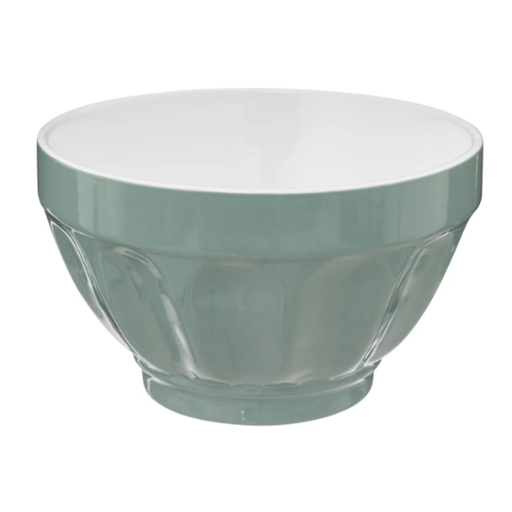
Why it suits this shopper: Its 600 ml capacity is a good fit for breakfast, soup and noodles. The mint colour adds a distinctive touch without requiring you to buy a complete tableware set.
The capacity and diameter are clearly stated, so you can check in advance whether the bowl suits your portions and cupboard space.
600 ml capacity, ceramic material, 14.5 cm diameter and easy to pair with other Colorama items.
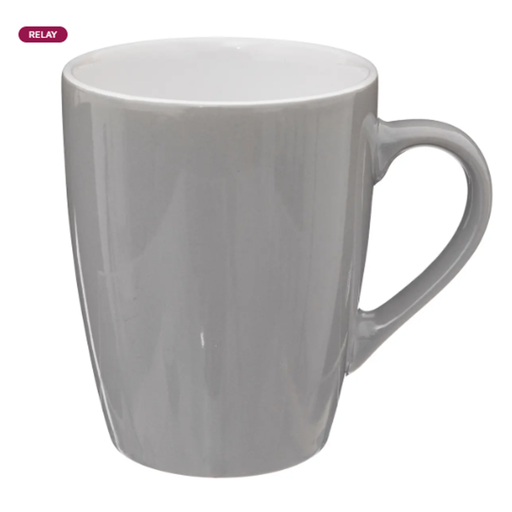
Why it suits this shopper: This mug has a capacity of 31 cl and is described as microwave- and dishwasher-safe in the product information. That makes it a good choice for everyday coffee or tea.
The care options are clearly stated, so you don’t have to guess whether the mug can go in the dishwasher or microwave.
31 cl capacity, grey colour, earthenware and a product description that states it is dishwasher- and microwave-safe.
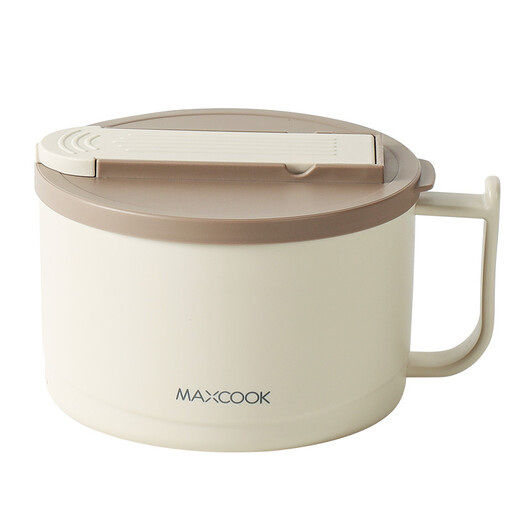
Why it suits this shopper: With a capacity of 1.5 litres, this ramen bowl is made for generous noodle dishes, broth and toppings. The included cutlery is handy for a complete meal.
Its generous capacity makes it clear that this isn’t a standard breakfast bowl. That way, you can avoid choosing a dish that’s too small for ramen or large portions.
1.5-litre capacity and cutlery included; suitable for ramen, soup, noodles and generous single portions.
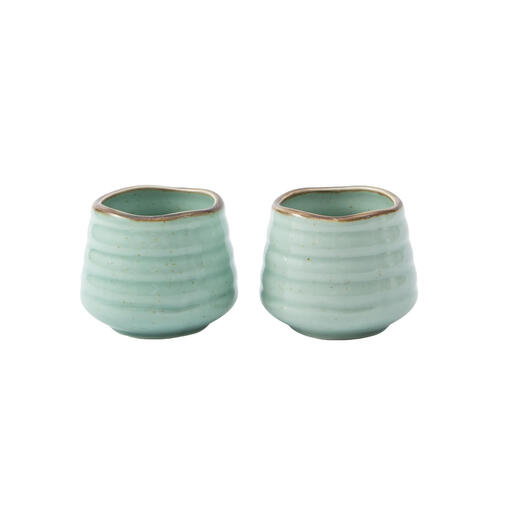
Why it suits this shopper: The set includes two 160 ml cups without handles. They’re designed for matcha lattes, tea, coffee and other small hot drinks.
The set is clearly described as small cups without handles, so you’ll know in advance that they won’t offer the same grip as a regular coffee mug.
Set of two, 160 ml per cup, ceramic material and a stackable design according to the product information.
We’ve put together a complete, up-to-date list of products that meet these strict selection criteria and the applicable European safety regulations.
It varies by product. Look for an explicit statement in the product information confirming that it’s microwave-safe. Don’t use tableware that’s damaged, and take care with decorative metallic rims. Also, don’t put a very cold bowl straight into a high heat.
Their lifespan depends on how they’re used, their glaze and how they’re cared for. Ceramic can last for years with normal use, but it’s still breakable. Avoid hard knocks, metal scouring pads and big changes in temperature. A crack or chipped rim is a practical sign that it’s time to replace the mug.
A set can be good value if you need several matching cups. Individual mugs offer more flexibility in a household where people have different preferences. Compare more than just the price: consider capacity, care, stackability and the cost of any accessories, such as lids or spoons.
