Start with a stable set-up, controlled lighting and a fixed white balance. For consistent overall shots, these often matter more than upgrading to a more expensive camera body straight away. For small glaze details, the specific lens is what matters most: check both the focusing distance and magnification. A mirrorless camera gives you the flexibility to change lenses later, but an extra lens can mean extra equipment. Canon Netherlands recommends using a tripod for consistent product photos. Take test shots to assess shadows, reflections and the framing of your bowls.
Who is this guide for?
Ceramic sellers with a dedicated photography spot
If you photograph several bowls from similar angles, consistent framing and controlled lighting can make a real difference. Canon Netherlands explains how a tripod helps produce consistent product images. Keep an eye on the white balance too, especially when your light source changes.
Makers who want to show off glaze details
For small patterns, textures or a maker’s mark, your lens needs to focus close enough and capture the detail at a sufficient size. Canon Europe and Nikon Netherlands provide lens-specific focusing information; this applies only to the lens and settings specified.
Beginners with limited equipment
If you don’t want to buy extra lenses straight away, first try using a tripod, fixed settings and adjusted lighting with the camera you already have. Canon Netherlands explains the benefits of a tripod for product photography. With a mirrorless camera, the lens is a separate part of the set-up.
What should you look for in a camera for ceramic photography?
Start with the shot you want to take. Keep your lighting and framing under control for a series of overall shots, and check the lens separately if small details matter.
| What to consider |
What should you check? |
Who is this important for? |
| Consistent lighting |
Take test shots with a real bowl. Check the light position, shadows and reflections, and make sure you can adjust the exposure. |
If I want to photograph several bowls in a consistent way, I need to be able to repeat the lighting and framing. Around 33% of consumers prioritise consistent lighting. |
| Clay and glaze colour |
Compare the same bowl under the lighting you plan to use. Check the white balance and RAW shooting if you want to adjust colours later. |
If the glaze colour needs to look true to life in product photos, I pay attention to the effect of the light source and white balance. Around 25% of consumers prioritise colour reproduction. |
| Close-ups of details |
For the exact lens and zoom setting, check both the minimum focusing distance and maximum magnification. Also assess the final crop. |
If I want to show a small glaze detail or maker’s mark on its own, it needs to appear sharp and large enough in the frame. Around 25% of consumers prioritise close-up capabilities. |
| Complete set-up |
Check whether the offer includes a lens and whether it suits the shots you want to take. Try your current camera with a tripod and adjusted lighting first. |
If I want to put together a usable set-up without unnecessary extra equipment, I compare the complete package rather than just the camera body. Around 17% of consumers prioritise the complete set-up. |
Common mistakes when choosing a camera for ceramic photography
-
Comparing camera bodies alone
With a mirrorless camera, close-up capabilities also depend on the lens. Focusing distance and magnification can vary between lenses and settings.
Compare complete kits and check the specifications for the exact lens and zoom setting you plan to use for your detail shots.
If the included lens can’t capture the crop you want, you may need a different compatible lens.
-
Assuming a dark background means there’s little light on the bowl
The background doesn’t determine how much light falls on the bowl. Side lighting can bring out its shape, but check that shadows aren’t hiding details.
Take a test shot and assess both the shadowed side and any reflections before using the set-up for a whole series.
-
Thinking RAW or a high megapixel count will fix colour differences
RAW gives you room to adjust the white balance later, but it doesn’t replace a controlled lighting set-up. Different light sources can affect how colours appear.
Keep the lighting as consistent as possible and check the colours against the real bowl.
RAW files may take extra time to process.
-
Confusing the manufacturer’s warranty with your statutory rights
According to the Dutch government, a manufacturer’s warranty is an additional benefit. If a product doesn’t meet requirements, contact the seller.
Read any additional warranty terms and consider your statutory rights separately.
Camera brands to consider
Canon
Canon EOS R mirrorless cameras with RF or RF-S lenses. The EOS R50 with the RF-S 18-45mm is one specific body-and-lens combination to consider.
- Canon Europe lists 24.2 effective megapixels for the EOS R50.
- The focusing distance and maximum magnification of the RF-S 18-45mm vary depending on the zoom setting and focusing mode. These specifications are not an independent quality comparison.
Nikon
Nikon Z mirrorless cameras with Z lenses. The Z50II with the NIKKOR Z DX 16-50mm is one combination to assess for handling and shooting distance.
- Nikon describes an electronic viewfinder that can display changes to settings. Nikon lists a minimum focusing distance of 0.2 m for the DX 16-50mm lens.
- The focusing distance alone doesn’t tell you whether a small glaze detail will fill the frame.
Sony
Sony E-mount mirrorless cameras. The α6400 is an APS-C model to consider if RAW shooting and an interchangeable lens are important to you.
- Sony lists approximately 24.2 effective megapixels, E-mount compatibility and RAW shooting for the ILCE-6400.
- The lens also affects how small a detail you can capture. These specifications don’t show that ceramic photos will turn out better than with another brand.
Fujifilm
Fujifilm X-series mirrorless cameras. The X-S20 is an option to compare if you want RAW shooting and an interchangeable lens.
- Fujifilm lists features for the X-S20 including 14-bit RAW and manual exposure.
- Check the exact lens and what’s included in the kit. The camera body specifications alone don’t determine how accurately a particular ceramic set-up will reproduce colour.
Panasonic
Panasonic LUMIX G mirrorless cameras offer a different lens system to choose from. The DC-G97 with the G Vario 12-60mm is one specific combination to consider.
- Panasonic lists a 20.3-megapixel sensor and a vari-angle screen for the G97.
- Check the lens and what’s included in the kit for the close-ups you want to take. The specifications listed alone don’t tell you whether it’s suitable for your specific shot.
Cameras at Joybuy
These Joybuy camera picks are relevant to product photography. Check whether each model’s controls, lens and framing suit your ceramic photos.
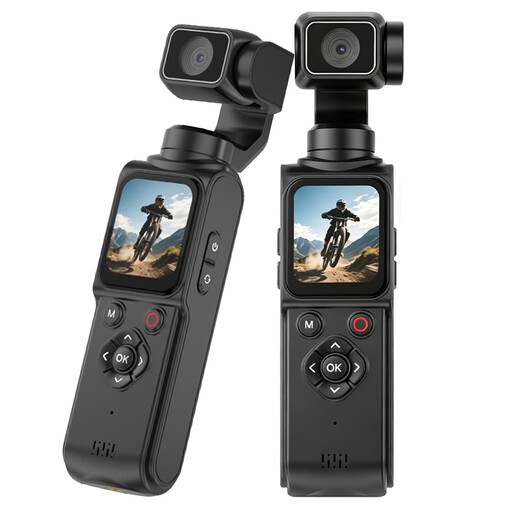 No image available
KINSI Mini Vlog Camera 4K, 64 MP, 330° rotating lens
Consider this model if you want to use the rotating lens and included tripod to try different compositions. Test it with a bowl to check whether the focus and detail crop meet your needs.
The product name lists a 1.72-inch touchscreen and Type-C. The stated 64 MP is a figure in the product title and doesn’t in itself indicate how sharply a glaze detail will appear.
View at Joybuy
 No image available
KOMERY G7-A 4K, pink
The product name describes this model as a point-and-shoot camera. Take a test shot to see whether the focus and framing suit your bowls and the details you want to capture.
The product name lists 80 MP and 18X zoom, but doesn’t specify that the zoom is optical. Don’t treat these figures in the title as proof of its close-up capabilities.
View at Joybuy
 No image available
Komery W6, 12X optical zoom, 4K, 64 MP
The product name lists optical zoom. Take a test shot to check whether the shooting distance and framing work for your bowl. A zoom rating alone doesn’t determine how small a glaze detail can be captured in focus.
The product name also lists Wi-Fi and 4K. The stated 64 MP is a figure in the title, not an independent indication of how much detail the camera captures.
View at Joybuy
 No image available
DJI Osmo Pocket 3
The product name describes this model as a vlog camera. Before choosing it for still photos of bowls, check whether its focus, controls and framing suit your set-up.
The product name lists a 1-inch CMOS sensor, 4K/120fps video and a 2-inch rotating touchscreen. These details in the title don’t in themselves answer whether the camera is suitable for capturing small glaze details.
View at Joybuy
 No image available
Sony ZV-E10 with 16-50mm zoom lens, black
The product name lists a 16-50mm zoom lens with the camera. Check that the exact lens can achieve the shooting distance and framing you want for both overall shots and details.
A zoom lens can help you adjust the framing, but the product name doesn’t provide close-up specifications. Take a test crop before choosing based on the lens name alone.
View at Joybuy
Frequently asked questions about cameras for ceramic photography
Do you need a camera specifically designed for low light to photograph against a dark background?
Not just because the background is dark. It doesn’t determine how much light falls on the bowl, so assess the lighting on the subject and the shadows. Side lighting can bring out the shape, but check that the bowl remains visible enough.
How can you keep a series of bowl photos consistent?
Use a tripod, keep the framing and lighting consistent, and check the white balance when the light source changes. Canon Netherlands explains how a tripod helps produce consistent product images and why white balance matters when the light changes.
Is a kit lens good enough for glaze details?
It depends on how small the detail is and how large it needs to appear in the final photo. Check both the focusing distance and magnification of the exact lens. Canon Europe lists different figures for the RF-S 18-45mm depending on the zoom setting and focusing mode. If possible, take a test crop first.
What extra equipment should you consider besides the camera body?
Check whether a lens is included and whether it can capture the framing you want. With a mirrorless camera, you may need a different compatible lens. A tripod can help keep the camera steady in a dedicated photography spot. First, try adjusting the lighting to see whether your current camera already does what you need.
What consumer rights apply when buying a camera online in the Netherlands?
According to ACM ConsuWijzer, online consumer purchases usually come with a statutory 14-day cooling-off period, starting from the day after delivery; exceptions may apply. The Dutch government says you’re entitled to a product that meets requirements, and the seller is your point of contact if there’s a fault. There is no fixed statutory warranty period in the Netherlands. These consumer rules don’t automatically apply to business purchases.


