
Vandaag of morgen in huis

Kwaliteit gegarandeerd

Welkomstaanbiedingen ontgrendelen: GRATIS bezorging | Tot 80% korting | Gratis 30 dagen JoyPlus-proefperiode
Download de app
Sensitive, dry or redness-prone skin won’t necessarily respond well to every product containing centella asiatica. Terms such as cica cream, centella cream or soothing face cream don’t tell you much about the formula as a whole. If you focus only on a high percentage of centella, you could still end up buying a product that feels too rich, is fragranced or simply isn’t right for your skin.
The main pitfalls to watch out for with Centella skincare:
Centella asiatica may appear as an extract, leaf water, madecassoside, asiaticoside, madecassic acid or asiatic acid. The concentration isn’t always listed in the same way. Centella formulas often also contain ingredients that hydrate and support the skin barrier, such as glycerin, panthenol, hyaluronic acid, ceramide NP or squalane.
If you’re looking for fragrance-free skincare, don’t just check for the word “fragrance”. Lavender oil, citrus oil and other essential oils may also be worth looking out for if you have sensitive skin. For example, the listed ingredients for SKIN1004 Madagascar Centella Cream include lavender oil and orange oil. That doesn’t automatically make it unsuitable, but it’s worth bearing in mind if you’ve reacted to fragrances before.
A moisturiser for sensitive skin doesn’t always have to be rich. A gel cream may suit oily or combination skin better, while a cream containing ceramides, oils or shea butter may feel more comfortable on dry skin.
An ampoule is thinner in texture and is usually applied before a cream. A sleeping pack, such as the SKIN1004 Madagascar Centella Hyalu-Cica Sleeping Pack, is intended as the final step in your evening routine and, according to the product information, shouldn’t be rinsed off. Always check the packaging for the expiry date, batch information and official instructions for use.
When trying new skincare, it’s a good idea to test a small amount on a limited area of skin. Stop using it if you experience persistent redness, stinging, itching or swelling, and seek medical advice if needed. Cosmetics aren’t a treatment for skin conditions.
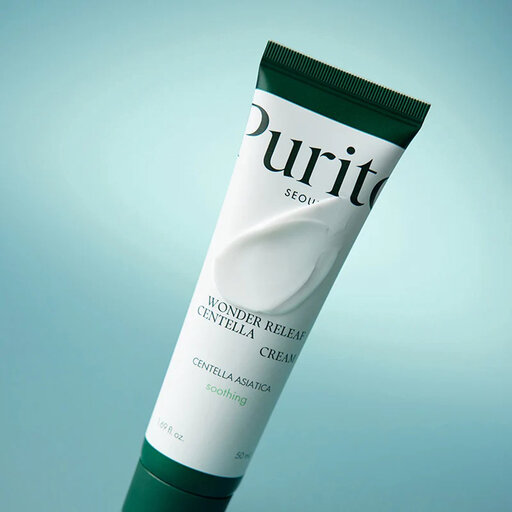
Why it suits this profile: An everyday 50 ml cream with a vegan formula and a lightweight, fast-absorbing texture. The product information says it can be used on dry, sensitive, normal and blemish-prone skin, among other skin types.
The product description says it contains no mineral oil, fragrance, parabens, PEG, alcohol or silicones. Check the current packaging when you buy it.
50 ml, vegan according to the product information, with a lightweight texture for everyday use.
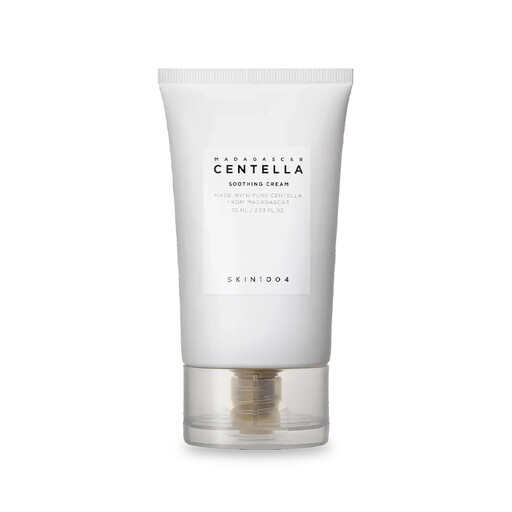
Why it suits this profile: A good choice if you’re looking for a classic cream focused on centella, hydration and supporting the skin barrier.
The product information provided lists 72% Centella asiatica and ceramide. Check the full INCI list too, so you can decide whether the formula suits your preferences.
75 ml, with centella and ceramide according to the product description. Its texture is described as refreshing and non-greasy.
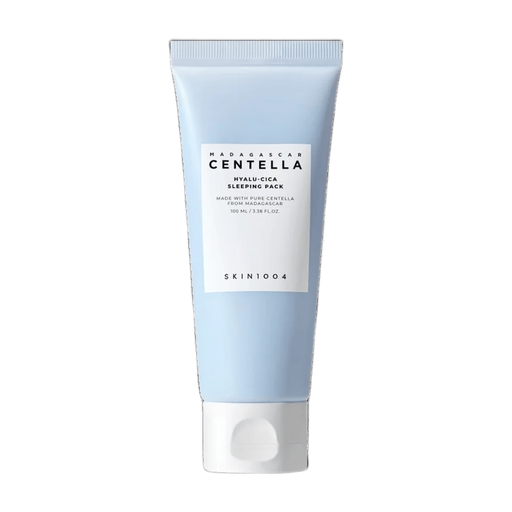
Why it suits this profile: For anyone who wants to add an extra hydrating step to their evening routine without rinsing off a separate mask.
The instructions say to apply a thin layer as the final step in your evening routine, without rinsing it off. This makes it clearer how to use than a product with vague mask instructions.
100 ml; contains centella, several forms of hyaluronic acid, panthenol and ceramide NP according to the ingredients list.
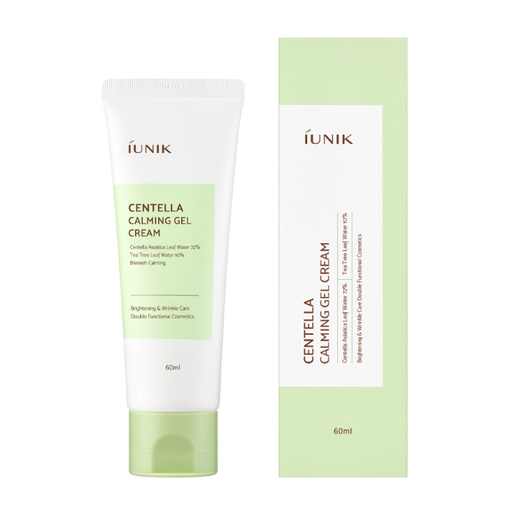
Why it suits this profile: This gel cream is designed for a lightweight, non-sticky routine on oily, combination or acne-prone skin.
The product information describes a fast-absorbing gel texture that doesn’t feel heavy or greasy. According to iUNIK’s own research, the product has been clinically tested; this is a brand claim, not a guarantee for every skin type.
60 ml, with centella, niacinamide and tea tree according to the product description. The formula is described as vegan-friendly.
We’ve put together a complete, up-to-date list of products that meet these strict selection criteria and the applicable European safety regulations.
Centella is often chosen for gentle Korean skincare, but every skin is different. Check the full INCI list and look out for fragrance, essential oils and any other ingredients you’re sensitive to. Start with one new product at a time.
Yes, an ampoule is usually applied after cleansing and before your cream. Apply the thinner texture first, then finish with a moisturiser. Avoid adding several new active products at once, so it’s easier to identify the cause if you have a reaction.
Check the expiry date, the period-after-opening symbol and the batch information on the packaging. Store the cream according to the instructions, usually in a cool, dry place away from direct sunlight. Has its smell, colour or texture changed? It’s best not to use it.
