
Cooking with a large soup pan
You’re cooking celeriac for several neighbours and want to blend it in the pan without transferring the soup. Bosch Netherlands describes blending in the pan as a use for a hand blender.


If you’re already cooking celeriac soup in a large pan, a hand blender is a practical choice: you can blend it in the pan without having to transfer the soup. Choose a jug blender only if the exact model is suitable for the temperature of your soup and its usable capacity suits your portions. A soup maker can take care of the cooking too, but you may need several batches for a neighbourhood meal.
You’re cooking celeriac for several neighbours and want to blend it in the pan without transferring the soup. Bosch Netherlands describes blending in the pan as a use for a hand blender.
You’d rather process the soup in batches and want to know how much fits in the jug at a time, and whether the model can handle the soup’s temperature. The Consumers’ Association emphasises that a jug must be heat-resistant for soup.
You’re looking for an appliance that can cook the soup as well as blend it, and you’re prepared to make several batches if the quantity exceeds the jug’s capacity.
A good fit when: the soup is already in a large cooking pan and you want to blend it there.
Trade-off: you won’t need to transfer the soup, but you’ll need to hold the blender while blending.
A good fit when: you’d rather work in batches in a jug and the manufacturer says it’s suitable for soup at your desired temperature.
Trade-off: you’ll need to transfer the soup and match the usable jug capacity to your portions.
A good fit when: you want to cook the vegetables in the appliance too and have time to make several batches if needed.
Trade-off: usable capacity varies by model; the stated capacity isn’t a measured yield for this recipe.
Start with how you’ll prepare the soup: blending it in the pan avoids transferring it, while using a jug means checking the temperature and usable capacity. Bosch Netherlands and the Consumers’ Association describe these differences in use.
| What to consider | What should you look for? | Who should bear this in mind? |
|---|---|---|
| Blending soup in the pan | Choose a method that avoids transferring the soup unnecessarily. If you’re using a hand blender, also check the grip and cord length. | If I’m making a large pan for several neighbours, I’d prefer to blend the soup in that pan. Around 36% of consumers say that blending in the pan is their main concern when buying. |
| Suitable temperature | Check the manual for the exact model for the permitted temperature, fill level and operating instructions. | If I want to blend the soup while it’s hot, I want to know first whether this model allows it at that temperature. Around 29% of consumers cite temperature suitability as their main concern when buying. |
| Desired blended texture | Compare the controls and blending function; wattage alone doesn’t prove what results you’ll get with this recipe. | If the texture of the cooked celeriac is my priority, I look at the controls and relevant information about blending. Around 21% of consumers put blending results at the top of their list. |
| Cleaning and accessories | Check which parts can be removed and follow the cleaning instructions for each part. Choose accessories for tasks you’ll actually use them for. | If I want to clean the appliance quickly after eating or use it for other recipes too, I look at its parts and accessories. Around 14% of consumers make maintenance and other uses their main concern when buying. |
Tefal states that the Perfectmix Cook BL83SD30 has a total capacity of 2 litres and a usable capacity of 1.75 litres. Planning based on the total capacity could mean you need more batches than you expected.
Use the usable capacity of the exact model when planning.
The permitted temperature depends on the model. For models HR3756/00, HR3752/00 and HR3868/00, Philips says that only cold or room-temperature ingredients may be put in the jug.
Before filling the jug, check the instructions for your model and the temperature of the soup.
Accessories have their own capacity and purpose. Tefal states that the chopper for the Quickchef HB659838 has a capacity of 500 ml; it isn’t a soup jug.
First decide whether you want to blend the soup in the pan, and choose extra attachments only for additional tasks.
The ErgoMaster range offers a hand blender option for anyone who wants to blend soup in the pan, as Bosch itself describes for this product line.
The MultiQuick 5 MQ50236M is a hand blender option with adjustable controls.
Tefal offers both a hand blender option with the Quickchef HB659838 and a heated jug blender with the Perfectmix Cook BL83SD30.
The refurbished SoupMaker HR2204/80R1 offers a cook-and-blend option.
This selection includes blenders for making batches in a jug and a hand blender set with a blending foot for soup. Always check the instructions for the exact model before using it with hot ingredients.
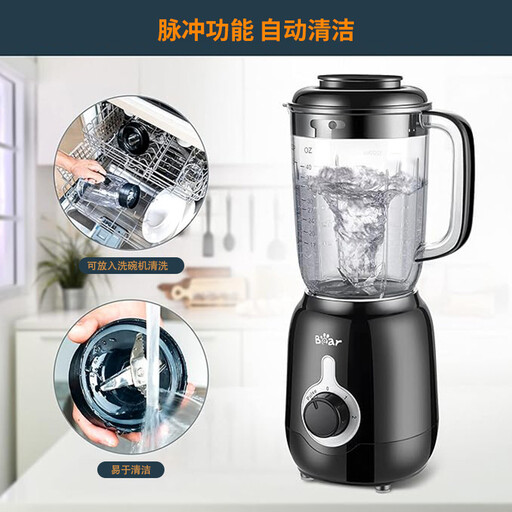 No image available
A jug blender option if you want to blend the soup in batches; allow for several batches if you’re making a larger quantity.
Stated capacity: 1.2 litres. Power: 500 W. Two speeds and a pulse function. The instructions specify a minimum of 300 ml of liquid.
 No image available
The jug capacity suits small batches; for a larger neighbourhood meal, allow for several batches.
Power: 250 W. Glass jug: 500 ml.
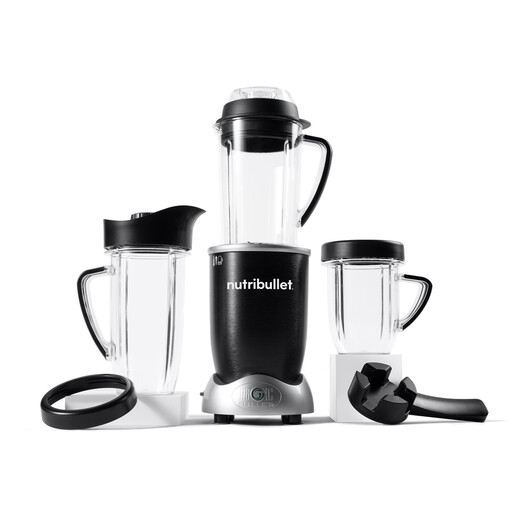 No image available
The product information mentions a soup programme and a jug for hot ingredients. Check the model instructions for the temperature and quantity you want to process.
Power: 1700 W. The jug for hot ingredients has a stated capacity of 1 litre; allow for several batches if needed.
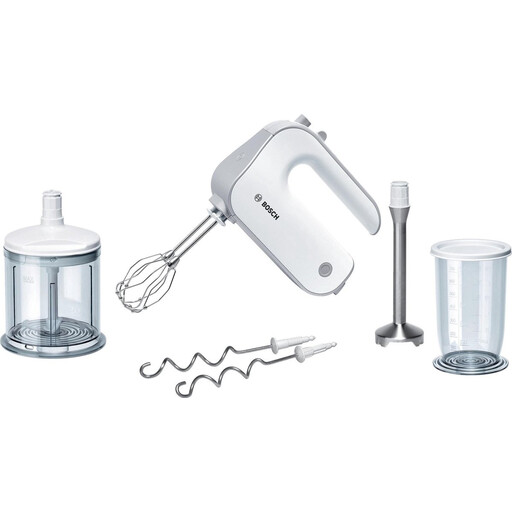 No image available
The product description mentions a blending foot for soups and sauces, so you can blend in the pan. Check the temperature instructions for this foot before you start.
Power: 500 W. Five speeds and a turbo function. The product instructions say that hot liquid must first cool to at least 80 °C; check the precise operating limit in the manual.
No. First check that the jug is suitable for the temperature of your soup. The Consumers’ Association says that blending soup in a jug requires a heat-resistant jug; Philips specifies that only cold or room-temperature ingredients may be used in models HR3756/00, HR3752/00 and HR3868/00. Follow the instructions for the exact model.
No, you don’t need a chopper to blend soup. You can use a hand blender in the pan; a chopper is designed for separate chopping tasks. Check which attachments come with the model you choose.
You can clean a removable foot separately. Check the manual for each part before putting it in the dishwasher, and don’t immerse the motor unit in water.
The Netherlands Nutrition Centre advises cooling leftovers quickly, storing them covered in the fridge or freezer, and not leaving them out of the fridge for more than two hours.
This depends, among other things, on how the meal is offered. The NVWA sets out requirements for selling food from home and at events; businesses offering food to consumers must provide allergen information. The NVWA lists celery as an allergen. Ask guests about allergies and first establish whether the meal is being sold or shared privately.