
Vandaag of morgen in huis

Kwaliteit gegarandeerd

Welkomstaanbiedingen ontgrendelen: GRATIS bezorging | Tot 80% korting | Gratis 30 dagen JoyPlus-proefperiode
Download de app
A ceiling fan without a light is more than just a functional appliance; it's a design element that brings tranquility and comfort to a space. Unlike models with integrated lighting, these fans offer a sleek, minimalist look that blends seamlessly into modern interiors. But navigating the options can be tricky. Many models promise silence and performance but fall short in practice. Let's explore the most common pitfalls and identify what you truly need to look for.
The 2 pitfalls of buying a ceiling fan:
To avoid buyer's remorse, it's crucial to look beyond marketing claims. Pay attention to the following three technical specifications that define a ceiling fan's quality and performance.
The motor is the heart of the fan. The choice between an AC (alternating current) and a DC (direct current) motor significantly impacts performance and comfort.
The fan's size should be proportional to the room. A fan that is too small has to work harder, creating noise, while one that is too large can create an unpleasant draft.
Effectiveness is measured in CMM (Cubic Metres per Minute). A higher CMM number indicates more powerful airflow.
The blade material affects both the fan's appearance and its durability.
Based on these objective criteria, we have selected a few models that suit different living needs and styles.
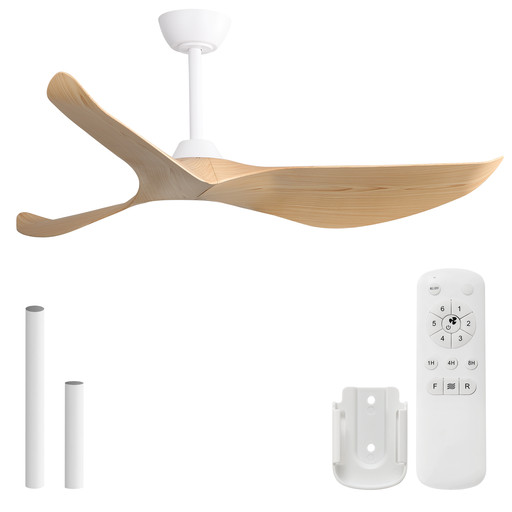
Why it's a match: With a 96 cm diameter, this model is ideal for smaller bedrooms or a home office. The white finish ensures a calm and unobtrusive presence.
The fan is equipped with a DC motor, which counters the "silent motor" myth by delivering genuinely quiet operation, essential for an undisturbed night's sleep.
The ABS blades are moisture-resistant and won't warp, ensuring a long lifespan and consistent performance.
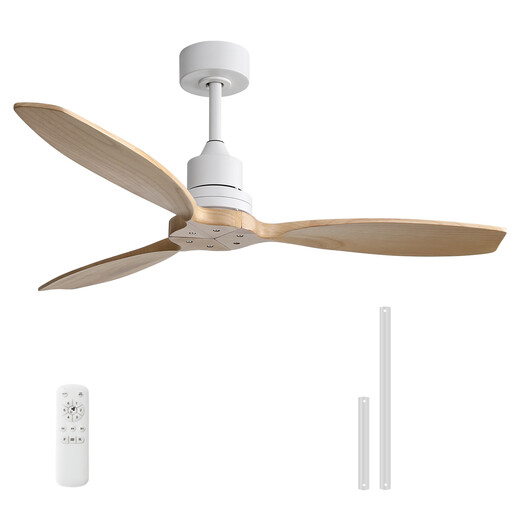
Why it's a match: Perfect for those looking to create a natural and warm ambiance. The combination of a white motor housing and solid wood blades fits well in Scandinavian or rustic interiors.
This model uses solid wood blades instead of cheap MDF, avoiding the risk of warping and ensuring the fan maintains its balance and quiet operation.
The 132 cm diameter provides effective air circulation in standard living rooms, while the DC motor delivers quiet, energy-efficient performance.
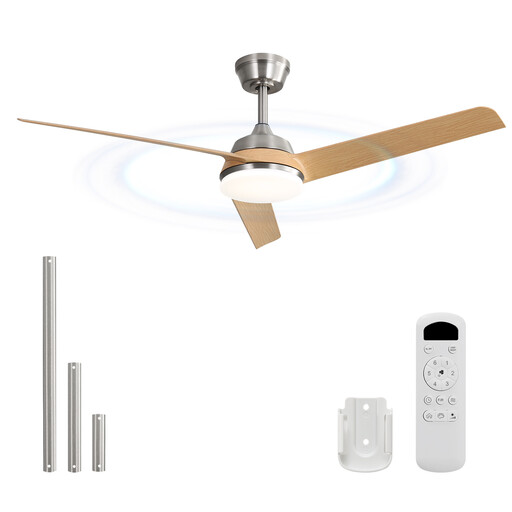
Why it's a match: The brushed nickel finish and sleekly designed ABS blades make this an excellent choice for an industrial or modern interior. It's a true design statement.
This model combines a strong design with durable materials. The ABS blades are not only stylish but also functional and wear-resistant, sidestepping the 'design over durability' pitfall.
The reversible DC motor not only offers 6 quiet speeds for summer but also a winter mode that circulates warm air downwards for added comfort and energy savings.
Proper installation is essential for the safe and quiet operation of your ceiling fan. An unstable or unlevel mounting can cause vibrations and noise. For a DIY enthusiast, it's important to have the right tools on hand. These include:
Proper preparation is half the battle. Make sure you have the right equipment for a safe and successful installation.
1. How much does it cost to run a ceiling fan? A modern ceiling fan with a DC motor is very energy-efficient. On its lowest setting, it often consumes only 3-5 Watts, and on the highest setting, around 30-35 Watts. This is significantly less than an air conditioner and comparable to charging a laptop.
2. Can I install a ceiling fan myself? For a handy DIY enthusiast with basic electrical knowledge, this is generally a manageable task. Always follow the included instructions carefully. The key steps are shutting off the power at the circuit breaker, securely attaching the mounting bracket to a ceiling joist, and correctly connecting the wiring. When in doubt, it is always wise to hire a qualified electrician.
3. What is the difference between summer and winter mode? Most ceiling fans with a DC motor have a reversible function. In summer mode, the blades turn counter-clockwise, pushing air down to create a cooling breeze. In winter mode, they turn clockwise. This pulls cool air up and pushes the risen warm air down along the walls, making the room feel warmer and helping you save on heating costs.
