
Cooking soup in a pan
You want to blend cooked cauliflower soup without transferring it, and have fewer parts to wash up after lunch. The Consumentenbond advises switching on the hand blender only once its blending foot is in the pan or bowl.


If you’re already cooking your cauliflower soup in a pan, a hand blender is the most straightforward choice: there’s no need to transfer the soup. A blender jug may suit you if the manual allows you to blend hot soup and its filling limit and steam vent are right for your portion. A soup maker is worth considering if you also want to cook the soup using a programme. The stated jug capacity doesn’t automatically tell you how much hot soup you can blend, so always check the instructions for the exact model.
You want to blend cooked cauliflower soup without transferring it, and have fewer parts to wash up after lunch. The Consumentenbond advises switching on the hand blender only once its blending foot is in the pan or bowl.
Consider how well an appliance blends vegetables and whether its usable capacity suits your lunch portion; wattage alone doesn’t tell you everything. The Consumentenbond includes blending vegetables in its blender tests.
You want one appliance to prepare or heat the ingredients, so portion size and cleaning are important factors. Philips lists programmes for smooth and chunky soup on its SoupMaker HR2203/80.
Choose this if: the soup is already in the pan and you want to blend it without transferring it.
Bear in mind: you control the blender yourself; place the foot in the soup first to reduce splashing.
Choose this if: you’d also like to use a blender jug for other recipes and the manual explicitly allows hot soup.
Bear in mind: you’ll need to transfer the soup and follow the instructions for steam, the lid and starting speed.
Choose this if: you want to prepare the ingredients in the appliance and use its soup programme.
Bear in mind: check the usable capacity for hot soup, and allow for extra storage space and cleaning.
| What to consider | What should you check? | Who should pay particular attention? |
|---|---|---|
| Blending without transferring the soup | Check whether the blender foot is detachable and whether the manual explains how to use it in your pan. | If I make soup in a saucepan, I want to blend it there and have few separate parts to wash afterwards. Around 36% of consumers prioritise blending soup in the pan. |
| Handling hot soup safely | Read the instructions for hot liquids, the lid or cap, starting speed and filling limit for the exact model. | When blending hot soup, I want to know how to reduce splashing and manage steam in line with the model’s instructions. Around 29% of consumers prioritise blending hot soup safely. |
| Texture and lunch portion | Compare information on blending vegetables and check the permitted capacity for hot contents. | For a smooth soup, I want to know whether the appliance blends vegetables well and suits my portion size. Around 21% of consumers focus mainly on texture and capacity. |
| Automatic cooking and cleaning | Check whether the model heats ingredients, which soup programme it has and how to clean its parts. | If I also want to prepare soup in the appliance, I’m looking for a programme that suits the way I cook. Around 14% of consumers prioritise automatic soup preparation. |
The permitted temperature, steam venting and starting speed depend on the instructions for the exact model.
Before use, check whether the manual allows hot liquids and follow the recommended method.
The stated jug capacity doesn’t automatically tell you how much hot soup you can safely blend at once.
Compare your lunch portion with the filling instructions for hot contents. If the permitted amount is smaller, you may need to blend the soup in batches.
Preparing several batches can mean extra time and washing up.
A chopper, whisk or soup programme gives you more options, but it’s only useful if it suits the way you cook beyond blending soup.
Start with how you cook: blending in the pan, chopping and whisking too, or preparing ingredients automatically.
Extra parts also need storage space and must be cleaned according to the model’s instructions.
The Consumentenbond notes that power isn’t everything, and assesses blenders on factors including how well they blend vegetables.
Compare performance tests where available, and also check that the permitted portion size and instructions suit your soup.
The ErgoMaster MSM4B610 is a hand blender for anyone who wants to blend soup in the pan.
Philips offers both hand blenders and the separate SoupMaker HR2203/80 for anyone looking for a soup preparation programme.
The Perfectmix Cook BL83SD30 is a heated blender for preparing hot and cold recipes in a jug.
Worth considering if you’re thinking about a blender jug and want to check the instructions for hot ingredients.
The MultiQuick 5 MQ50236M is worth considering if you’d like accessories for other kitchen tasks as well as blending soup.
This selection includes hand blenders for blending in the pan and blender jugs for soup. For hot contents, always check the instructions for the exact model.
 No image available
The product information lists soup as a use; for hot ingredients, it recommends small batches in a heat-resistant container.
Detachable stainless steel blending foot, chopper, whisk and measuring beaker.
 No image available
The product information lists soup as a recipe for the blending jug; check the manual before blending hot soup.
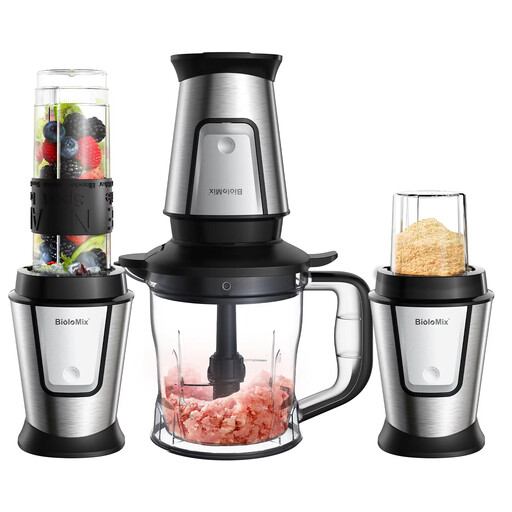
1.500 ml glass blending jug, 600 ml travel bottle and 300 ml chopper cup.
 No image available
The product information lists soup as a use; check the model-specific instructions before using the jug with hot contents.
700 W motor and stated speed of 24.000 rpm.
 No image available
The product information lists a heat-resistant glass jug for hot and cold recipes; follow the manual for soup and filling limits.
1.200 W power and 1,5 L jug capacity.
 No image available
The product information lists soup and purée as uses; check the manual before blending hot soup.
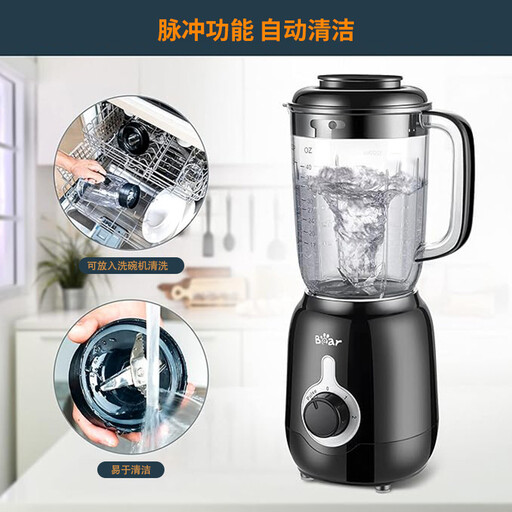
1,2 L jug capacity, 500 W power and two speeds with pulse function.
No, don’t assume you can. Check the model’s instructions to see whether hot liquids are allowed, and follow the recommended filling limit, cap and starting speed. For the blender use described, KitchenAid recommends a vented cap and a low starting speed.
The Consumentenbond’s usage tip is to switch on the hand blender only once its foot is in the pan or bowl. Also follow the safety instructions for your chosen model.
This varies by model and part. Unplug the appliance after use and check the manual before putting any part in the dishwasher.
In the Netherlands, you can claim under the statutory guarantee from the retailer if the product doesn’t meet the standard you could reasonably expect during normal use. ACM ConsuWijzer says the retailer must then put things right free of charge by repairing or replacing the product, or refunding you where appropriate. There is no single fixed statutory guarantee period for all products.
For distance purchases from a business, you usually have a 14-day cooling-off period, according to the Dutch Government. Check the applicable terms and exceptions; an online purchase from a private seller isn’t covered by the same distance-selling rules.