
Vandaag of morgen in huis

Kwaliteit gegarandeerd

Welkomstaanbiedingen ontgrendelen: GRATIS bezorging | Tot 80% korting | Gratis 30 dagen JoyPlus-proefperiode
Download de app
An appealing pouch or promising flavour does not tell you enough about cat food. When buying cat food and cat treats, people often focus mainly on chicken, fish, beef or an attractive offer. However, the most important information is usually in a less noticeable place: the nutritional status, life stage, ingredients and feeding guidelines.
The wrong choice can lead to unnecessary costs, food waste or a cat that refuses to eat its food. With these checks, you can compare wet cat food, dry cat food and complementary treats in a practical way.
Not every product is intended as a daily meal. The packaging usually states whether it is complete cat food or complementary pet food. A complete product is formulated to provide daily nutrition for the stated life stage. A complementary treat is intended as an extra, reward or topper.
For example, INABA Churu Cat Tuna states that it is a complementary product and does not replace a complete meal. According to the product information, the treat contains 91% moisture and approximately 6 calories per stick. This can be useful as a cat treat or topper, but the recommended amount of 1 to 2 sticks per day for adult cats must be counted alongside their regular food.
A flavour name does not always indicate how much of that ingredient is present. Always check the full ingredients list. For example, Purina One Sensitive Adult Wet Cat Food Chicken Flavor Pouch lists chicken as 4% of the composition, alongside meat and animal derivatives, fish products and other ingredients.
The same applies to cat food with beef or cat food with fish. A product may be suitable for a cat that enjoys beef or fish, but that does not automatically mean it consists mainly of that one animal source.
A 2 kg bag may seem good value, but only if your cat accepts the food well and the packaging is properly resealed. Wet food is often portion-packed, while dry food should be kept dry and airtight after opening. When trying a new flavour, a small pack or multipack is often a sensible first step.
When shopping online, also check the net contents, the number of pouches or tins and the daily feeding guidelines. This allows you to compare not only the price per pack, but also the price per meal.
Choose food that suits your cat’s age and circumstances:
Wet food generally has a higher moisture content than kibble. This makes wet cat food appealing to owners who want to include more moisture in their cat’s daily diet. It is not a reason to stop providing fresh drinking water.
INABA Churu Cat Chicken lists a moisture content of 90.5%. INABA Fun Bites Cat Chicken Wraps Tuna lists 93% moisture and, according to the product description, can be given as a complementary treat or added to regular food. However, both are complementary products, not substitutes for complete food.
Cat soup works in the same way: Felix Soup Fish Wet Cat Food is intended as a supplement to a balanced diet. The product information recommends one pouch per 4 kg of body weight per day. Always check the packaging and take the total amount of additional food into account.
At a minimum, compare the following information:
With mixed feeding, you should assess the amount of wet and dry food together. According to some packaging, one pouch of wet food may replace a certain amount of kibble, but this ratio varies by brand and product variant.
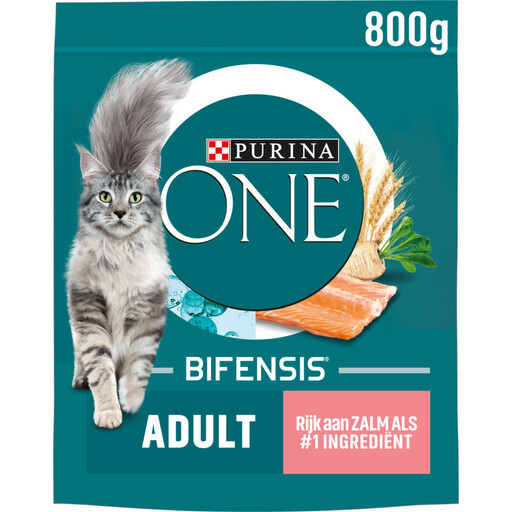
Why it suits this profile: An 800 g pack is a manageable size for anyone who wants to try dry cat food first and measure out the daily portion easily.
The product information states that this is complete food for adult cats. However, check the latest feeding guidelines on the packaging.
Dry food with salmon listed as the first ingredient according to the product description, plus a practical 800 g pack size.
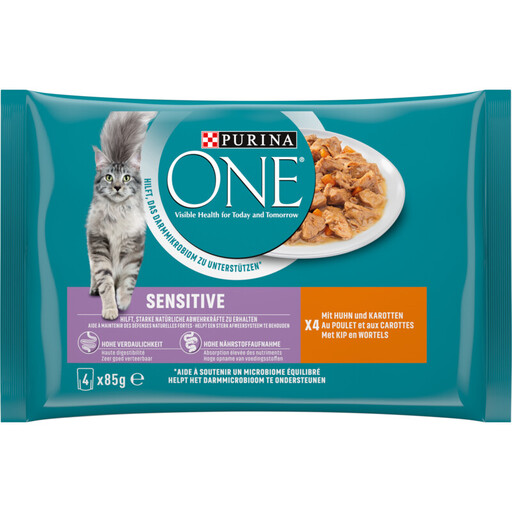
Why it suits this profile: Suitable for owners looking for wet cat food in portion pouches who want to check the ingredients for each meal.
The packaging explicitly states that this is complete food for adult cats. The ingredients list also shows that “chicken” is not the only component.
According to the product details, it contains 78% moisture, 12.5% crude protein and 4% fat.
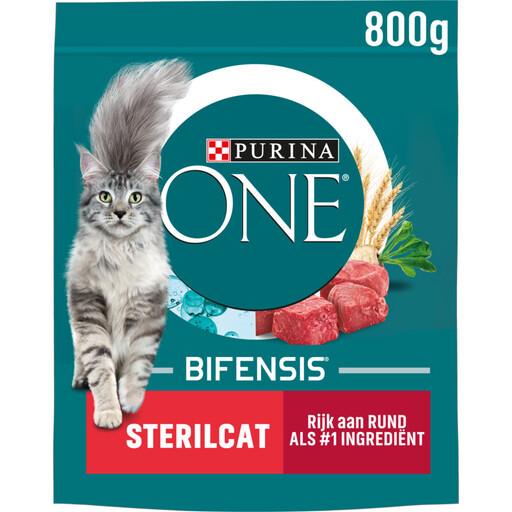
Why it suits this profile: Designed for owners of sterilised or neutered adult cats who are looking for a product with specific feeding guidelines.
The packaging presents it as complete food for sterilised adult cats and provides portions for different weight categories.
The product details state 37% crude protein, 13% fat and adjusted portions of 35 to 85 g per day, depending on body weight.
Mix the new food gradually with the familiar food. Start with a small amount and increase it over several days. Monitor your cat’s appetite, stools and body condition. Stop if clear problems occur and ask a vet for advice.
Store dry food in its original, tightly sealed packaging in a cool, dry place. Opened wet food should be covered and kept in the fridge, and used within the timeframe stated in the product instructions. Treats such as Churu should be refrigerated after opening and used within 24 hours.
We have put together a complete, up-to-date list of products that fully meet these strict selection criteria and the applicable European safety regulations.
Complete cat food is intended as daily nutrition when given according to the stated portions. A cat treat, cat soup or hydrating cat treat is usually complementary. Check the legal designation on the packaging before using a product as a main meal.
Wet food generally contains more moisture, while dry food is easy to portion and store. The right choice depends on your cat’s preferences, the nutritional composition and how you want to divide up the daily portion. Fresh drinking water should always be available.
Follow the manufacturer’s guidelines and adjust the main meal if necessary. INABA Churu recommends 1 to 2 sticks per day for adult cats. The exact amount also depends on weight, activity level and body condition.
