
Vandaag of morgen in huis

Kwaliteit gegarandeerd

Welkomstaanbiedingen ontgrendelen: GRATIS bezorging | Tot 80% korting | Gratis 30 dagen JoyPlus-proefperiode
Download de app
A bag of cat treats might seem like an easy choice. But treats can vary considerably in ingredients, texture, moisture content, portion size and intended use. Whether you want to reward your cat, add a little variety or use a treat as a food topper, the flavour name alone won’t tell you everything you need to know.
The most common purchasing mistakes are:
The packaging will state whether the product is complete food or complementary food. Complementary cat treats are intended to be given alongside your cat’s usual food. Follow the recommended amount and reduce the main meal if necessary.
Check the age guidance, too. Some products are suitable for adult cats, while others can be given from a specific age. According to the product information, Catisfactions Chicken is for adult cats and kittens from 8 weeks old. Vitakraft Liquid Snack Chicken is described as suitable for cats from 3 months old.
Take extra care with portion sizes for kittens. A small body can tolerate less extra food than an adult cat.
The form determines how you can use the treat:
A high moisture content doesn’t mean a treat is a complete substitute for drinking water or wet food. According to the product description, Rosewood Cat Snack Salmon Flavour has a high moisture content and can be used as a topper. Once opened, it should be kept refrigerated and used within five days.
Salmon, chicken and beef cat treats appeal to different preferences, but check the full ingredients list, too. A flavour name doesn’t always mean that the product is made entirely from that type of meat.
According to the product information, Whiskas Temptations Salmon Flavor contains, among other ingredients, cereals, vegetable by-products, oils and fats, meat and animal by-products, and vegetable protein extracts. The treat has a crunchy outside and a soft salmon filling. The stated maximum amount is 12 pieces a day for adult cats.
Also check:
Claims about a specific effect should be interpreted with care. According to information from g'woon, Anti-hairball Treats are intended to help reduce hairballs. This is a product claim from the brand, not a guarantee for every cat. If symptoms persist or your cat has particular dietary needs, it’s best to consult a vet.
The following selection is based on verifiable product information, such as form, pack size, age guidance, flavour and usage instructions.
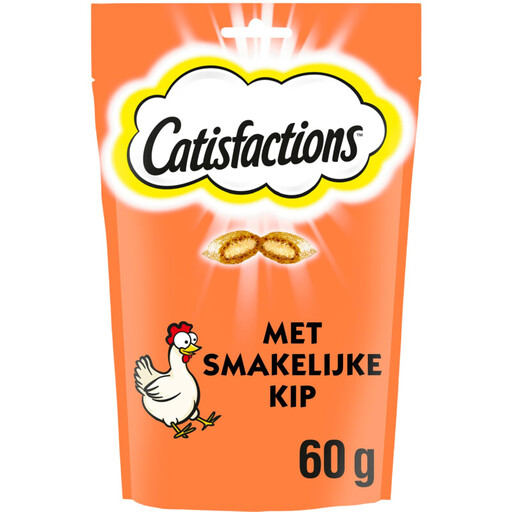
Why it suits this profile: A familiar crunchy treat with a soft chicken filling, ideal for everyday rewards in small portions.
The product information states that this is complementary food and gives an age recommendation of 8 weeks and over. This makes it clear that the treat isn’t a replacement for a main meal.
Crunchy outside, soft chicken filling and a 60 g pack. According to the description, store in a cool, dry place.
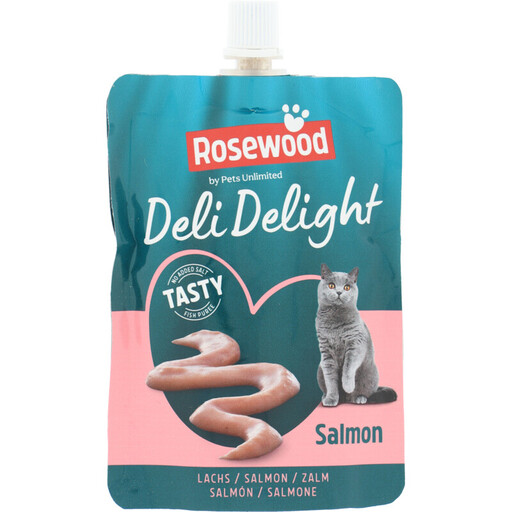
Why it suits this profile: A soft purée for cats that prefer licking to chewing, or for owners looking for a food topper.
The product description highlights its high moisture content, easy portioning and use as a topper. This means the treat isn’t limited to just one mealtime.
33% salmon and 6% tuna according to the ingredients, with no added salt or sugar. Once opened, keep refrigerated and use within five days.
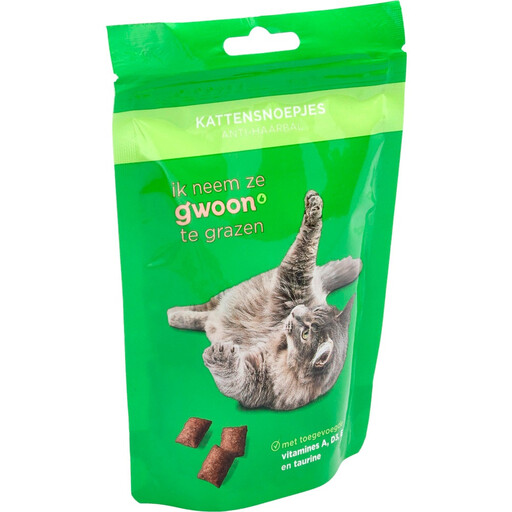
Why it suits this profile: Designed for owners looking for a treat that fits into their cat’s hairball-care routine.
The feeding instructions recommend 5 to 10 treats a day, depending on your cat’s weight. This gives you clearer guidance on portions than relying on the ‘anti-hairball’ claim alone.
According to the specifications, it contains at least 4% lignocellulose, with 30% crude protein and 20% crude fat. Fresh water should always be available.
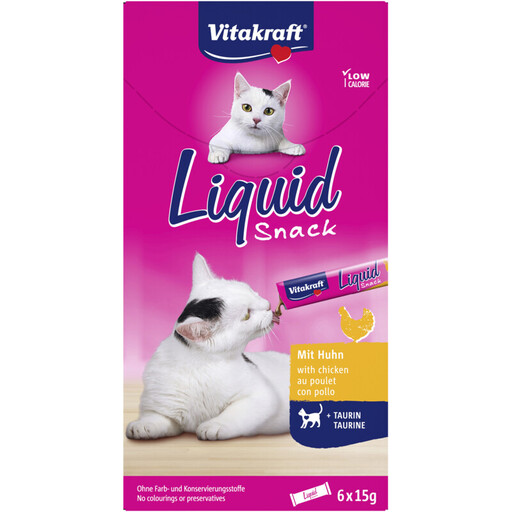
Why it suits this profile: The 15 g portions can be served as a standalone treat or a topper, or frozen for a cool treat.
The recommendation is a maximum of one portion a day. This gives you clearer guidance than treats labelled simply ‘as required’.
According to the product information, it’s suitable for cats from 3 months old. The liquid can be served over wet or dry food.
We’ve put together a full, up-to-date list of products that meet these strict selection criteria and current European safety regulations.
It depends on the product, your cat’s weight, age and activity level. Always follow the feeding instructions on the packaging. If necessary, deduct the calories in treats from your cat’s daily food allowance. Treats should remain a small part of your cat’s diet.
Age guidance varies between liquid treats, so check the label. According to the product information, Vitakraft Liquid Snack Chicken is suitable from 3 months old. For younger kittens or cats with specific dietary needs, it’s best to consult a vet.
No. An anti-hairball product may have a particular formulation and feeding instructions, but its effect varies from cat to cat. According to information from g'woon, Anti-hairball Treats are intended to help reduce hairballs. Keep an eye on any symptoms and ask a vet for advice if problems recur or become severe.
No. According to the product information, Purina DentaLife is intended for daily dental care and has a crunchy, porous texture. The manufacturer cites a reduction in tartar build-up based on its own research. Treat this as product information, not a guarantee. Follow the instructions and speak to a vet about any ongoing dental problems.
