
Vandaag of morgen in huis

Kwaliteit gegarandeerd

Welkomstaanbiedingen ontgrendelen: GRATIS bezorging | Tot 80% korting | Gratis 30 dagen JoyPlus-proefperiode
Download de app
A bag of cat treats can seem like a quick choice. Yet cat treats vary widely in composition, moisture content, calories, age suitability and usage. A crunchy treat, for example, isn't automatically right for a cat that doesn't drink much. And a product with a functional claim doesn't replace complete nutrition or veterinary advice.
With this practical selection guide, you can focus on verifiable information rather than just flavour claims.
The packaging usually states whether it is complementary pet food or complete pet food. Complementary cat treats are intended as a reward or extra. They should not fully replace wet cat food or dry cat food.
A complete meal, such as some varieties of Gourmet or Felix, is formulated differently. Always check the legal product description and feeding instructions.
Terms like "hydration", "anti-hairball" and "dental care" sound specific, but they don't tell the whole story. According to the product information from INABA, certain liquid treats contain a lot of moisture. That makes them suitable as an extra source of hydration, but they don't replace fresh drinking water.
With G'woon Anti-hairball, the product information states a minimum of 4% lignocellulose. The product is offered for hairball control, but the effect can vary from cat to cat. For Purina Dentalife, the manufacturer claims a reduction in tartar build-up based on its own research. That is a brand claim, not a guarantee for every cat.
A small bag of cat treats can seem cheaper than a multipack, while the price per portion tells a different story. So compare:
A liquid cat treat is often refrigerated after opening and used quickly. That affects how much you practically get from a pack.
Only choose a cat treat for adult cats when your cat is fully grown and the label indicates it. Some cat treats for kittens are suitable from as young as 8 weeks, such as Catisfactions Salmon and Cheese according to the product description. Vitakraft Liquid Snack Chicken is intended for cats from 3 months old according to the product information.
Also watch out for exceptions. Whiskas Cat Sticks Beef are not recommended for kittens according to the label. When in doubt, age, weight and the full feeding guideline are more important than the flavour on the front.
Look at the ingredients list from top to bottom. The ingredients with the highest proportion are generally listed first. Also pay attention to:
INABA Bisque Tuna contains 86% moisture and 30% tuna according to the product information. INABA Churu Cat Chicken states 90.5% moisture and 6 calories per stick. These details are useful for comparing products, but always follow the current packaging.
Crunchy cat treats are easy to portion, while sticks and liquid treats can be suitable as a topper or hand-fed reward. A soft treat isn't automatically right for every cat: supervise during eating to help prevent choking.
Storage advice varies after opening:
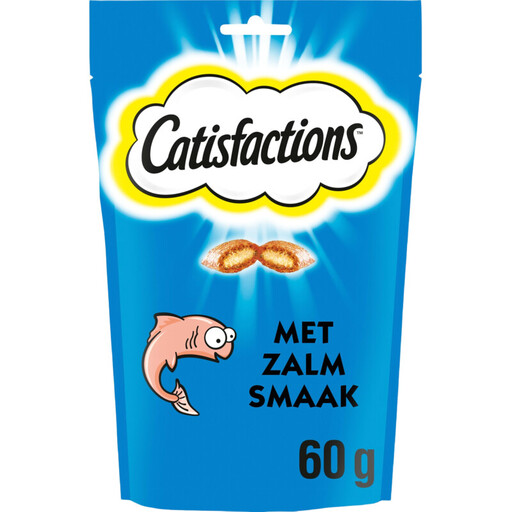
Why this fits the profile: The pack contains 60 grams and the treat is suitable for adult cats and kittens from 8 weeks according to the product description. The crunchy outside and soft filling make small rewards easy to portion.
The product information states fewer than 2 calories per piece and no artificial colours, preservatives or flavourings. Check the current packaging for the daily amount.
Salmon variety, small portions and resealable packaging according to the product description.
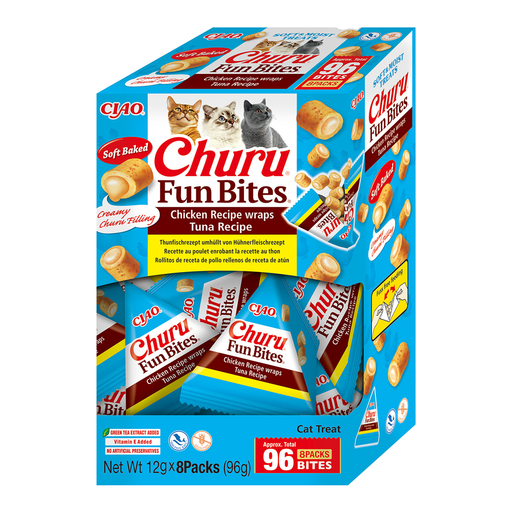
Why this fits the profile: This complementary treat offers four varieties according to the product information: chicken, tuna, scallop and salmon. With 93% moisture, it can suit owners looking for variety and extra hydration in one portion.
The high moisture content is clearly stated: 93%. The treat is not presented as a replacement for complete nutrition, and fresh drinking water remains necessary.
146 gram content, four flavours and 10% crude protein according to the product information.

Why this fits the profile: This treat is aimed at daily cat dental care for adult cats. The product information mentions a crunchy, porous texture and a recommended amount that depends on weight.
The manufacturer states a reduction in tartar build-up based on its own research. Treat this as product information, not a guarantee or replacement for dental check-ups.
Salmon variety, 40 gram content and calcium and taurine according to the product information.
We've put together a full, up-to-date list of products that fully meet these strict selection criteria and comply with current European safety regulations.
For a liquid cat treat, you can compare INABA Bisque Tuna, INABA Churu Tuna, INABA Churu Chicken or Vitakraft Liquid Snack Chicken. Pay particular attention to moisture content, content per portion and storage time after opening.
If you're specifically looking for cat treats with chicken, cat treats with tuna or cat treats with salmon, it's a good idea to check the actual amount of the named ingredient. A flavour name doesn't always mean that ingredient has the highest proportion.
For anti-hairball cat treats, G'woon recommends a guideline of around 5 to 10 treats per day, depending on weight. Adjust the main food accordingly and stop if you notice any unwanted reactions. If hairballs persist, it's wise to consult a vet.
Keep treats to below roughly 10% of daily calorie intake, unless the packaging gives a different guideline. Reduce the main meal if necessary. Weight, age, activity level and the type of treat determine the appropriate amount.
That varies by product. Catisfactions Salmon and Cheese are suitable from 8 weeks according to the product information. Other products are intended only for adult cats. Always check the age indication and give small portions under supervision.
No. A complementary cat treat is intended as an extra and doesn't automatically contain all the nutrients for a daily meal. Use complete food as a base and give treats in measured amounts as a reward, for variety or as a topper.
