
Vandaag of morgen in huis

Kwaliteit gegarandeerd

Welkomstaanbiedingen ontgrendelen: GRATIS bezorging | Tot 80% korting | Gratis 30 dagen JoyPlus-proefperiode
Download de app
A bag of cat treats can seem like a quick purchase. However, there are clear differences in ingredients, calories, texture and how they should be used. A crunchy cat biscuit for in-between times, for example, isn't automatically suitable for a cat with a sensitive stomach. Equally, a large pack can be inconvenient if your cat goes off the flavour after a few days.
When buying, pay particular attention to three common pitfalls:
If you're looking for cat treats with chicken, cat treats with salmon or cat treats with beef, it's worth reading the ingredients list. Ingredients are usually listed in descending order by quantity. Also look for a specific percentage, such as "18% chicken" or "50% salmon".
A flavour variant is not the same as a product that consists mainly of that animal ingredient. For example, Whiskas Cat Sticks Salmon states, according to the product information, 50% salmon within the category of fish and fish by-products. Whiskas Cat Sticks Beef Flavour states, according to the label, 80% beef within meat and animal by-products. These are verifiable details that tell you more than just the name on the front.
Crunchy treats, soft sticks, liquid treats and dried fish strips each have a different use:
Check the energy content if your cat gains weight easily. Catisfactions Chicken, for example, states less than 2 kcal per portion according to the product description. For other treats, the value is given per 100 grams, such as 411 kcal per 100 grams for Whiskas Temptations Beef. Portion size therefore remains important.
Many products are intended for adult cats, while some treats are suitable from a certain age. According to the product information, Whiskas Cat Sticks and various dental care treats are not intended for kittens. Vitakraft Liquid Snack Chicken is suitable for cats from 3 months old, according to the label.
Never give unlimited treats. As a guideline, some product labels state that treats should make up no more than about 10% of daily calorie intake. Always follow the official usage instructions on the packaging, especially with a cat treat multipack. Large packs are good value per portion, but only if your cat enjoys that variety and the packaging can be properly resealed.
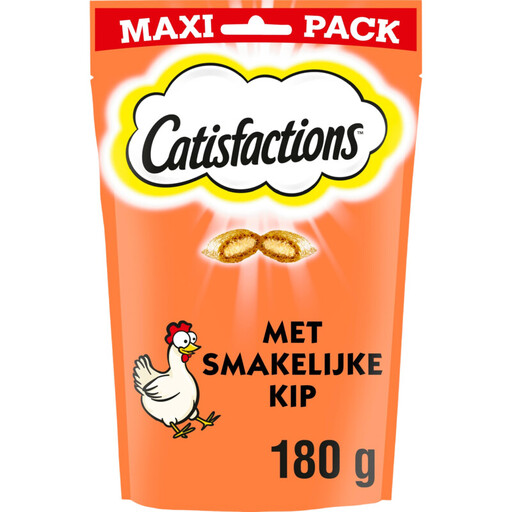
Why this suits the profile: A generous pack for households that regularly give a small reward and don't need multiple flavours straight away.
The product information clearly states that it is complementary food, with chicken at 4% within meat and animal by-products. This makes the flavour claim verifiable.
180 grams, crunchy outside and soft filling; according to the product description, suitable for adult cats and kittens from 8 weeks old.
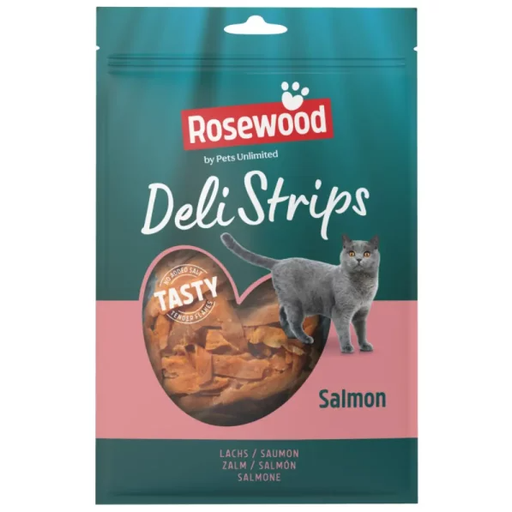
Why this suits the profile: Ideal for cat owners who value a short ingredients list and want to offer a clear fish flavour.
The ingredients state 100% fish, namely salmon. This makes the difference between a general fish flavour and a specific fish base clear.
40 grams, strips to give directly and, according to the product information, no artificial additives. Not intended as a complete meal.

Why this suits the profile: For owners who want to combine a daily treat with a product that, according to the brand's product information, is developed for dental care.
The packaging states a usage recommendation of a maximum of 17 pieces per day and asks you to adjust the main meal. The claim about tartar is based on Whiskas' own research; do not see this as a replacement for a dental check-up.
240 grams divided over six boxes; 18% chicken according to the product information and 9% crude fibre.
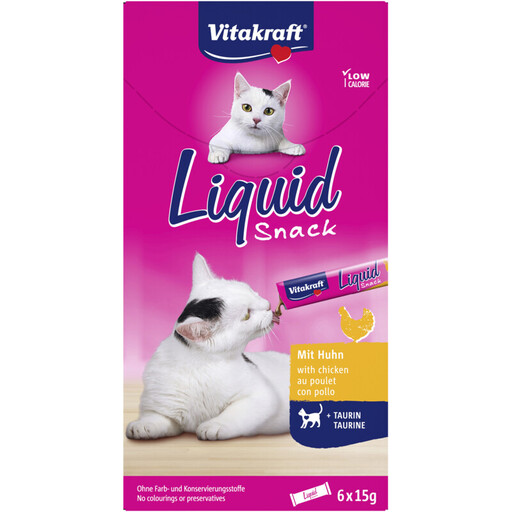
Why this suits the profile: Handy for cats that prefer soft textures, or for owners who want to spread a treat over the main food.
The advice is specific: a maximum of one portion per day. After opening, any unused portion must be refrigerated and used immediately, according to the product information.
Six portions of 15 grams each; suitable from 3 months old and usable as a treat, topping or chilled snack.
We've put together a full, up-to-date list of products that fully meet these strict selection criteria and comply with current European safety regulations.
This varies depending on the product, your cat's weight, age and activity level. Follow the feeding advice on the packaging and keep treats limited to a small part of daily calories. Reduce the main food if the label advises it. Always ensure fresh drinking water is available.
Not automatically. Check the age recommendation, ingredients and any known intolerances. A product labelled "chicken" or "salmon" may also contain several other animal ingredients. If in doubt, or if your cat has a medically prescribed diet or ongoing health issues, it's best to consult a vet.
Store dry treats in a cool, dry place and seal the packaging well. For liquid treats, any unused portions must be kept refrigerated according to the label. Always check the best-before date and the advice for use after opening. This way, you avoid buying a large pack that is no longer fresh before your cat has finished it.
