
Vandaag of morgen in huis

Kwaliteit gegarandeerd

Welkomstaanbiedingen ontgrendelen: GRATIS bezorging | Tot 80% korting | Gratis 30 dagen JoyPlus-proefperiode
Download de app
Cat treats are useful as rewards, snacks or an additional moment of bonding. However, treats for cats vary considerably in ingredients, texture, moisture content and intended use. A crunchy treat is not automatically suitable for every cat, and packaging claims such as “natural”, “healthy” or “functional” do not tell the whole story.
As a Joybuy Product Recommendation Officer, I filter the most important product information so you can compare marketing claims with verifiable details on the label. This helps you avoid buying something your cat will ignore or that does not fit into its daily diet.
“Kip”, “zalm” or “rund” on the front of the packaging may simply indicate the flavour variant. Always check the ingredients list and any stated percentages. For example, Whiskas Cat Sticks Beef Flavor states that the stick contains 80% beef. In other products, meat or fish may appear further down the ingredients list, with a lower specific percentage.
“Cat treats with fish” also does not guarantee that the product consists mainly of fish. According to the product information, Felix Crispies Salmon & Trout contains, among other ingredients, cereals, animal derivatives and just 0.4% salmon meal and 0.4% trout meal.
Most cat treats in this overview are complementary pet food. They are intended to be given alongside complete cat food, not as a daily main meal. If you give too many treats, their calories can be added to your cat’s regular intake without you adjusting the meal portion.
As a practical guideline, keep treats to around 10% of your cat’s daily calorie intake, unless the packaging specifies a different amount. Always consider your cat’s weight, age, activity level and body condition.
Be particularly critical when assessing dental treats for cats or anti-hairball treats. According to the brand’s own research, certain Whiskas Dentabites may help reduce tartar, while Purina Dentalife’s product information also refers to a scientifically supported reduction in tartar formation. These are brand claims; results vary from cat to cat, and such products do not replace veterinary checks or care recommended by a vet.
The same applies to G’woon Cat Treats Anti-hairball. The product description states a fibre content of 4% and at least 4% lignocellulose. This makes it a targeted option for cats whose hairball management you want to support, but it does not guarantee that hairballs will disappear.
A liquid cat treat may be appealing for cats that drink little or prefer soft food. According to the product specifications, INABA Churu Cat Tuna contains 91% moisture, 8% protein and 0.5% fat. The chicken variant contains 90.5% moisture. INABA Fun Bites Cat Chicken Wraps Tuna lists an even higher moisture content of 93% and comes in four flavours: chicken, tuna, scallop and salmon.
A high moisture content does not mean you can stop providing drinking water. The packaging information for these products consistently recommends keeping fresh drinking water available. Once opened, the sticks should be refrigerated and used within 24 hours, according to the product information.
Crunchy cat treats are often small, making it easy to give several pieces. Catisfactions lists fewer than 2 calories per piece. For an adult cat weighing approximately 4 kg, Felix Crispies recommends a maximum of 12 grams or around 80 pieces per day. Whiskas Temptations contains 411 kcal per 100 grams and therefore requires careful portion control.
Pay attention to the difference between grams per day, number of pieces and sticks per day. These units are not directly comparable. Adjust your cat’s main meal when treats are given regularly.
Some products are intended for adult cats. Others are suitable from 8 weeks of age, such as the Catisfactions variants. According to the product information, Whiskas Cat Sticks Beef and Salmon are not suitable for kittens. Always check the intended age group on the packaging.
Also review the complete ingredients list if your cat has a known sensitivity to fish, chicken, beef, cereals or milk. A statement that a product contains none of the 14 major EU allergens does not mean it is suitable for every individual cat.
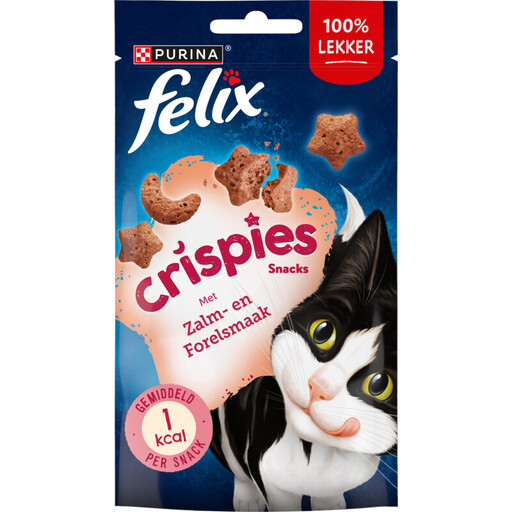
Why it’s a good fit: A compact choice for anyone looking for a light, crunchy reward for an adult cat.
The recommended amount is clearly stated: a maximum of 12 grams or around 80 pieces per day for a cat weighing approximately 4 kg.
Light, crunchy texture; 31.5% crude protein and a salmon and trout flavour, according to the product information.
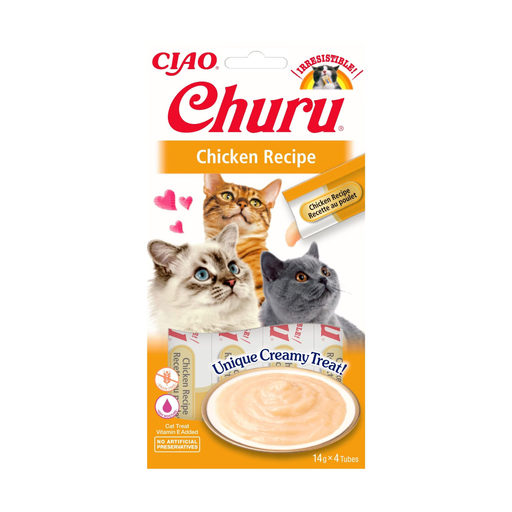
Why it’s a good fit: For cats that prefer soft treats and owners who want control over moisture content and portion size.
The product is clearly labelled as complementary food and recommends 1 to 2 sticks per day for adult cats.
90.5% moisture, 6 calories per treat according to the product description, and suitable for use as a topping.

Why it’s a good fit: For adult cats whose owners want to add a crunchy treat to their daily dental care routine.
The packaging states a daily serving recommendation, and the product is clearly intended for adult cats.
35% protein, 3.6% crude fibre and a porous, crunchy texture according to the product data.
Browse a current selection of cat treats and compare flavours, textures, pack sizes and usage recommendations based on the product information.
That depends on the product, your cat’s weight and its daily diet. Start by following the guideline on the packaging. Subtract the calories from treats from the main meal, and do not automatically give the maximum amount. For example, Whiskas Cat Sticks specifies a maximum of one stick per day, while some crunchy treats allow a higher quantity because the pieces are smaller.
A liquid treat contains a high proportion of moisture and can provide an additional way to offer fluids. INABA Churu Tuna contains 91% moisture, while INABA Churu Chicken contains 90.5%. This does not mean that the treat replaces water. Always provide fresh drinking water and discuss noticeably low water intake with a vet.
Dental treats can be a useful addition, but they do not replace comprehensive dental care. Brands such as Whiskas and Purina describe their products with claims relating to tartar or dental cleaning; according to their own research, these claims are supported by reported results. Follow the feeding instructions, supervise your cat while it eats and seek professional advice if you notice gum problems, bad breath or pain.
