
Vandaag of morgen in huis

Kwaliteit gegarandeerd

Welkomstaanbiedingen ontgrendelen: GRATIS bezorging | Tot 80% korting | Gratis 30 dagen JoyPlus-proefperiode
Download de app
A bag of cat treats may seem simple to choose. Yet cat biscuits, cat snacks and cat treats can vary considerably in ingredients, texture, portion size and intended use. A soft treat may be suitable as a reward, while crunchy cat treats are a better fit for cats that enjoy chewing. Other varieties are designed to supplement fluid intake or form part of a daily dental-care routine.
The packaging does not always tell the full story. That is why you should pay particular attention to the following three points.
A product called ‘with chicken’ or ‘with fish’ does not automatically contain a high proportion of chicken or fish. Check the ingredients list and any stated percentages. For example, Felix Crispies with salmon and trout lists 0.4% salmon meal and 0.4% trout meal. This makes the treat particularly suitable for cats that enjoy a mild fish flavour, rather than necessarily for owners looking for a treat with a high fish content.
Whiskas Cat Sticks Chicken Flavor lists 26% chicken among the named animal ingredients, according to the product information. So look at the full composition, not just the front of the packaging.
Most cat treats are complementary pet food. They do not replace a complete meal. Reduce your cat’s daily main food when the packaging advises you to do so. Some labels also specify a maximum amount per day. For example, Catisfactions recommends a maximum of 20 treats per day for adult cats and a maximum of 6 treats for kittens.
A treat containing very few calories per piece can still add up if a cat receives a lot of them. Use the feeding guidelines on the packaging as a starting point and adjust the amount to your cat’s age, weight and activity level.
Hairball treats and dental cat treats may serve a specific purpose, but their claimed benefits should not be interpreted as guaranteed results. According to the brand’s own research, Whiskas Dental Treats may help reduce tartar, while Purina Dentalife’s product description refers to a scientifically proven reduction in tartar formation. These are manufacturer claims. They do not replace examination or treatment by a vet.
Soft cat treats are easy to break into smaller pieces. This is useful when rewarding your cat or for cats that struggle to eat larger pieces. According to the product information, Whiskas Cat Sticks are easy to break and up to one stick may be given per day.
Crunchy cat treats are light and easy to portion. Felix Crispies have an airy texture and a recommended maximum of 12 grams or approximately 80 pieces per day for an adult cat weighing around 4 kg. According to the packaging, Catisfactions combine a crunchy outer layer with a soft filling.
At a minimum, check:
According to the product information, INABA Fun Bites Cat Chicken Wraps contain 93% moisture. They can be given directly or mixed into your cat’s usual food. The manufacturer describes this variety as a supplement for cats that drink very little; always provide fresh drinking water as well. The range includes several flavours, such as chicken, tuna, scallop, salmon, cheese and pumpkin.
Not every treat is suitable for kittens. According to the product information, Whiskas Cat Sticks Chicken Flavor and the beef variety are not suitable for kittens. Catisfactions, on the other hand, are intended for adult cats and kittens from 8 weeks old. Always check the age recommendation on the current packaging.
Storage time is particularly important for opened wet cat treats. According to the product information, the INABA chicken and pumpkin variety should be refrigerated after opening and used within 24 hours. Dry treats should generally be stored in a cool, dry place, tightly sealed and away from direct sunlight.
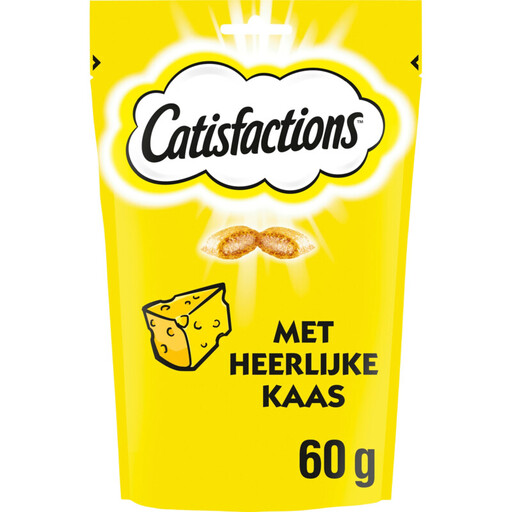
Why it suits this profile: An accessible choice for everyday rewards. The combination of a crunchy outer layer and soft cheese filling adds variety without complicated preparation.
The packaging states that this is complementary pet food and gives a maximum daily amount. This makes it clear that the treat is intended to be given alongside the main meal.
Less than 2 kcal per piece according to the product information; suitable for adult cats and kittens from 8 weeks old.
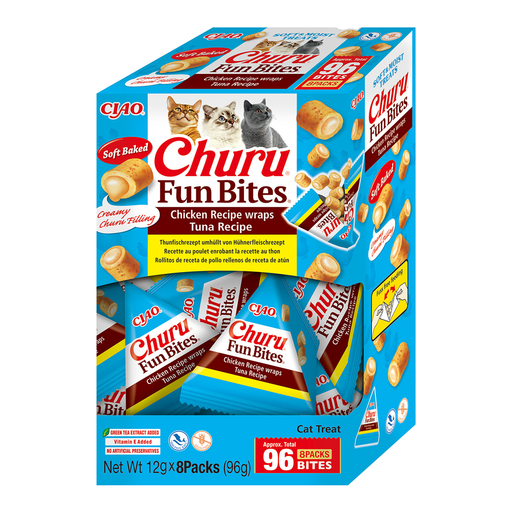
Why it suits this profile: Suitable for anyone who wants to supplement their cat’s fluid intake with a wet cat treat or food topper.
The 93% moisture content is stated clearly. You therefore do not have to rely on a general hydration claim.
93% moisture; can be given as a treat or mixed with regular food; several flavour combinations available.
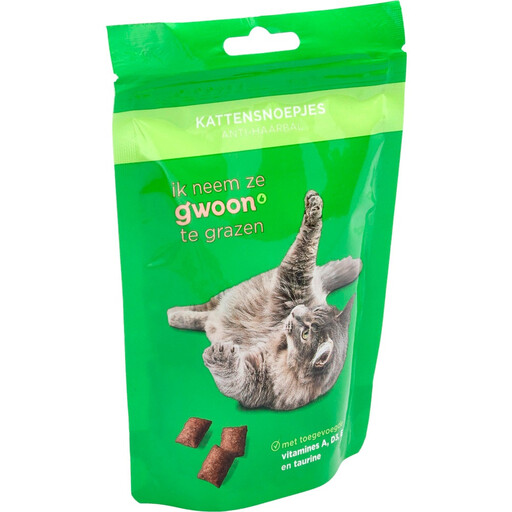
Why it suits this profile: A practical option for owners specifically looking for cat treats designed to help with hairballs and who prefer to follow a set daily routine.
The recommended amount of approximately 5 to 10 pieces per day is stated clearly. The description says that the product helps reduce hairballs; this remains a product claim and is not a guaranteed result.
Contains 4% crude fibre according to the specifications; give as a treat between meals and always provide fresh water.

Why it suits this profile: For owners who want to link a regular treat to an adult cat’s daily dental-care routine.
The product information gives a daily guideline of 17 pieces and specifies that the treat is for adult cats. This avoids confusion about how it should be used and who it is intended for.
Contains 9% crude fibre and 11% fat according to the specifications; the manufacturer describes a crunchy texture for daily dental care.
We have put together a complete, up-to-date list of products that fully meet these strict selection criteria and the applicable European safety regulations.
This varies depending on the product, your cat’s weight and its main food. Follow the feeding guidelines on the packaging and adjust the regular meal when necessary. Treats are complementary and should not routinely replace complete food.
Soft treats are easy to break and useful for rewards. Crunchy varieties are often easy to portion individually and may suit your cat’s preference for chewing. A dental treat has a specific shape and texture, but it is not a substitute for examination or dental care if your cat has dental problems.
Store dry cat treats in a cool, dry place in a tightly sealed container. For wet cat treats, be aware that they have a shorter shelf life after opening. Always check the packaging for the precise storage time, best-before date and usage instructions.
