
Vandaag of morgen in huis

Kwaliteit gegarandeerd

Welkomstaanbiedingen ontgrendelen: GRATIS bezorging | Tot 80% korting | Gratis 30 dagen JoyPlus-proefperiode
Download de app
A litter tray can quickly become unpleasant if the litter is not right for your cat, your living space or the type of tray you use. Marketing terms such as “dust-free”, “eco-friendly” and “superior odour control” sound appealing, but they do not always tell you enough about everyday use.
The three most common pitfalls are:
With clumping cat litter, mainly the part that has become wet hardens. This means you can remove urine clumps and solid waste daily without emptying the entire tray. Pay attention to the following points:
Tofu, cassava and tapioca are plant-based materials that are combined with starch or bentonite in various products. Bentonite cat litter is known for its mineral base and clumping ability. A mixture of bentonite and tofu can offer a practical compromise between firm clumps and lower weight.
When looking for cat litter for odour control, you should distinguish between odour absorption and odour masking. Activated charcoal, bicarbonate of soda and rapid moisture absorption are often mentioned in product descriptions as aids to odour control.
Unscented cat litter may be a good choice for cats that react strongly to perfumed products. Check the label carefully: “original scent” does not always mean the same as unscented. For products with a green tea fragrance or other scent additives, it is sensible to check whether your cat accepts the smell.
Claims about odour control come from the brand’s product information. They should therefore be viewed as product specifications, not as a guaranteed result in every home. Ventilation, the number of cats and how often you scoop also make a difference.
Low-dust cat litter can help limit the amount of loose particles when filling and scooping. However, no litter is automatically completely free from dust or tracking. The granule structure, your cat’s behaviour and the use of a litter mat all play a part.
Also compare the material:
Dispose of used litter only in accordance with the packaging and local regulations. Most of the products mentioned must not be flushed down the toilet.
The recommendations below are based on verifiable information such as material, contents, clumping, added fragrance and stated suitability. Product claims about performance are presented as information from the relevant product description.
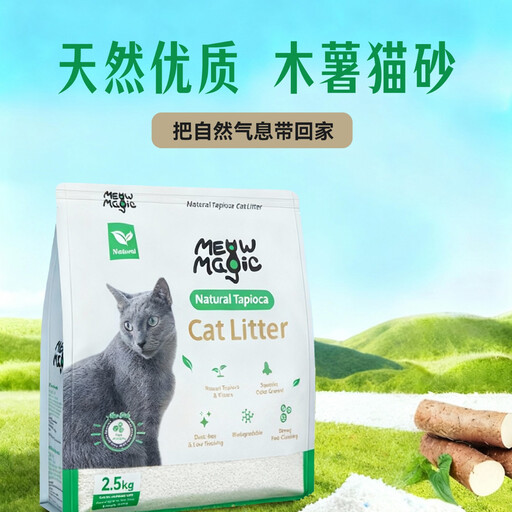
Why it suits this profile: A manageable 2,5 kg bag for trying tapioca litter without immediately buying a large supply.
The composition and net weight are clearly stated. The product instructions recommend scooping daily and warn against flushing it down the toilet.
Tapioca as the main material; 2,5 kg per bag; described as biodegradable and designed to help control odours.
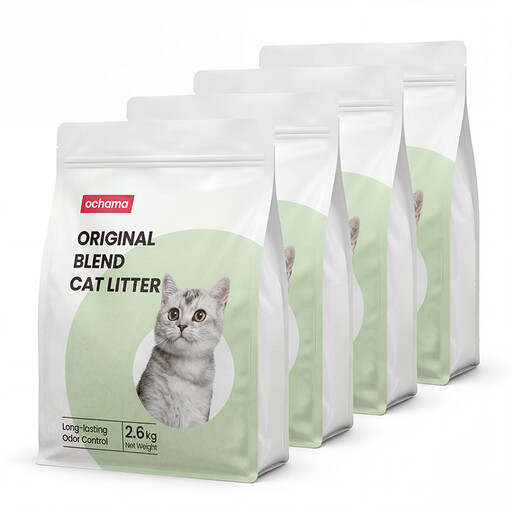
Why it suits this profile: A multipack for households that use cat litter regularly and are looking for a tofu and bentonite blend.
The packaging states a total content of 10,4 kg, an unscented formula and a low moisture content of 8,4%. This makes comparison easier than relying on advertising copy alone.
Tofu and bentonite; 4 bags of 2,6 kg; described as designed to form firm clumps, absorb odours and create little dust when poured.
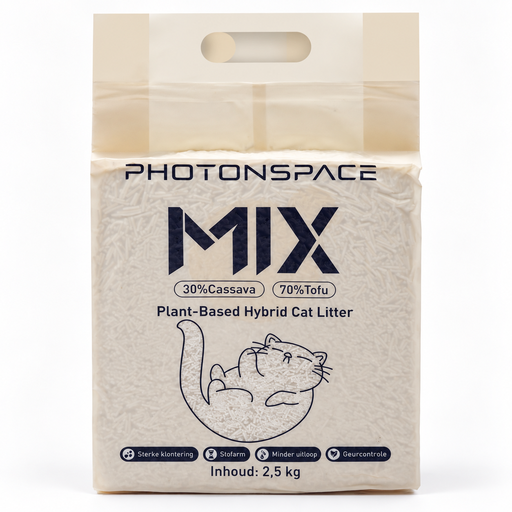
Why it suits this profile: The pack of 4 bags is practical for households with several cats or intensive daily use. According to the product information, this litter is suitable for traditional and certain automatic litter trays.
The manufacturer explicitly states the type of use: only in automatic litter trays that are suitable for it. Check this with your appliance before ordering.
70% tofu and 30% cassava according to the product description; total contents of 36 litres and 15 kg; plant-based, clumping and designed to help reduce tracking.
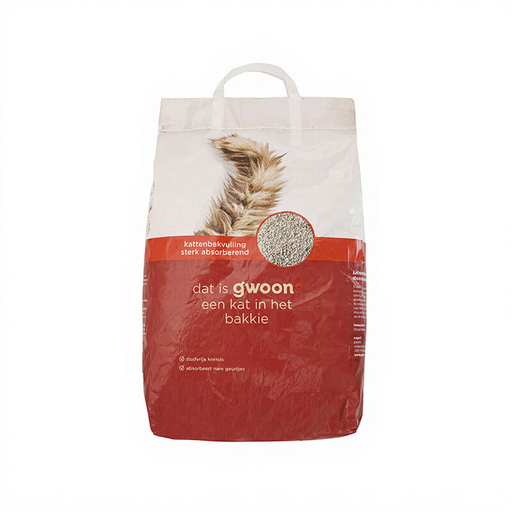
Why it suits this profile: A mineral option for those who prioritise activated charcoal, bentonite and fine granules over plant-based materials.
The composition lists bentonite and activated charcoal separately. It also states that the litter must not be flushed down the toilet.
10 litres of contents; bentonite with activated charcoal; clumping formula; described as a fine, low-dust composition.
We have put together a complete, up-to-date list of products that fully meet these strict selection criteria and the applicable European safety regulations.
A cat may be hesitant about a new texture or fragrance. It is therefore best to gradually mix a small amount of the new cat litter with the familiar variety. Only increase the proportion once your cat continues to use the tray normally.
Keep the tray in a quiet, well-ventilated place and scoop it daily. A litter mat can help reduce tracking, especially with fine plant-based granules. Store opened bags somewhere dry and tightly sealed: moisture can affect clumping and granule structure.
That depends on the material and granule structure. Bentonite generally forms mineral clumps, while tofu, cassava and tapioca litter bind moisture with plant fibres or starch. Pay particular attention to the recommended fill depth and the instructions for daily scooping. Product claims about “strong” or “fast” clumps come from the brand’s product description and are not a guarantee for every litter tray.
The lifespan varies depending on the number of cats, tray size, fill depth and amount of urine. With clumping litter, you remove only the soiled parts each day and top up the tray. Many product instructions recommend completely emptying and cleaning the tray every two to four weeks. Always follow the label if a brand states a different replacement frequency.
First check the manual for the automatic litter tray. The litter must be suitable for the scooping mechanism, granule size and required clumping time. Some products, such as certain Pidan varieties, are specifically not recommended for automatic trays. Other varieties, including certain Photonspace and Pidan blends, do state compatibility with suitable models. Only rely on this indication after comparing both product manuals.
