
Vandaag of morgen in huis

Kwaliteit gegarandeerd

Welkomstaanbiedingen ontgrendelen: GRATIS bezorging | Tot 80% korting | Gratis 30 dagen JoyPlus-proefperiode
Download de app
A litter tray that quickly starts to smell, granules scattered all over the house, or clumps that fall apart – the wrong cat litter makes itself known every single day. Yet a bag labelled with terms like “natural”, “low dust” or “extra-strong odour control” doesn’t tell you everything about how easy it is to use.
Instead, pay close attention to the composition, the granule structure, the volume, and the care instructions. Below, you’ll discover which features really matter and which choices suit different households.
“Odour-free” doesn’t automatically mean smells disappear completely. Check whether odour control is linked to a specific ingredient, such as baking soda, activated charcoal, or a deodorising component. An unscented formula can be pleasant, but it won’t stop a tray from smelling on its own.
Also, look out for the difference between a brand claim and a verifiable product feature. According to the product description for pidan, baking soda helps neutralise odours. That’s a description of the product, not a guarantee of the same experience in every home.
Fine granules often feel natural to cats, but they can cling more easily to paws. Coarser granules may scatter less, but not every cat will accept them. A label like “low dust” usually describes limited dust formation during filling and scooping; it doesn’t mean no dust is created at all.
With fine-grain or plant-based cat litter, use a mat under the tray and pour slowly. Keep the room well ventilated.
Cat litter is sold in kilograms, litres, or multi-packs. These units aren’t directly comparable. For example, a 10-litre bag of bentonite has a different density than a bag of tofu or cassava cat litter.
For one cat, a small pack can be handy to test first. In a multi-cat household, a multi-pack is often more practical, provided you have enough dry storage space.
Clumping cat litter binds moisture in one place. This means you can remove urine clumps and faeces daily without emptying the entire tray. Look for descriptions like “fast clumping”, “firm clumps”, or “easy scooping”, but also check the recommended depth.
Many varieties recommend around 5 to 8 centimetres of litter. A layer that’s too thin can allow moisture to reach the bottom. Too much litter increases usage and may cause cats to scatter more granules out of the tray.
Bentonite cat litter is known for the compact clumps that form as soon as the mineral granules absorb moisture. Plant-based varieties, such as tofu cat litter and cassava cat litter, use starch or fibres to bind moisture. The right choice depends on your cat’s preference and how often you want to scoop.
“Biodegradable” doesn’t mean used cat litter can simply be flushed down the toilet. Always follow the label and local waste disposal rules. Most of the products listed below explicitly state that flushing is not recommended.
An odour-control cat litter can contain active ingredients, such as baking soda or activated charcoal. A fragrance mainly masks odour and can be unpleasant for some cats. For a sensitive cat, an unscented variety is a logical first choice.
According to the product description for the XUCUIHUA variety with occult blood test granules, the test granules can turn blue when blood is detected in the urine. This is solely a screening aid and not a diagnosis. If a colour change occurs, the product information advises contacting a vet.
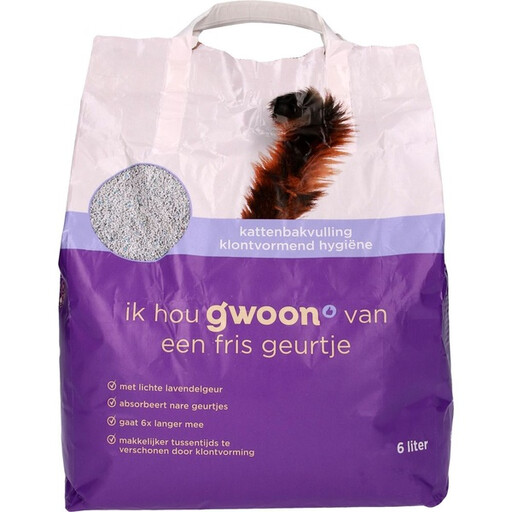
Why this fits the profile: The 6-litre pack is manageable for anyone trying clumping cat litter for the first time or topping up regularly.
The product description mentions clumping, odour control, and a low dust level, so you’re not relying on a general marketing term alone.
Mineral composition based on natural clay; suitable for daily scooping according to the product information.
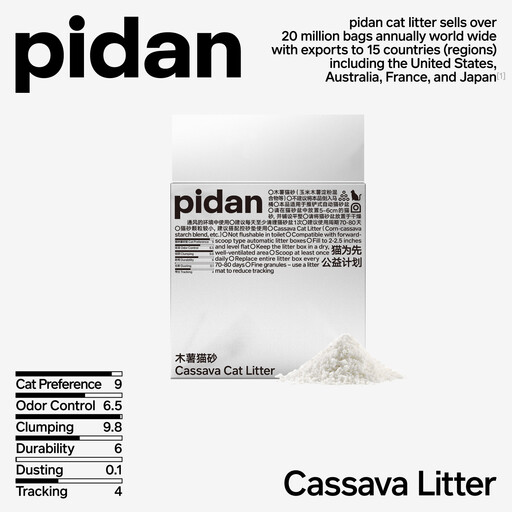
Why this fits the profile: This set offers four bags of 2.4 kg for users who want a plant-based option with a steady supply.
The product information lists the total volume, fine granule, fast clumping, and low dust level separately.
Cassava and corn starch; baking soda for odour control; four bags totalling 9.6 kg.
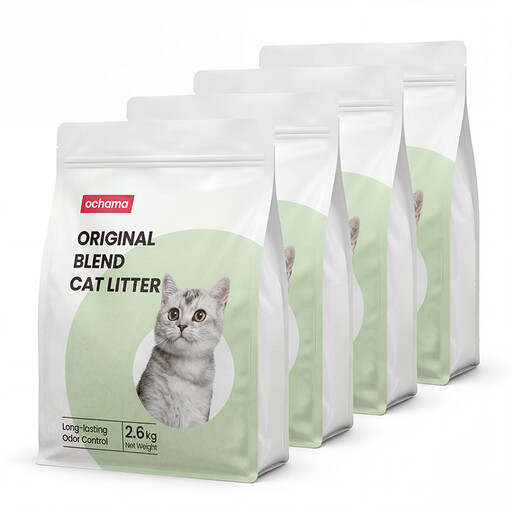
Why this fits the profile: The combination of bentonite and tofu is aimed at households that want to combine clumping, odour control, and a larger supply.
The product description mentions the mixed composition, recommended depth of 5–8 cm, and daily removal of clumps.
Four bags of 2.6 kg; unscented version according to the product information; combination of tofu and bentonite.
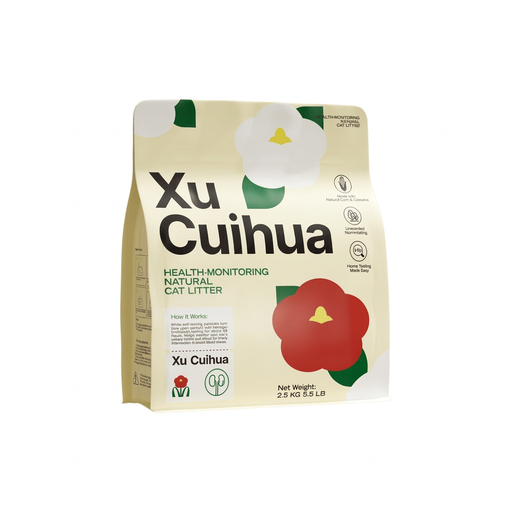
Why this fits the profile: The unscented cassava and corn starch formula may suit owners who want to avoid fragrances and keep a closer eye on the tray.
The product information makes it clear that the colour indicator is only a screening aid and not a substitute for veterinary advice.
Plant-based composition; unscented; fast clumping; indicator granules with a stated usage period of approximately 48 hours.
We’ve put together a full, up-to-date list of products that fully meet these strict selection criteria and comply with current European safety regulations.
With multiple cats, several trays are often more practical than one large tray. This keeps the load per tray lower and lets you see more quickly which tray needs extra attention.
Scoop daily and replace the entire contents according to the label and how soiled it is. Many product descriptions recommend a full clean every two to four weeks, but with multiple cats, it may be needed sooner.
A clumping variety helps isolate moisture quickly, while baking soda, activated charcoal, or another deodorising ingredient can provide additional odour control. Ventilation and daily scooping remain more important than just the claim on the packaging.
Tofu, cassava, and tapioca varieties are plant-based and are often marketed as biodegradable cat litter. That doesn’t automatically mean you can flush them. Always check the product packaging and follow local waste disposal rules.
