
Vandaag of morgen in huis

Kwaliteit gegarandeerd

Welkomstaanbiedingen ontgrendelen: GRATIS bezorging | Tot 80% korting | Gratis 30 dagen JoyPlus-proefperiode
Download de app
A clean litter tray is essential for the daily comfort of both cat and owner. Yet the choice is vast: from clumping cat litter and bentonite to tofu cat litter, tapioca cat litter and other plant-based formulas. The differences aren't just in the price. Clumping ability, dust level, grain size, odour control and pack size all determine how much effort and cost you'll ultimately have.
As Joybuy's Product Recommendation Officer, I filter the most important product information on practical points. This way, you avoid relying solely on terms like "natural", "dust-free" or "extra absorbent" without checking what's actually on the packaging or product page.
Marketing terms can vary from brand to brand. So check whether the product description mentions low dust, a low-dust composition or a fine grain structure. A very fine grain may feel pleasant for cats, but it can also be more easily scattered outside the tray. It's only when you pour and scoop that you notice how much fine material is released.
For cats and owners who are sensitive to dust, a low-dust cat litter can be a practical choice. Ventilation and regular cleaning remain important nonetheless.
A cat litter with odour control can help limit moisture and unpleasant smells, but no litter makes daily maintenance unnecessary. With clumping varieties, it's wise to remove urine clumps and faeces every day. Also pay attention to the difference between unscented cat litter and litter with perfume or herbal additives. Some cats accept an unscented formula more easily.
Claims about odour control come from brand product descriptions. According to the product information from the respective brands, ingredients such as baking soda, herbal fibres or activated charcoal contribute to odour management. See this as a product specification, not a guaranteed result in every home.
A bulk cat litter pack can be handy for multi-cat households, but only if you can store the litter dry. Plant-based granules tend to clump together more quickly when exposed to moisture or lose their structure. So compare the total weight, the number of bags and the recommended depth.
A 2.5 kg pack is suitable for trying out a new variety first. For daily use or multiple cats, multipacks – such as four 2.5 kg bags – are often more practical because you can store the supply in separate portions.
With fast-clumping cat litter, a compact clump forms around the wet area. This makes scooping easier and limits the loss of unused litter. Check whether the description mentions firm, compact or non-crumbling clumps.
Clay and bentonite litter is known for clumping, while natural cat litter is often made from cassava, tapioca, maize, tofu or other plant-based materials. The exact composition varies by product. "Plant-based" therefore doesn't automatically mean every variety absorbs the same way.
With a plant-based cat litter, check the ingredients list. Some varieties consist of cassava starch and maize starch; others combine tofu or soya fibres with bentonite. A cassava or tapioca formula can be interesting if you want to avoid mineral clay, but watch out for additional ingredients such as silica, calcium carbonate, guar gum or baking soda.
For households with a cat that reacts strongly to scents, unscented cat litter without artificial perfume can be a logical starting point. Introduce a new litter gradually if your cat is fussy.
The grain affects how it feels under paw, clumping ability and how much litter sticks to paws. A fine, sand-like texture can feel natural, but may also track more. Coarser grains sometimes stay in the tray better, but not every cat accepts them.
A good practical approach:
Do not flush cat litter down the toilet unless the packaging explicitly allows it. Even then, you need to consider local drainage regulations and the risk of blockages. The product information for some tofu varieties mentions flushing in small amounts, while other products strongly advise against it.
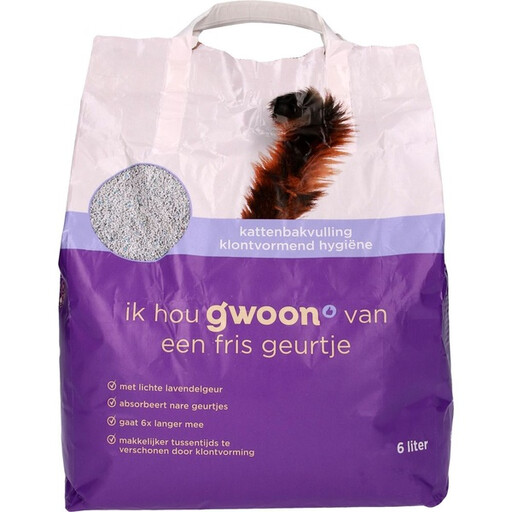
Why this fits the profile: A straightforward pack for anyone wanting to try a standard clumping cat litter without committing to a large multipack straight away.
The product information mentions natural mineral clay, firm clumps, odour control and a low dust level. Check the packaging for the current composition.
6 litre capacity; clumping formula; according to the product description, suitable for cats of different ages.
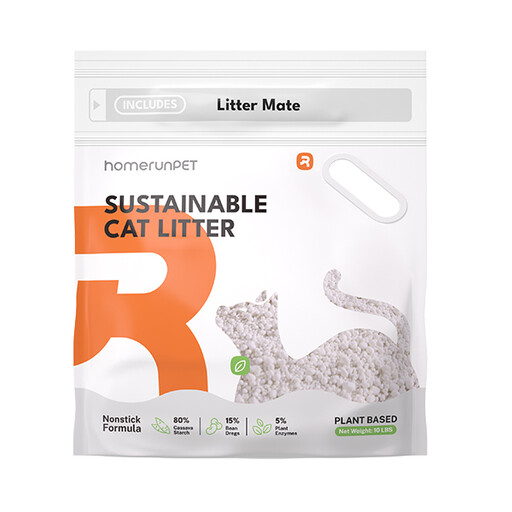
Why this fits the profile: For anyone considering a fully plant-based formula with tapioca starch, firm clumps and a soft grain texture.
The stated product specifications mention 100% plant-based ingredients, a low dust level and clumps that can be formed and scooped quickly.
Approximately 4.5 kg capacity; tapioca as a plant-based base; recommended fill depth of around 7 to 10 cm.
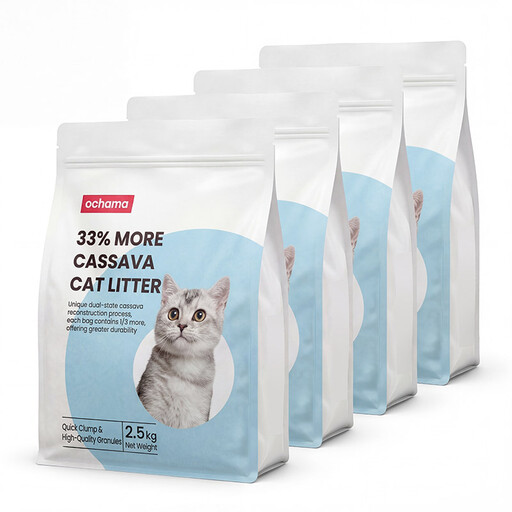
Why this fits the profile: A multipack for multi-cat households or owners who like to keep their supply topped up regularly.
Four separate bags make dry storage easier than one large opened bag. The description mentions no artificial fragrances and advises against flushing used litter.
Total 10 kg; cassava and maize starch as a base; according to the product description, clumping without strong sticking to the tray or scoop.
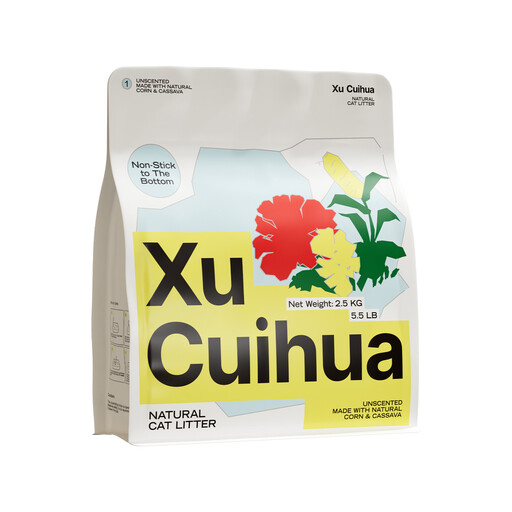
Why this fits the profile: The stated formula consists of cassava and maize and is described as unscented, which suits anyone looking for a simple plant-based option.
The product description mentions no added fragrances and advises against flushing used litter.
2.5 kg per pack; cassava and maize as listed ingredients; compact clumps according to the product information.
We've put together a full, up-to-date list of products that fully meet these strict selection criteria and comply with current European safety regulations.
Fill the tray to the recommended depth and scoop daily. When trying a new type, it's wise to mix it with the old litter first. This way you can see whether your cat accepts the scent, grain and texture.
Replace the entire contents when the litter becomes saturated or the tray continues to smell unpleasant despite daily scooping. Wash the empty tray with a mild, unscented cleaning product, rinse thoroughly and leave it to dry completely. Don't use damp bags and seal opened packs carefully.
Start with an unscented cat litter without artificial perfume and look for low dust production. A plant-based variety with cassava, tapioca or tofu can be an option, but every cat reacts differently to scent and grain. Introduce the litter gradually and stop if you notice clear aversion or unusual behaviour.
That depends on the number of cats, the tray size, the depth and the type of litter. Clumping cat litter can remain usable for longer if you remove only the clumps and faeces daily and top up the tray regularly. Full replacement is needed once the remaining litter is saturated or holds onto odours.
A large pack can lower the price per kilogram, but always compare the weight and not just the number of litres or bags. With one cat, a multipack may also stay open for too long. So store the bags dry and unopened until you need them.
