
Vandaag of morgen in huis

Kwaliteit gegarandeerd

Welkomstaanbiedingen ontgrendelen: GRATIS bezorging | Tot 80% korting | Gratis 30 dagen JoyPlus-proefperiode
Download de app
A litter tray that starts to smell quickly, clumps that fall apart or dust drifting around the room: you often only notice the drawbacks of the wrong cat litter after buying it. A low price per bag also says little about actual usage. If you have to top it up frequently or throw away a lot of usable litter, a seemingly affordable pack can end up costing more.
The right choice depends on your cat, the number of cats, the room where the tray is kept and the type of litter tray. Pay particular attention to the following common pitfalls.
With clumping cat litter, speed is not the only important factor. A clump must also be firm enough to remove with a scoop without falling apart. Otherwise, wet residue remains stuck to the bottom and you have to clean the entire tray more often.
So check whether the product information refers to fast, firm clumps, a recommended fill depth and daily scooping. Exact performance may vary depending on the litter tray, humidity and usage.
A strong scent does not automatically mask unpleasant smells. Odour control can result from rapid moisture absorption, sealing urine inside a clump, activated carbon, bicarbonate of soda or a fragrance. For some cats and households, a fragrance-free option is more practical.
With odour-controlling cat litter, it is sensible to look at the ingredients rather than just words such as “fresh” or “powerful”. An odourless formula, such as some tofu and plant-based options, may be a logical choice if your cat is sensitive to fragranced products.
Dust is mainly created when pouring, digging and when granules break apart. A product description may claim low dust or virtually dust-free performance, but this is not a guarantee for every situation. Granule size, packaging and the way you refill the tray also play a role.
When choosing low-dust cat litter, opt for packaging that can be sealed securely, pour slowly and consider using a mat around the tray. With sensitive cats, monitor them particularly closely during the first few days to make sure they accept the litter.
Bentonite cat litter is made from mineral clay and is known for clumping and its sand-like texture. This can suit cats that enjoy digging. The material is relatively heavy and used litter should generally go in household waste. Some varieties contain activated carbon for odour control.
Tofu cat litter is made from plant fibres, often sourced from soya or pea fibres. Tofu granules are usually lightweight and can absorb moisture quickly. Always check the disposal instructions: even if a product description mentions flushing small amounts, local pipes or sewage regulations may make this unsuitable.
Plant-based cat litter may contain cassava, tapioca, maize, wheat or other starch-based ingredients. The composition varies considerably from one product to another. “Plant-based” does not automatically mean that the litter is biodegradable or suitable for flushing down the toilet. Follow the label and dispose of used clumps with household waste unless flushing is explicitly permitted.
A fill depth of approximately 5 to 8 cm is frequently mentioned in the product information provided. A layer that is too thin allows urine to reach the bottom; a layer that is too deep can lead to higher consumption and more litter being carried out of the tray.
Pay attention to these practical points:
With fast-clumping cat litter, daily scooping is important. This helps the remaining litter stay usable for longer and limits unpleasant odours.
Do not compare kilograms alone. Plant-based granules are often lighter than mineral granules, so litres and kilograms can give a different impression. For a multi-cat household, a multipack may be more practical, provided the cats accept the litter.
With cat litter for multiple cats, good moisture absorption, firm clumps and sufficient supplies are important. Ideally, provide multiple trays and scoop every day, as one tray reaches saturation more quickly with intensive use.
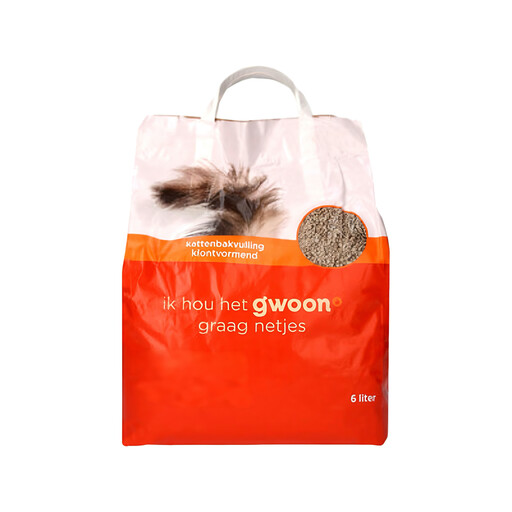
Why it suits this profile: This 6-litre pack offers an accessible starting point for one cat and states that it provides ultra clumping and odour control.
The product information mentions both clumping and odour control, allowing you to compare these basic criteria in advance.
6-litre capacity; according to the product description, suitable for all cat breeds.
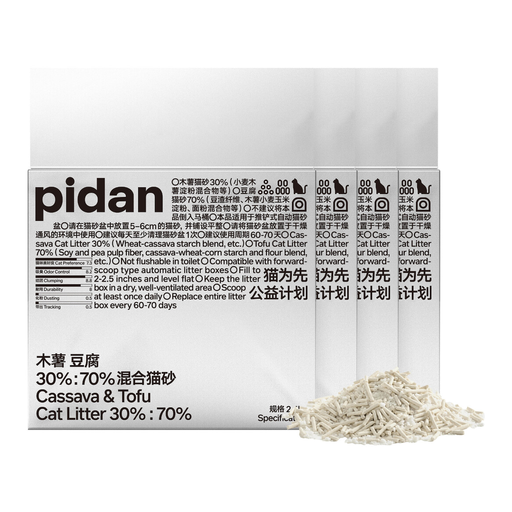
Why it suits this profile: The fixed blend ratio and multipack are suitable for buyers who want to compare specific product details in advance.
The product page states a ratio of 30% cassava and 70% tofu, along with a warning not to flush it.
4 bags of approximately 2.4 kg; according to the product description, suitable for an automatic litter tray with a forward-scooping mechanism.
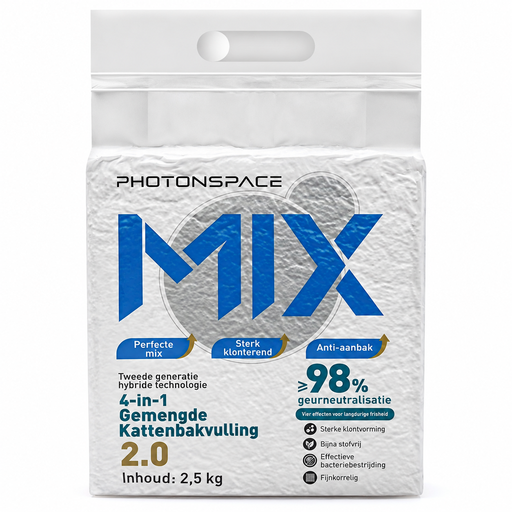
Why it suits this profile: According to the product description, this variety is designed to produce firm clumps, reduce sticking and work in suitable self-cleaning litter trays.
The description explicitly mentions an almost dust-free composition and recommends using it only in compatible automatic litter trays.
Combination of tofu, cassava, bentonite and an odour-absorbing ingredient; fragrance-free according to the product information.
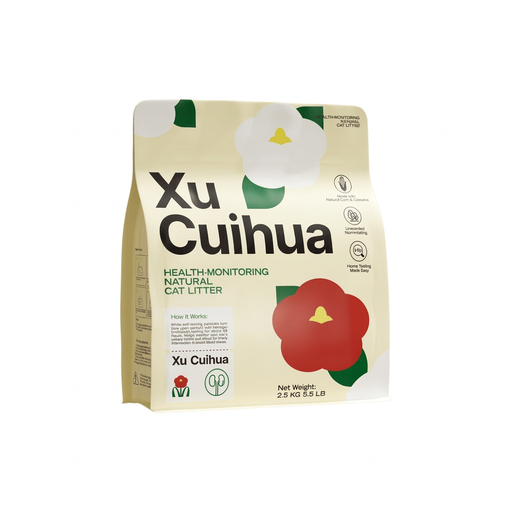
Why it suits this profile: The cassava and maize starch base, fragrance-free formula and fast clumping are a good match for anyone looking for a plant-based option for everyday use.
The description states the materials, confirms the absence of artificial fragrances and includes a clear warning that the test is only a screening aid.
2.5 kg capacity; according to the product information, the test granules turn blue when there may be an indication of hidden blood. If the colour changes, consult a vet.
We have put together a complete, up-to-date list of products that fully meet these strict selection criteria and the applicable European safety regulations.
This depends on the number of cats, the size of the tray, the fill depth and how often you scoop. A clumping variety can remain usable for longer when you remove only the soiled parts. Replace the entire contents regularly and follow the instructions on the packaging.
Tofu, cassava and other plant-based varieties are often described as low-dust options. Bentonite can also have a low-dust formula. Check the specific product information, pour slowly and watch for dust both when filling and scooping.
Not as standard. Many products in this range explicitly state that they should not be flushed. Even with litter that permits small amounts to be flushed, pipes can become blocked. Always check the label and local regulations before flushing.
