
Vandaag of morgen in huis

Kwaliteit gegarandeerd

Welkomstaanbiedingen ontgrendelen: GRATIS bezorging | Tot 80% korting | Gratis 30 dagen JoyPlus-proefperiode
Download de app
As a Joybuy Product Recommendation Officer, I see the vast number of cat litter choices available every day. The shelves are packed with promises of odor control, clumping action, and sustainability. But which litter is truly right for your cat and your household? Many cat owners unwittingly fall for marketing traps that lead to a smelly litter box, a dusty home, or unnecessary expenses.
Before you make a choice, it's wise to recognize the most common pitfalls:
To avoid a bad purchase, it's smart to focus on the product specifications that truly matter. Pay attention to the following three points when comparing cat litters.
This is a fundamental choice. Clumping cat litter forms firm, compact clumps when it comes into contact with urine. This has two major advantages: you can precisely remove the soiled spots, and the rest of the litter box stays clean. This makes it more hygienic and means a single bag lasts longer.
Non-clumping litter absorbs urine but doesn't form clumps. You'll need to replace the entire contents of the box more frequently. This type is often made from silica gel or wood pellets.
The material determines the litter's key properties.
A low-dust litter is more pleasant for everyone in the house, especially for cats or people with sensitive respiratory systems. For odor control, products with natural additives like activated charcoal or baking soda are often more effective and more agreeable to your cat than heavily perfumed litters.
Not every cat owner has the same needs. Below are some popular choices tailored to specific preferences.
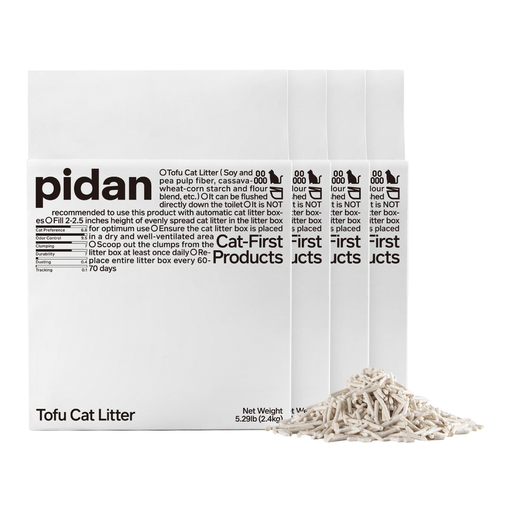
Why This Fits Their Persona: This owner is looking for an effective, yet sustainable and natural cat litter. The planet's well-being is just as important as their cat's comfort.
Its odor control is effective without heavy, artificial perfumes. The manufacturer is also realistic about flushing and does not recommend it, which avoids the pitfall of clogged pipes.
Made from renewable, plant-based materials like soy and pea fibers. The formula is low-dust and forms solid clumps.
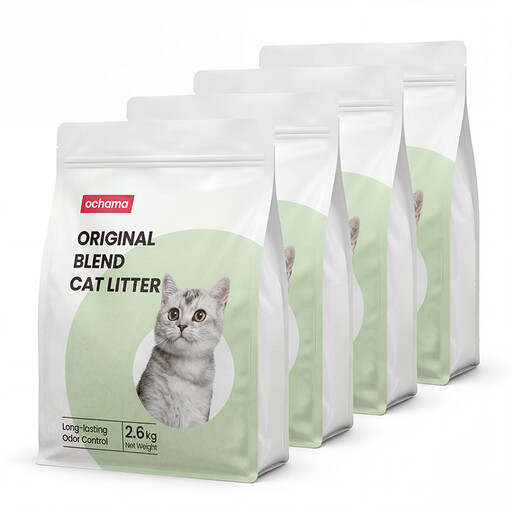
Why This Fits Their Persona: This user wants a litter box that is quick and easy to clean, with maximum odor control and minimal mess. Efficiency is key.
Odor control comes from the combination of materials, not an overpowering perfume. The mix of bentonite and tofu creates hard clumps that don't fall apart when scooping.
Combines the strong clumping power of bentonite with the lightweight and odor-absorbing properties of tofu. The manufacturer claims a virtually dust-free performance.
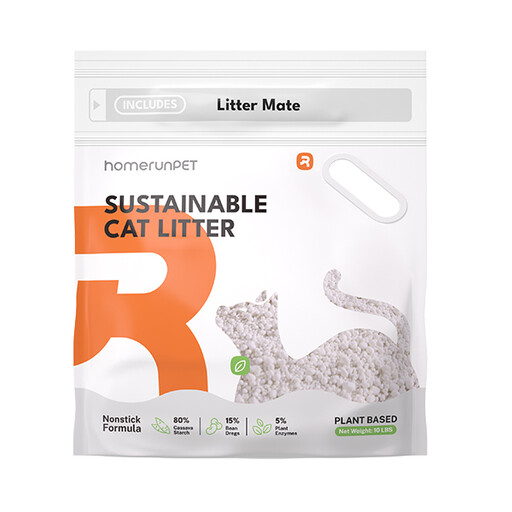
Why This Fits Their Persona: The cat's health and comfort are paramount. This owner seeks a product that is soft on paws and minimizes respiratory irritation.
The "virtually dust-free" claim is more realistic than "100% dust-free." The product is unscented, avoiding the pitfall of scent aversion in cats. Its soft texture is a direct solution to hard, sharp granules.
Made from tapioca starch, which is naturally soft on cat paws. The manufacturer states it has a low dust content, making it ideal for sensitive cats and owners.
We've compiled a complete, up-to-date list of products that meet these strict selection criteria and comply with local regulations.
With clumping cat litter, you should scoop out clumps and solid waste daily. If you do this consistently and top off the litter as needed, you typically only need to completely replace the litter and clean the box once every 2 to 4 weeks. For non-clumping litter, this is usually required more often, depending on its absorbency and the number of cats.
Plant-based litters, such as tofu cat litter or litters made from corn and tapioca, are derived from renewable resources. Many of these products are also biodegradable. This generally makes them a more eco-friendly choice than clay-based litters (bentonite), which are extracted through mining.
Cats are creatures of habit and can be skeptical of change. If you're switching to a new litter, do it gradually. Start by mixing a small amount of the new litter into the old one. Increase the proportion of the new litter every few days until you have fully transitioned. This allows your cat to slowly get used to the new texture and scent.
