
Vandaag of morgen in huis

Kwaliteit gegarandeerd

Welkomstaanbiedingen ontgrendelen: GRATIS bezorging | Tot 80% korting | Gratis 30 dagen JoyPlus-proefperiode
Download de app
A litter tray that quickly starts to smell, sticks to the bottom or spreads granules around the house creates extra work. However, an expensive pack is not automatically the right choice. With cat litter, the key factors are the material, granule structure, clumping performance and compatibility with your litter tray.
Marketing claims such as “almost dust-free”, “extreme odour control” or “suitable for every automatic litter tray” deserve a closer look. Always check the product information and instructions for use. Below, you can read which features make a practical difference and which choices suit different households.
Cat litter is sometimes sold in litres and sometimes in kilograms. These units are not directly comparable: plant-based granules may be lighter than mineral granules. So do not look only at the pack size; also consider the net weight, material and expected usage.
A bulk pack of cat litter may seem economical, but it is only practical if you have enough dry storage space. An opened bag that absorbs moisture may start clumping before you have used it.
Clumping cat litter should bind urine locally. In practice, soft clumps can fall apart or stick to the tray and scoop. Pay attention to the product description: does it mention quick, firm clumps and hardening only of the damp areas? That is more relevant than a vague term such as “ultra”.
Granule size also plays a part. Fine granules feel natural to many cats, but can cling more easily to their paws. A suitable litter mat can help reduce tracking.
Cat litter designed to tackle odours does not always work by adding a strong scent. Bentonite can lock in moisture, while plant-based materials can absorb it. Some varieties also contain bicarbonate of soda, activated carbon or a deodorising ingredient. Check whether the litter is scented or unscented. Some cats may accept a neutral formula more readily, but every cat reacts differently.
Tofu cat litter generally consists of plant fibres and starch. The product information provided mentions ingredients including soya, pea, cassava, wheat and maize. Plant-based cat litter is often lightweight. Some products also state that the litter is biodegradable; always check the specific product packaging and local waste regulations.
Bentonite cat litter is a mineral clay litter known for its clumping performance. This type can be heavier, but offers a familiar sand-like texture for many users. Bentonite and used clumps should generally not be flushed down the toilet. Follow the instructions on the packaging and local regulations.
Mixed formulas combine, for example, tofu and bentonite, or cassava and tofu. This allows manufacturers to combine different properties, such as firm clumps, less sticking and lower weight.
For everyday maintenance, cat litter with strong clumping performance is practical. A good clump remains as intact as possible when scooped, so you throw away fewer clean granules. Usually fill the tray to around 5 to 8 cm, depending on the product instructions and your cat’s digging habits.
Scoop out solid waste and urine clumps every day. Then top up the litter to the correct level. Empty the tray completely and clean it regularly with mild soap and water. A product description may state a long usage period, but actual consumption depends on the number of cats, their size and how often you clean.
Low-dust cat litter can help reduce the spread of loose particles around the tray. Pay attention to the difference between “low dust” and “dust-free”: the latter is difficult to assess as an absolute property in practice. The way the litter is poured, the packaging and your cat’s behaviour also affect the amount of dust.
Place the tray in a well-ventilated area and pour slowly. A litter mat can help with tracking. If your cat does not accept the litter, low dust levels have little value: getting used to it and preferring a particular granule texture are just as important.
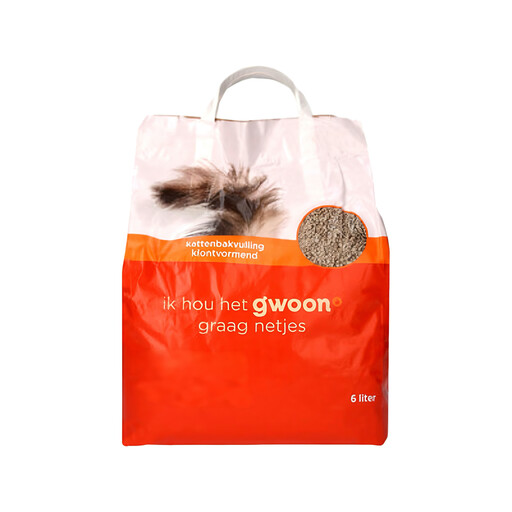
Why it suits this profile: A manageable 6-litre box is suitable if you want to try clumping litter without immediately buying a large supply.
The product description mentions ultra clumping and odour control. However, compare these features with the stated volume and your daily usage.
6 litres in one box; according to the product information, suitable for all cat breeds and designed for easy scooping.
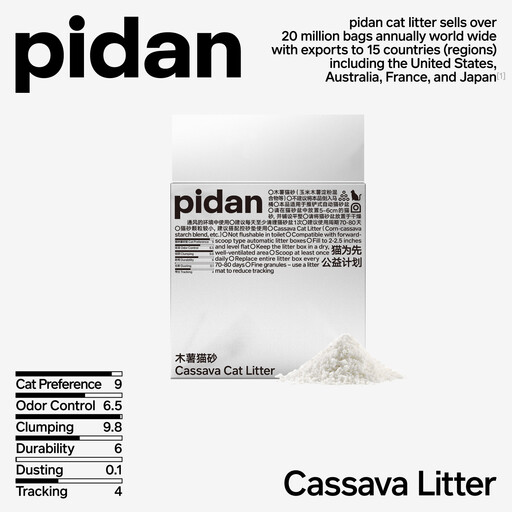
Why it suits this profile: The four 2.4 kg bags are ideal if you want to keep a regular supply and value a plant-based formula, low dust levels and odour control.
The formula clearly lists cassava and maize starch. The product information mentions bicarbonate of soda for odour control, but this does not replace daily scooping.
4 × 2.4 kg; fast clumping; fine texture; according to the product description, low dust levels and odour support from bicarbonate of soda.
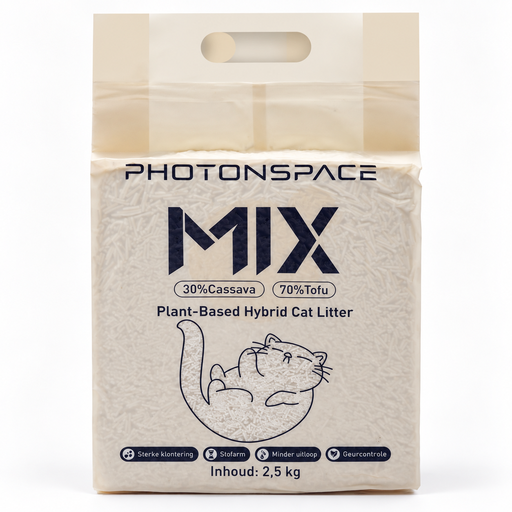
Why it suits this profile: According to the product information, this blend is suitable for traditional and compatible automatic litter trays, with 70% tofu and 30% cassava.
Before buying, check that your automatic litter tray supports this granule size and formula. “Suitable” does not automatically mean suitable for every model.
Plant-based blend; 36 litres and 15 kg in total according to the product information; low tracking and clumping are listed as product features.
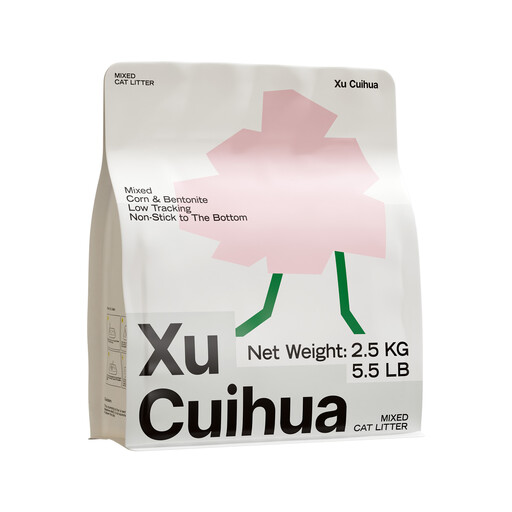
Why it suits this profile: The combination of bentonite and natural materials is designed for users who prioritise fast clumping and odour control.
The description mentions firm clumps and a deodorising ingredient. However, the fine granules may spread; a mat and careful topping-up are still useful.
Bentonite and natural materials; 2.5 kg per pack; according to the product description, fast clumping, low dust when pouring and odour support.
We have put together a complete, up-to-date list of products that fully meet these strict selection criteria and the applicable European safety regulations.
Scoop out waste and urine clumps every day, and top up the tray when the level drops. How often you need to replace all the litter depends on the number of cats, the size of the tray and the material. Clean the empty tray regularly according to the product instructions. Any usage period stated on the packaging is a guideline, not a guarantee for every household.
Look for a combination of rapid moisture absorption, firm clumping and a suitable odour-absorbing ingredient, such as bicarbonate of soda or activated carbon if stated on the label. Ventilation and daily scooping have at least as much influence. A strong perfume may mask odours, but it does not solve the cause and some cats may avoid it.
Only flush used clumps if the packaging explicitly permits this and the local drainage system is suitable. Most of the products mentioned in this overview specifically state that they should not be flushed, as blockages may occur. Dispose of used litter according to the instructions and local waste regulations.
