
Vandaag of morgen in huis

Kwaliteit gegarandeerd

Welkomstaanbiedingen ontgrendelen: GRATIS bezorging | Tot 80% korting | Gratis 30 dagen JoyPlus-proefperiode
Download de app
Keeping a litter tray clean sounds simple, until clumps fall apart, granules stick to the bottom or unpleasant smells spread through your home. The right cat litter depends on more than just the price. The material, granule structure, dust levels and compatibility with your litter tray all affect how much maintenance is required.
Pay particular attention to these three common pitfalls:
Bentonite cat litter is made from mineral clay and is known for absorbing moisture and forming clumps. This option is often suitable for anyone who wants to scoop out urine clumps daily without emptying the entire tray straight away. One drawback is that fine mineral granules can be carried around the home on your cat’s paws.
Tofu cat litter is made from plant-based fibres. Product descriptions often mention its lower weight, plant-based composition and biodegradability. This makes tofu an appealing option if you are looking for biodegradable cat litter. However, always check the disposal instructions. Plant-based does not automatically mean that used clumps can be flushed down the toilet.
A blended option may combine bentonite with tofu, cassava or other plant-based materials. The aim is to combine the clumping performance of mineral material with the structure and lower weight of plant-based granules. The exact ratio remains important, so check the ingredients on the product page or packaging.
For daily maintenance, clumping cat litter is usually practical. A layer of around 5 to 8 cm gives urine enough space to be absorbed in one place. Scoop out solid waste and urine clumps daily, and top up the tray when the level drops.
According to the product description, a good clump should be firm enough not to fall apart immediately when scooped. However, the result also depends on the depth of the litter, the scoop you use and the time you allow the granules to absorb moisture.
When choosing smaller packs, pay attention to the contents. A 2.5 kg bag is easy to lift and suitable for trying a product first. For households with several cats or intensive use, a multipack or a 9 to 15 kg pack may be more convenient.
Low-dust cat litter can help reduce the amount of loose material around the tray. According to the product description, ochama uses cyclone milling, for example, to reduce dust particles. XUCUIHUA mentions fine granules and “low dust pouring”. These are product claims made by the brands or sellers; they do not guarantee a completely dust-free experience.
If you do not want perfume, you can choose unscented cat litter. When it comes to odour control, firm clumps, fast moisture absorption and a well-ventilated location for the litter tray are at least as important as added fragrance. A product described as cat litter for odour control may use various techniques, such as bentonite, activated carbon or an odour-absorbing ingredient.
Do you have an automatic litter tray? Check the appliance manual before buying. The granule size, clump strength and drying time must be suitable for the sieving mechanism. Some products are explicitly marketed as cat litter for automatic litter trays, while others are not suitable. For example, Pidan states that several of its variants are not recommended for automatic trays.
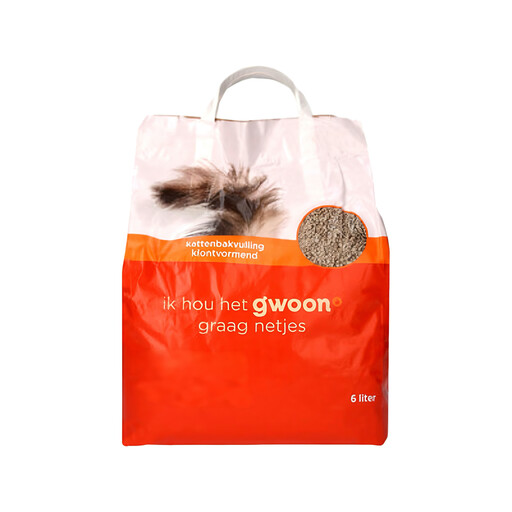
Why it suits this profile: The 6-litre capacity is manageable for anyone trying clumping cat litter for the first time or using a single litter tray. According to the product description, the litter is designed for easy cleaning and odour control.
The product information mentions ultra-clumping, so you do not have to rely solely on a vague description of its fragrance.
6-litre capacity; clumping action; suitable for all cat breeds according to the product description.
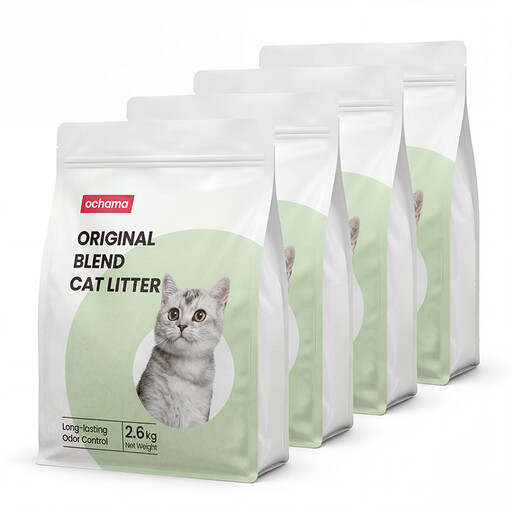
Why it suits this profile: The set contains four 2.6 kg bags, totalling 10.4 kg. The blend of bentonite and tofu is designed for households looking to combine clumping, odour absorption and reduced dust.
The description states a hardness of at least 40 N and a moisture content of 8.4%, providing more specific information than simply saying “strong clumps”.
10.4 kg in total; bentonite and tofu blend; according to the product description, unscented and designed to produce little dust.
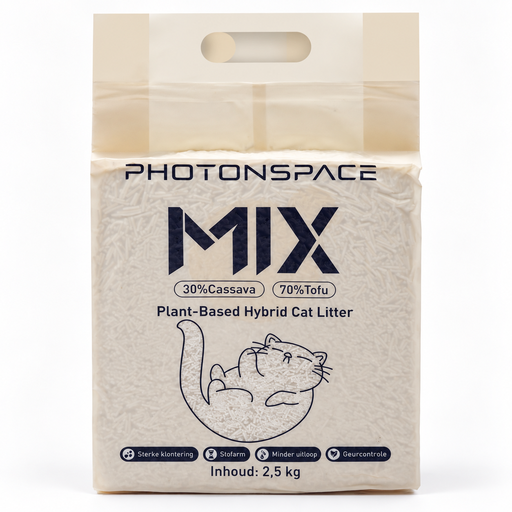
Why it suits this profile: According to the product description, this plant-based blend is made from 70% tofu and 30% cassava. The variant is intended for traditional and compatible automatic litter trays.
The composition and recommended use are clearly described. However, check that your automatic litter tray supports these granules.
Plant-based and, according to the description, biodegradable; 2.5 kg per bag; suitable for traditional and certain automatic trays.
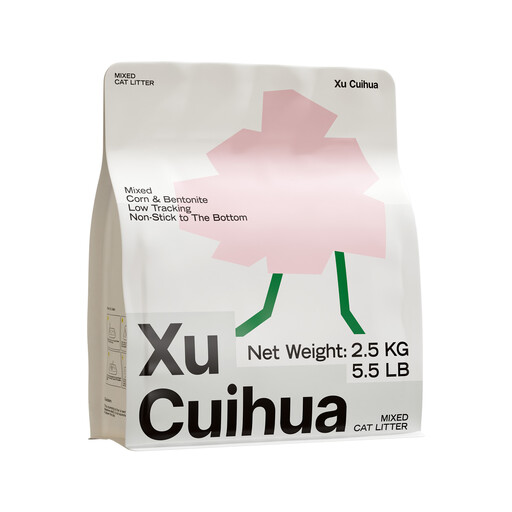
Why it suits this profile: The mineral and plant-based blend is designed for fast clumping and daily scooping. The product description mentions a fine, sand-like texture and added deodoriser.
The description mentions firm clumps and reduced sticking to the tray or scoop. The warning about fine particles being spread around the home remains relevant, however.
2.5 kg capacity; bentonite and natural materials; according to the product information, fast-clumping and intended for all life stages.
We have put together a complete, up-to-date list of products that fully meet these strict selection criteria and the applicable European safety regulations.
That depends on the appliance. Check whether the manufacturer specifies a particular type, weight or granule size. Some tofu and cassava variants are suitable for automatic trays, while others specifically advise against it. Only use a product when both the product page and your litter tray’s manual allow it.
Scoop out solid waste and urine clumps every day. Then top up the tray to around 5 to 8 cm. How often you replace all the litter depends on the number of cats, the size of the tray and the material. Clean the empty tray regularly with a mild cleaning product and allow it to dry thoroughly before adding fresh litter.
Do not assume that it can. According to the product instructions mentioned, bentonite clumps must not be flushed away. You should also check the label for plant-based cat litter and take local sewerage requirements into account. If in doubt, place used litter in a securely sealed bag and dispose of it with household waste.
