
Vandaag of morgen in huis

Kwaliteit gegarandeerd

Welkomstaanbiedingen ontgrendelen: GRATIS bezorging | Tot 80% korting | Gratis 30 dagen JoyPlus-proefperiode
Download de app
Cleaning the litter tray is part of everyday life with a cat. However, the wrong cat litter can result in clumps falling apart, dust on the floor or smells that quickly return. An appealing product claim does not always tell the whole story either. So check the ingredients, instructions and suitability for your litter tray before ordering.
Cat litter designed to tackle odours can work through rapid moisture absorption, clumping, activated carbon or fragrance. These are different properties. For example, scented litter masks an odour, while clumping litter can remove moisture from the tray more quickly. So check whether the product description clearly states which material is used for odour control.
Also consider your cat’s preferences. A strong fragrance may make a cat less willing to use the tray. Unscented options, such as some tofu cat litter, can be a practical choice.
Fine granules are pleasant for digging, but they can spread when the tray is being topped up or scooped. Terms such as “low dust” or “almost dust-free” are product claims made by the brand. According to ochama’s product description, for example, the grinding technique used reduces dust particles; this is not a guarantee that no dust will be released at all.
Fill the tray carefully, use a mat underneath it and place it in a well-ventilated room. If your cat is sensitive, keep a close eye on how it reacts to new litter.
An automatic litter tray usually requires a specific granule size, clump firmness and minimum drying time. Clumps that are too soft may break apart as the tray rotates, while granules that are too large or too light may not be disposed of properly. Always check both the automatic litter tray’s manual and the litter product listing.
According to its product information, Pidan 3-in-1 Blend Cat Litter, for example, is not recommended for automatic litter trays. A product that appears suitable for everyday use is therefore not automatically suitable for a self-cleaning system.
With clumping cat litter, the firmness of the clump is particularly important. A compact clump is more likely to stay intact while scooping and leaves fewer wet residues on the bottom of the tray. Bentonite cat litter is known for its mineral base and firm clumping. Plant-based options include tofu, cassava, soya, pea, maize and wheat fibres.
Look out for the following:
Tofu cat litter and other plant-based cat litters are generally lighter than mineral litter. This makes transporting and topping up the tray easier. However, biodegradable does not mean you can flush the product without checking first. Follow the label and local waste-disposal regulations.
Mixed litter combines different properties. For example, ochama’s product description states that it combines bentonite and tofu, while Photonspace offers a formula containing tofu, cassava and bentonite. Do not compare only the number of ingredients. Pay particular attention to the layer depth, pack weight and instructions for everyday use.
Low-dust cat litter can help reduce the amount of granules and powder spread around the tray. The shape of the granules also plays a part. Fine granules may feel comfortable on cats’ paws, but they can sometimes be carried outside the tray more easily. Coarser granules may stay in the tray better, but they are not comfortable for every cat.
Choose according to your home:
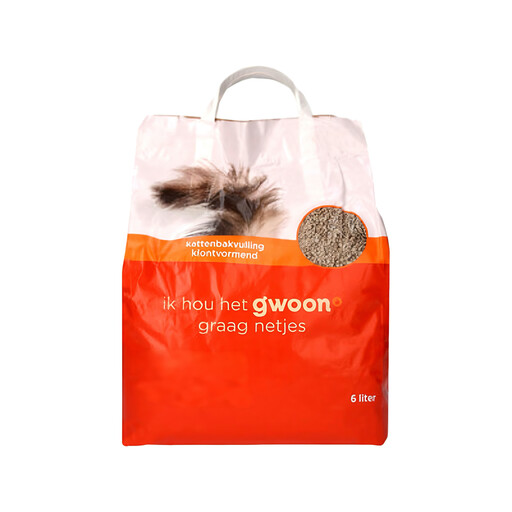
Why it suits this profile: A manageable 6-litre pack for anyone wanting to try standard clumping cat litter without immediately buying a large multipack.
The product information explicitly mentions ultra-clumping and odour control, so you do not have to rely on a vague marketing term alone.
6 litres, clumping and, according to the product description, suitable for all cat breeds.
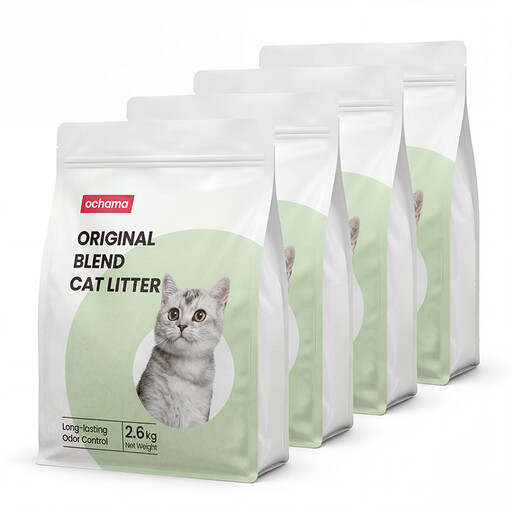
Why it suits this profile: A 10.4 kg multipack for households that use litter regularly and want to combine different material properties.
The packaging states that it combines bentonite and tofu, recommends a layer depth of 5–8 cm and advises daily scooping.
10.4 kg in total, unscented according to the product information and featuring a mixed composition.
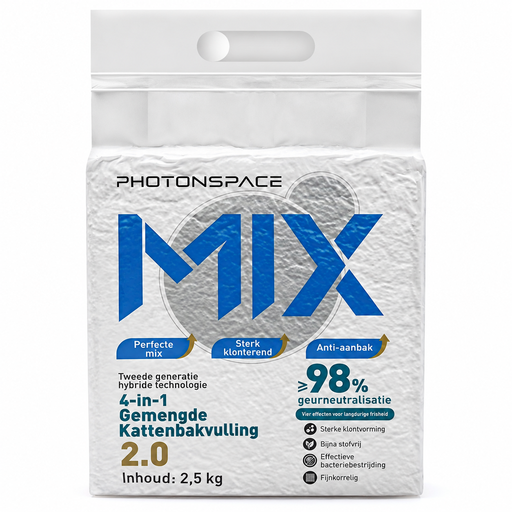
Why it suits this profile: Designed for users of a compatible self-cleaning litter tray who are looking for unscented, clumping litter.
The product description explicitly states that it is suitable for compatible automatic litter trays and recommends using a layer of 5–6 cm.
Tofu, cassava, bentonite and an odour-absorbing ingredient; unscented and designed to form firm clumps.
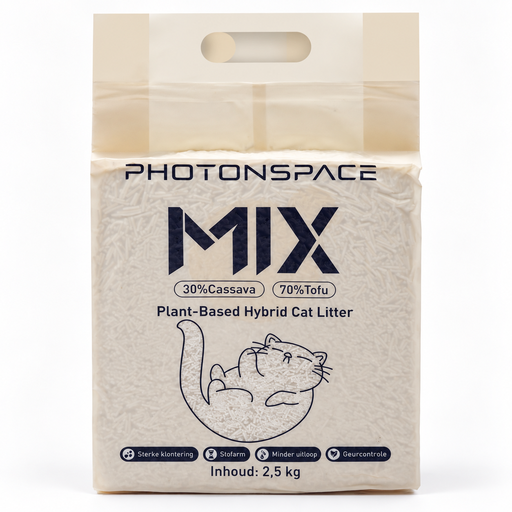
Why it suits this profile: A lightweight plant-based option for anyone wanting to combine tofu and cassava with clumping and use in a traditional or compatible automatic litter tray.
The composition is clearly stated as 70% tofu and 30% cassava. The layer depth, daily cleaning and waste-disposal instructions are also provided.
Plant-based composition, 6 litres, clumping and, according to the product description, suitable for traditional and compatible automatic litter trays.
We have put together a complete, up-to-date list of products that fully meet these strict selection criteria and the applicable European safety regulations.
Fill the tray according to the product instructions and remove faeces and urine clumps daily. How often you need to replace all the litter depends on the number of cats, the size of the tray and the material. When changing the litter, clean the tray with a mild cleaning product and allow it to dry thoroughly before adding fresh litter.
Do not use used cat litter as bedding for other animals, and do not flush clumps unless the label explicitly permits it. Store an opened bag in a cool, dry place and reseal it to prevent moisture absorption.
If you want to enhance your cat-care routine further, you could also consider a cat water fountain. According to the product description, the PETGUGU model has a 2-litre reservoir, a motion sensor and an app that provides notifications including water-level and filter alerts. A cat water fountain does require regular maintenance, however: according to the instructions, the tank should be cleaned once or twice a week and the filter replaced periodically.
For unwanted behaviour, you can use a cat spray or motion-activated spray. The SSSCAT description mentions an odourless mist and a sensor range of approximately 1 metre. Do not aim the spray at the cat and follow the safety instructions on the label.
Scoop faeces and urine clumps out of the tray daily and top up the amount removed. Replace all the litter regularly. The right interval varies depending on the product, number of cats, tray and usage. Some product information recommends fully cleaning the tray every two to four weeks as a guideline.
Litter that absorbs moisture quickly and forms firm clumps helps you remove used sections more quickly. Bentonite cat litter can be combined with activated carbon, while plant-based options include tofu, cassava and tapioca. Always check the specific composition and instructions for use. “Odour control” is a product claim, not a guarantee for every home or cat.
This depends on the weight or volume, layer depth, number of cats and how often you scoop. As a guideline, Photonspace states that a 2.5 kg bag can last approximately one to two weeks for one cat with normal use. Treat this as an indication rather than a fixed usage period.
