
Vandaag of morgen in huis

Kwaliteit gegarandeerd

Welkomstaanbiedingen ontgrendelen: GRATIS bezorging | Tot 80% korting | Gratis 30 dagen JoyPlus-proefperiode
Download de app
A litter tray that starts to smell quickly, spreads lots of dust or is difficult to clean does more than cost you extra time. You are also more likely to buy another product that is not right for your cat, litter tray or household. Choosing the right cat litter therefore depends on more than just the price or a striking marketing claim.
The term low-dust cat litter does not automatically tell you how much dust is released. Look at the granule size, the material and how the litter is packaged. Fine granules can be pleasant for digging, but they may also stick to paws more easily. According to the product descriptions of various brands, their litter is low-dust or virtually dust-free; this is a product claim, not a guarantee for every home or cat.
Odour-control cat litter can reduce smells in several ways: by absorbing moisture quickly, trapping urine in clumps, using activated carbon or adding an odour-absorbing ingredient. A strong perfume scent is not the same as odour control. Some cats may also be less willing to use scented litter. If you are looking for a neutral option, consider an unscented variety.
A self-cleaning litter tray usually works with a sieve or rotating mechanism. Granules that are too large, too light or non-clumping may remain behind, fall out of the mechanism or fail to form sufficiently firm clumps. Always check whether the manufacturer considers the litter suitable for the specific appliance. According to the product information, Catlink recommends standard clumping cat litter. The Pidan 3-in-1 Blend, on the other hand, is specifically not recommended for automatic litter trays according to its description.
Clumping cat litter allows you to remove urine and faeces efficiently every day. Do not just look for the words “strong clumps”; also consider:
Tofu, cassava and bentonite litter can all form clumps, but their composition varies. Bentonite is a mineral clay. Tofu cat litter and other plant-based cat litter, for example, are made from fibres or starch derived from soya, cassava, peas, maize or wheat. For mixed formulas, check what proportion of each material is included.
Bentonite cat litter is often heavier and is known for forming clumps. Plant-based varieties are generally lighter to transport. “Biodegradable” does not mean that used clumps can be flushed down the toilet. The product information for the litters mentioned advises putting used litter in household waste and not flushing it.
Pay attention to storage, too. Store opened bags in a dry place and seal them properly. Moisture can cause the granules to clump together prematurely.
For multiple cats or a large cat, the amount of litter is not the only important factor. The litter tray itself must provide enough room to move around. A large litter tray with high sides helps keep granules and urine inside, while a larger waste container on an automatic litter tray means it needs emptying less often.
For electronic models, also check:
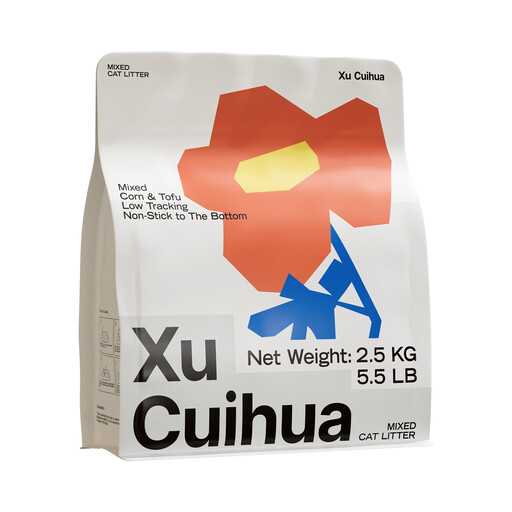
Why it suits this profile: This bag offers a straightforward introduction to tofu and plant-based litter. According to the product description, the litter forms clumps quickly and is suitable for cats at all life stages.
The usage instructions specify scooping daily, maintaining a 5–7 cm layer and not flushing the litter. This makes the practical requirements clear.
2.5 kg capacity; tofu and plant-based fillers; described as fast-clumping and easy to scoop.
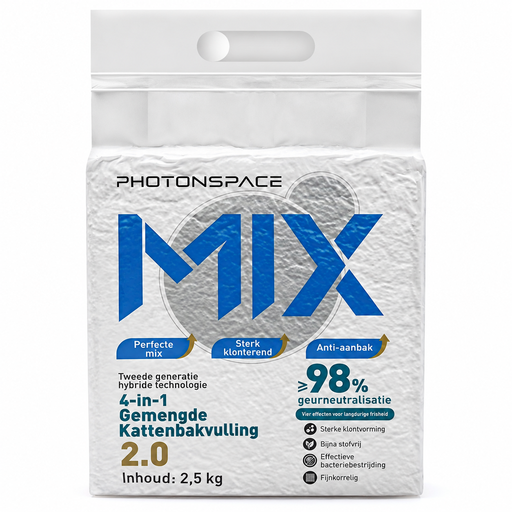
Why it suits this profile: The formula combines tofu, cassava, bentonite and an odour-absorbing ingredient. According to the product description, this unscented litter is suitable for certain self-cleaning litter trays.
The product information specifies both the granule composition and use in automatic litter trays. However, check compatibility with your model.
6 litres and 2.5 kg; strong clumping according to the description; unscented; less sticking to the bottom as a product claim.
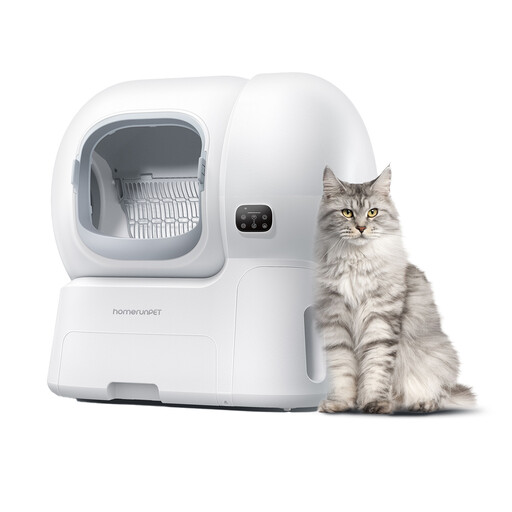
Why it suits this profile: The XL version is designed for larger cats and households with frequent use. The product information states that it has an 8-litre waste compartment and automatic litter replenishment.
You do not just need to consider the litter itself: the system is designed around automatic cleaning and replenishment. Check the dimensions and manual beforehand.
XL size; 8-litre waste compartment; automatic cleaning and automatic replenishment according to the product description.
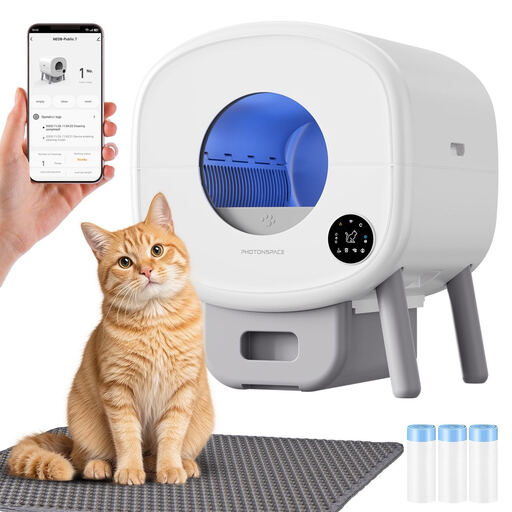
Why it suits this profile: The tray has a capacity of 95 litres, a 15-litre waste container and a specified suitable weight range of 1.5 to 10.5 kg. This makes it suitable for larger cats and more frequent use.
The specifications state the capacity, noise level and weight limit. This allows you to assess its practical suitability in advance, rather than relying solely on odour claims.
95-litre total capacity; 15-litre waste container; specified noise level of no more than 35 dB; suitable for clay, tofu and bentonite according to the product information.
We have compiled a complete, up-to-date list of products that fully meet these strict selection criteria and the applicable European safety regulations.
That depends on the mechanism. Many automatic models work with clumping cat litter, as urine clumps can be removed through a sieve. Always check the manual. According to the product description, the Photonspace Tofu 4-in-1 is suitable for self-cleaning litter trays, while Pidan 3-in-1 is specifically not recommended for automatic models.
This varies depending on the weight, granule type, number of cats and drinking habits. As a guideline, the Photonspace product information states that a 2.5 kg bag can last approximately one to two weeks for one cat. Treat this as an indication, not a fixed usage period. With multiple cats, topping up more frequently is normal.
In addition to the purchase price, you will pay for cat litter, electricity, odour filters or odour-absorbing components and, where necessary, litter tray liners. A model with a larger waste container may need emptying less often, but also check the price and availability of consumables. Before you buy, make a simple calculation based on the number of cats and the amount of litter you use each week.
