
Vandaag of morgen in huis

Kwaliteit gegarandeerd

Welkomstaanbiedingen ontgrendelen: GRATIS bezorging | Tot 80% korting | Gratis 30 dagen JoyPlus-proefperiode
Download de app
As a cat owner, you naturally want your cat to be healthy and happy. A walk down the cat food aisle can be overwhelming: the choice in cat kibble is enormous. How do you know which dry food is right for your cat, especially if they have specific needs after sterilisation or due to sensitive digestion?
This guide is designed to help you. We'll provide practical guidance to understand the specifications on the packaging and make an informed choice. Additionally, we'll highlight several popular options that cater to the common needs of adult cats in the UK.
Before you put a bag of food in your shopping basket, it's useful to consider a few key points. These will help you filter through the marketing and focus on what your cat truly needs.
A kitten requires different nutrients than a senior cat. For an adult cat's kibble, the composition is focused on maintaining a healthy weight and muscle mass. A common specific need is that of a sterilised or neutered cat. After this procedure, the hormonal balance changes, which can slow down metabolism and increase appetite. Cat food for a sterilised cat therefore often has an adjusted ratio of protein and fat to help manage weight gain and keep the urinary tract healthy.
Some cats naturally have a more delicate digestive system. Symptoms can range from a fluctuating appetite to poorer stool quality. Cat food for sensitive digestion typically contains highly digestible ingredients, such as turkey or rice. Prebiotics, like chicory, are also often added to nourish the good bacteria in the gut and contribute to a balanced gut microbiome.
The ingredients on a package are always listed in descending order by weight. This means the first ingredient listed is the most abundant. Cats are natural carnivores, so a clear animal protein source (like chicken, turkey, or salmon) as one of the first ingredients is a good sign. Also, pay attention to the analytical constituents, which indicate the percentage of crude protein, fat content, and crude fibre. A higher protein content, for example, helps maintain strong muscles.
Based on product specifications and the needs of many cat owners, we have compiled a list of choices.
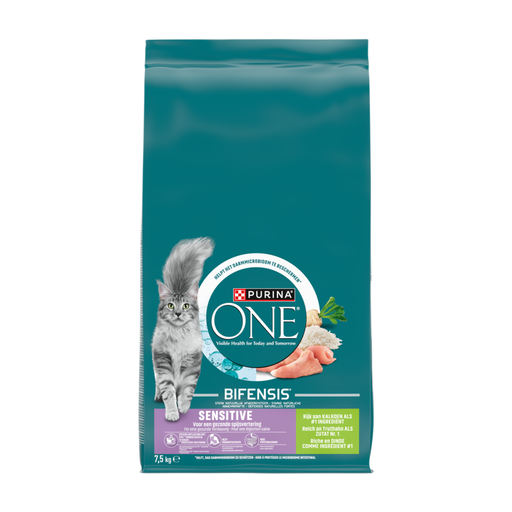
Why it stands out: This Purina One cat food is specifically formulated for cats with sensitive digestion and a delicate appetite. The focus is on supporting a healthy gut microbiome.
Benefits:
Who is it for? For owners of adult cats who notice their pet has a sensitive stomach or a picky appetite and are looking for food that actively supports digestion.
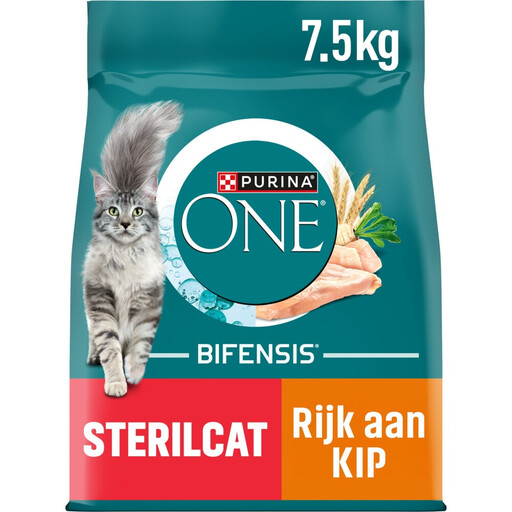
Why it stands out: This food is directly targeted at the changed needs of a cat after sterilisation or neutering. The composition helps maintain a healthy metabolism and weight management.
Benefits:
Who is it for? For owners of a sterilised or neutered adult cat who are looking for a complete food that helps maintain an ideal weight and a healthy urinary tract.
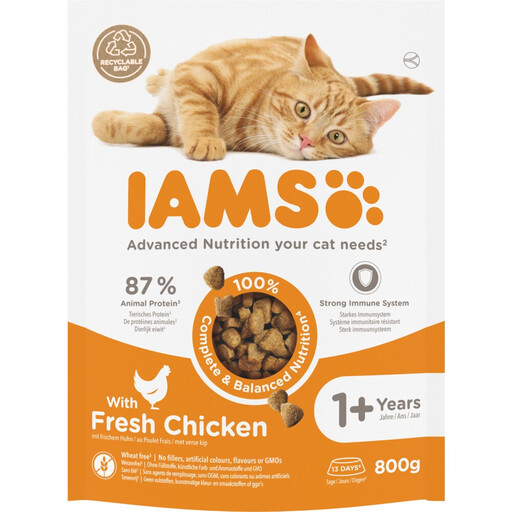
Why it stands out: This Iams cat food is an all-round nutrition that focuses on the overall vitality of the adult cat. The emphasis is on a high percentage of animal protein for strong muscles.
Benefits:
Who is it for? For owners of a moderately active adult cat without specific issues, who are seeking a high-quality, complete food that supports overall health and vitality.
The right nutrition is highly dependent on your cat's individual needs. If the perfect cat kibble for your pet isn't listed here, or if you simply want to compare more options, a wide range is available to suit various tastes and requirements.
View our full range of kibble here
The required amount depends on your cat's weight, age, and activity level. A feeding guide is provided on every package. For a 2-4 kg cat, this is often 30-60 grams per day. For a 4-6 kg cat, it's around 60-85 grams. Always ensure fresh drinking water is available.
Kitten kibble contains more calories, protein, and fat to support rapid growth and development. The minerals, such as calcium and phosphorus, are also tailored for bone development. Kibble for an adult cat is focused on maintenance: preserving a healthy weight and good condition, with a lower energy density.
Yes, combining dry and wet food, also known as 'mixed feeding', is a popular choice. Dry food is good for dental health and can be left out all day. Wet food has a high moisture content, which helps keep your cat hydrated and supports the urinary tract. If you combine them, adjust the portions of both to prevent overfeeding.
