
Vandaag of morgen in huis

Kwaliteit gegarandeerd

Welkomstaanbiedingen ontgrendelen: GRATIS bezorging | Tot 80% korting | Gratis 30 dagen JoyPlus-proefperiode
Download de app
There is a wide variety of cat food available. You will come across terms such as grain-free, indoor, urinary, senior and sensitive, but these labels do not automatically mean that a recipe is right for your cat. The best choice depends on age, body condition, activity level, neutering status and any dietary sensitivities.
As a Joybuy Product Recommendation Officer, I filter the most important information from product labels and specifications. This allows you to compare cat food without relying solely on marketing claims.
“Grain-free cat food” sounds like an obvious quality choice to many owners. However, grain-free only means that certain grains are absent. You should also review the full composition, protein content, fat, fibre, minerals and whether the product is labelled as complete nutrition.
A grain-free recipe may also contain other sources of carbohydrates, such as peas, potato or quinoa. This is not necessarily a concern, but it is information you should take into account.
Cat food for sensitive digestion, urinary cat food and weight-management cat food are designed for specific nutritional situations. They do not replace a diagnosis or treatment.
Does your cat experience recurring urinary problems, persistent vomiting, diarrhoea or noticeable weight loss? Discuss its diet with a vet first. Product claims about benefits should also be understood as brand claims. According to Purina’s own information, for example, certain recipes have been developed to support urinary health or the gut microbiome; this is not a guarantee that they will suit every cat.
A small bag can be useful for trying a new recipe, but a larger pack is not necessarily better value if your cat refuses the food. Dry cat food also does not stay fresh indefinitely once opened. Start with a suitable quantity and store it in an airtight container in a cool, dry place.
Wet cat food involves a different consideration: it contains a high proportion of moisture, but an opened can, tray or pouch should be refrigerated and used within the period stated on the label.
Look for wording on the label such as complete nutrition for adult cats, senior cats or neutered cats. An adult indoor cat generally has different energy requirements from an active outdoor cat. For cats aged 7 and over, senior cat food may be better suited to their stated life stage.
Pay attention to the recommended daily amount as well. This is a guideline. Adjust the portion according to your cat’s weight, body condition and activity level rather than relying on age alone.
Ingredients are generally listed in descending order by weight. Check which animal-derived source appears first, such as chicken, lamb, fish or quail. Products containing chicken, lamb or quail may be worth considering if you want to vary the protein source, but a different flavour is not proof that your cat will tolerate it better.
As an objective example, Farmina N&D Quinoa Cat Skin & Coat Quail contains at least 30% crude protein and 16% crude fat according to the product information. The recipe includes quail, fish oil and quinoa. Purina One Indoor Adult with turkey contains 17% turkey and 17% wholegrain wheat according to the listed composition.
Dry food is easy to portion and store. Wet food can help increase the amount of moisture in your cat’s daily diet, but always check that the product is labelled as complete nutrition.
A 300-gram pack is practical when introducing a new recipe. Packs ranging from 1.5 to 10 kg may be more convenient for a cat that eats the same food consistently, but only if shelf life, storage and acceptance are all satisfactory. Whichever type of food you choose, provide fresh drinking water.

Why This Fits Their Persona: A practical starting point for an adult indoor cat when you are looking for complete dry food with turkey and grains.
The composition makes it clear that this is not a grain-free recipe. This prevents you from forming the wrong expectation based on the product name alone.
800 grams, turkey as the stated animal-derived source and a recipe that Purina says is tailored to indoor cats.
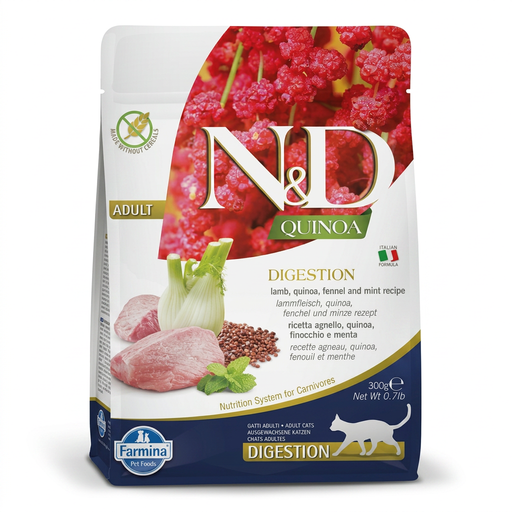
Why This Fits Their Persona: Ideal for owners who want to explore a grain-free formula with lamb and quinoa in a convenient trial-size pack.
The product information identifies the recipe as grain-free and lists its ingredients, including fresh and dehydrated lamb, herring and quinoa. Always check the current packaging.
300 grams, a grain-free composition and lamb as a prominent protein source according to the product description.
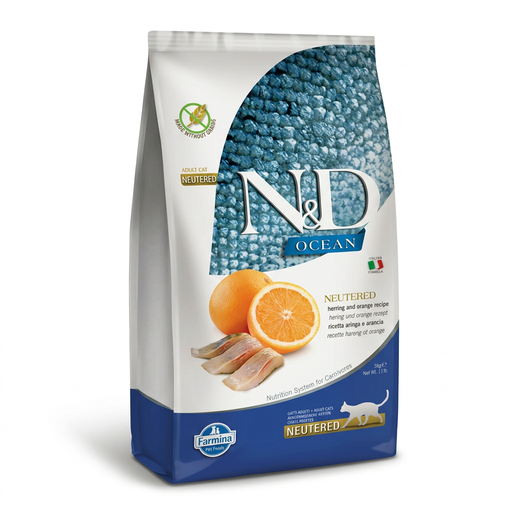
Why This Fits Their Persona: A larger pack for adult neutered cats that eat grain-free dry food every day.
The product specification states that the recipe contains 11% fat and is formulated for neutered cats. Continue to weigh portions carefully; a tailored formula does not automatically prevent overfeeding.
5 kg, herring as the primary source in the listed composition and 46% crude protein according to the product label.

Why This Fits Their Persona: Designed for cats aged 7 and over that need complete dry food with chicken and whole grains.
The age recommendation is clear. According to Purina’s own information, chicken is the first listed ingredient; check the packaging at the time of purchase.
800 grams, intended for cats aged 7 and over, with chicken listed as a protein source.
Explore a current selection of cat food organised by age, lifestyle and specific nutritional needs.
Choose complete nutrition formulated for adult indoor cats and focus especially on the daily portion. Indoor cats are often less active, but individual needs can vary considerably. Weigh your cat regularly and adjust the amount according to its body condition.
No, grain-free food is not automatically necessary. The most important factors are that your cat tolerates the complete food well and that the recipe suits its age and activity level. If your cat has a diagnosed food allergy or intolerance, consult a vet before eliminating ingredients.
Yes, provided both products are complete nutrition and you monitor the total daily amount. Reduce the quantity of dry food when adding wet food. Introduce new food gradually over approximately seven days to make the transition easier to manage.
