
Vandaag of morgen in huis

Kwaliteit gegarandeerd

Welkomstaanbiedingen ontgrendelen: GRATIS bezorging | Tot 80% korting | Gratis 30 dagen JoyPlus-proefperiode
Download de app
Buying a new bag or box of cat food seems straightforward, until you have to choose between wet food, dry food, kitten food, grain-free cat food and food for neutered cats. Packaging is often covered in terms such as ‘natural’, ‘premium’ and ‘with meat’. On their own, these words say little about whether the food is suitable for your cat.
Look out for these three common pitfalls:
Look for wording such as complete food for cats, ‘complete pet food’ or ‘complete feed’. This means the product is intended as a daily food for the stated animal species and life stage, according to the product specification.
A product labelled ‘complementary’ is different. For example, according to the product information, Felix Soup Fish is complementary wet food for adult cats. The recommended amount is one pouch per 4 kg of body weight per day, as an addition to a complete meal. So it is not a replacement for your cat’s daily main food.
INABA Broth Chicken with Salmon Recipe is also sold as a hydrating treat. The ingredients list states that it contains 93% moisture, and the product is intended to be served as an extra.
Kitten food is formulated for the growth stage, from weaning until around 12 months of age. Adult cats generally need food suited to their age, weight and activity level. After neutering, a food for neutered cats can be a practical choice if you want to manage portions and energy intake more closely.
Also check the feeding guidelines on the packaging. An 800-gram bag and a 10 kg bulk pack may contain the same type of food, but they are not equally convenient for every household. A smaller pack is useful if you want to check whether your cat likes the taste first.
Wet cat food usually contains plenty of moisture and is often sold in portion-sized pouches. This can be useful for cats that do not drink much, or for owners who want to divide meals up easily. Once opened, leftovers should be refrigerated and used within the stated time.
Dry cat food keeps for longer once opened, provided you store it in a dry place in a sealed container. It is convenient for everyday portions, but fresh drinking water should always be available. If you combine wet and dry food, check the total daily amount: you should not simply add the recommended portions together.
‘Grain-free’ does not automatically mean a food is better suited to your cat. Always check the full ingredients list, analytical constituents and intended nutritional purpose. If you suspect an allergy or illness, or your cat needs a special diet, it is best to consult a vet rather than relying on a marketing term alone.
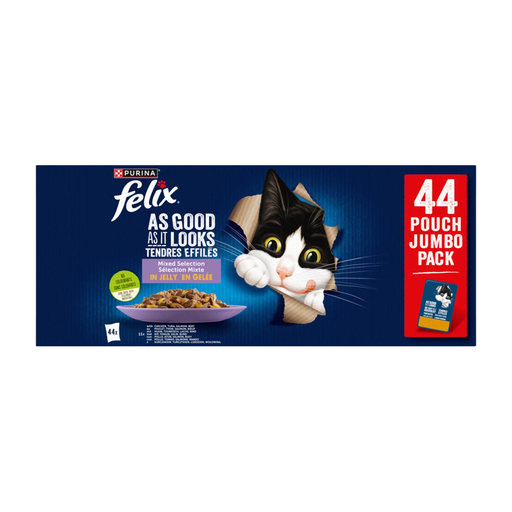
Why it suits this profile: This multipack contains 44 portions of 85 grams in a range of flavours. That makes it easy to portion out meals and try different varieties.
The product information clearly states that this is complete food for adult cats. Do check the portion guidelines and the current packaging.
44 individual pouches, 3.74 kg in total, with salmon, beef, chicken and tuna varieties.
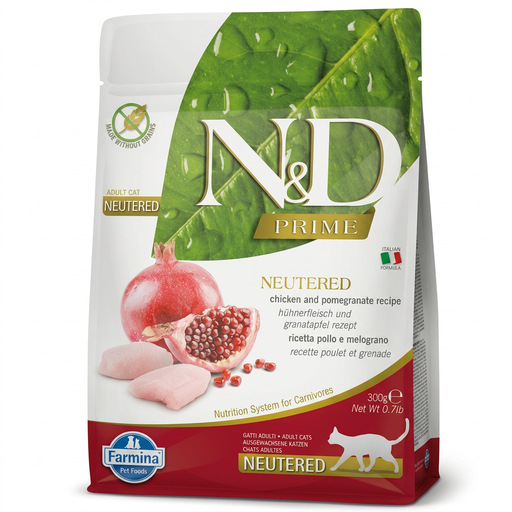
Why it suits this profile: This small pack is designed for neutered cats and is described as grain-free, with chicken, herring, egg and fish oil.
The intended age group and recommended amounts by body weight are clearly stated. So you do not have to rely on the term ‘grain-free’ alone.
38% crude protein, 16% crude fat, a 300-gram pack and taurine listed as a nutritional additive.
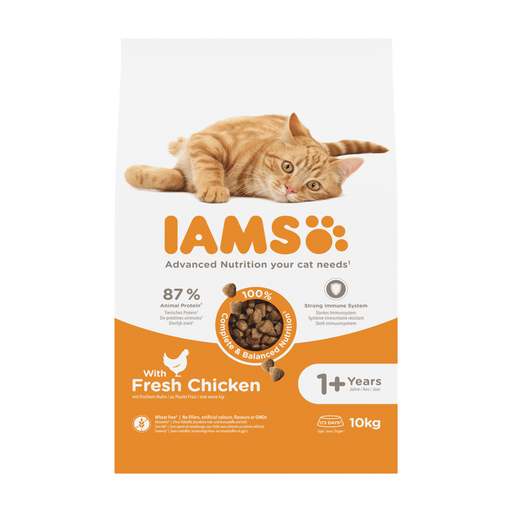
Why it suits this profile: This large bag is suitable for households with several adult cats, or for anyone who feeds dry food every day.
This food is clearly intended for adult cats. Keep the bag tightly sealed and weigh out portions to help avoid overfeeding.
10 kg pack, fresh chicken listed as an ingredient, and omega 3 and 6 according to the product description.

Why it suits this profile: According to the product information, this food is intended for kittens from weaning until 12 months, and contains chicken and grains.
The age range is clearly stated. Follow the feeding guidelines on the packaging and introduce new food gradually.
800-gram pack, complete food for kittens, and can be served dry or softened with a little water.
We’ve put together a complete, up-to-date list of products that meet these strict selection criteria and the applicable European safety regulations.
Not necessarily. Wet food contains plenty of moisture and can suit cats that do not drink much. Dry food is easy to portion and store. The most important thing is to choose complete food that suits your cat’s age, weight and activity level. If you feed a combination, add together the daily amounts of both types.
Store an opened bag of dry food in a cool, dry place, tightly sealed. The recommended storage time for wet food varies by product. Felix Every Day says leftovers should be refrigerated and used within 24 hours. Felix Soup states a maximum of two days. Always check the packaging, as instructions can vary from product to product.
It depends on your cat’s body weight, age, activity level, condition and type of food. Use the feeding guidelines on the packaging as a starting point, and adjust the amount if your cat’s weight or body condition changes. If you are concerned about your cat being overweight or underweight, or they need a special diet, do not make arbitrary changes to their feeding routine; ask a vet for advice.
