
Vandaag of morgen in huis

Kwaliteit gegarandeerd

Welkomstaanbiedingen ontgrendelen: GRATIS bezorging | Tot 80% korting | Gratis 30 dagen JoyPlus-proefperiode
Download de app
Buying cat food seems simple until you are standing in front of a shelf or a long list of products. Are you looking for dry cat food, wet cat food, kitten food or simply a snack? Packaging often focuses on flavour, “premium” ingredients or appealing benefits. However, these terms do not always tell you enough about whether a product is suitable for everyday use.
Three common pitfalls are:
The packaging should clearly state whether the product is complete cat food or complementary cat food. Complete food is formulated to serve as a main meal for the stated animal species and life stage. Complementary food, such as soup or a liquid treat, should be given as an extra.
For example, according to the product information, INABA Fun Bites Cat Chicken Wraps Tuna is a complementary food. The product contains 93% moisture and can be given as a treat or supplement. This makes it appealing for cats that do not drink much, but it does not replace a complete meal. Always provide fresh drinking water as well.
A kitten has different nutritional needs from an adult cat. So check the product description:
According to the product description, Purina One Junior is intended for kittens from weaning to 12 months, as well as pregnant or nursing cats. Iams kitten food lists DHA, taurine, vitamins and minerals among its ingredients. Product details like these can be checked on the label; general marketing terms without nutritional information are less useful.
Wet food generally contains plenty of moisture and is available in tins, trays or pouches. This is practical if you want to measure out each meal. Dry cat food lasts longer after opening and is easy to portion with a measuring cup, but always provide fresh water.
When choosing wet food, check:
With cat biscuits, the bag weight, recommended portion and suitability for your cat’s age are important. A large pack can be good value if your cat tolerates the food well and you store it in an airtight container. Do not buy a large quantity straight away if you do not yet know whether your cat will like it.
The choices below are based on the available product information, such as age category, nutritional status, packaging, flavour and moisture content. Always check the current label and feeding guidelines on the packaging before buying.
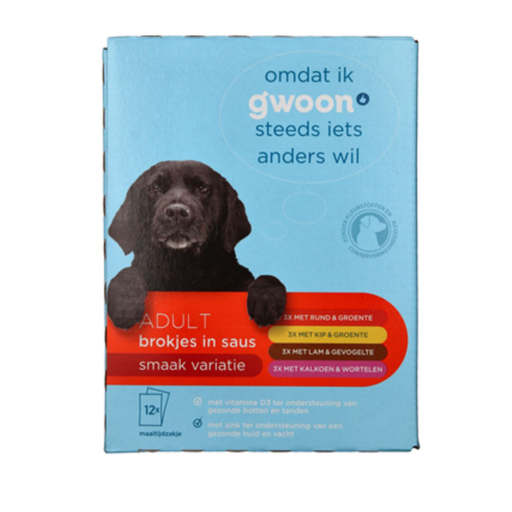
Why it suits this profile: The multipack contains 12 portion pouches in a range of flavours, making it practical for daily meals, portioning or adding variety.
The product information states that this is complete wet food for adult cats. This makes its nutritional status clearer than that of an individual snack or soup.
12 portion pouches, varieties with chicken, beef and salmon, and a high moisture content according to the product description.
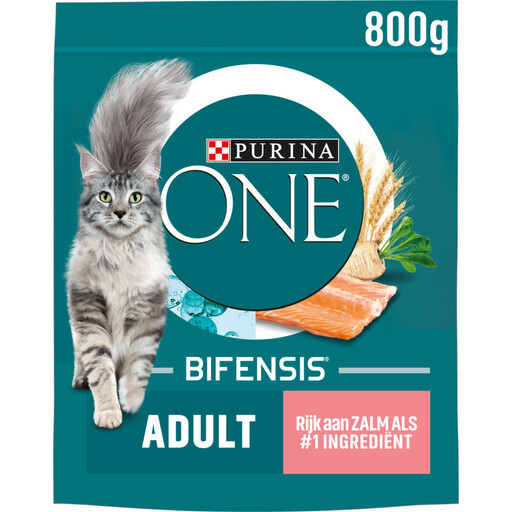
Why it suits this profile: According to the product information, this variety is designed for adult cats aged one year and over and combines dry food with salmon as the first ingredient.
The recommended age and weight of 800 grams are clearly stated. This helps you avoid buying kitten food or an unnecessarily large supply.
Complete food for adult cats according to the product description, with a recipe featuring salmon and whole grains.
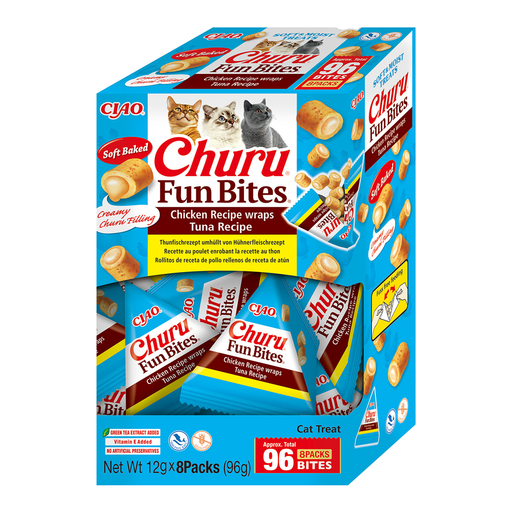
Why it suits this profile: Handy as a complementary treat, reward or moist addition alongside your cat’s usual meal.
The label explicitly states that this is complementary cat food. Do not use it as your cat’s complete daily food.
93% moisture, four stated flavours and portion guidance that takes your cat’s weight into account.

Why it suits this profile: This variety is specifically intended for kittens from weaning to 12 months and is available as dry food.
The age limit is stated in the product information. This makes it easier to distinguish kitten food from cat food for adult cats.
800-gram pack, chicken as a stated ingredient and nutritional information for the growth stage.
We have put together a complete, up-to-date list of products that fully meet these strict selection criteria and the applicable European safety regulations.
Choose a product that clearly states it is complete food for adult cats. Also check the recommended daily amount and adjust it according to your cat’s weight, activity level and any other food it receives. If you have concerns about a diet or health issue, it is sensible to consult a vet.
Wet and dry food have different practical benefits. Wet food generally contains more moisture and is often supplied in portions. Dry food is easy to store and measure. The right choice depends on your cat’s preference, the product’s nutritional status and your daily routine. You can combine both, provided you keep track of the total amount.
Keep opened wet food covered in the fridge and follow the storage period stated on the packaging. Many products in the available information recommend using them within 48 hours. Use an opened pouch of cat soup or a snack according to the stated guidance. Seal dry food properly after opening and store it in a cool, dry place. Throw food away if its smell, colour or texture changes noticeably.
