
Vandaag of morgen in huis

Kwaliteit gegarandeerd

Welkomstaanbiedingen ontgrendelen: GRATIS bezorging | Tot 80% korting | Gratis 30 dagen JoyPlus-proefperiode
Download de app
Buying cat food seems simple until you are standing in front of a shelf or scrolling through a long online list. Dry food, wet food, grain-free cat food, options for sterilised cats and multipacks: the differences are not limited to taste and price. The wrong choice can lead to food your cat refuses, an inconvenient storage routine or unintentionally oversized portions.
The following pitfalls are common:
Look for terms such as complete food, complete pet food or complete and balanced food for the appropriate life stage. Cat food for adult cats should clearly state on the packaging that it is suitable for adult cats. For a sterilised or neutered cat, a formula with tailored feeding guidance can be practical, but the daily amount still depends on weight, activity and body condition.
A product such as INABA Bisque Cat Chicken Recipe is described in the product information as complementary pet food. It contains 93% moisture and is intended as a snack, reward or topper. Do not use it as a replacement for complete cat food.
Wet cat food generally contains a lot of moisture. This can be useful for cats that drink little from a bowl, but the product takes up more storage space and needs to be refrigerated after opening. For example, Whiskas Adult Wet Cat Food Tasty Mix lists 84.5% moisture in the product information and advises using opened leftovers, refrigerated, within 48 hours.
The analytical values in dry cat food are more concentrated. Farmina N&D Prime for sterilised cats lists, among other values, 38% crude protein, 16% crude fat and 9% moisture. Purina One Sterilcat lists 37% crude protein and 13% fat. These figures are useful for comparison, but they do not by themselves determine whether a product is suitable for your cat. Always follow the portion guidance on the packaging.
The name cat food with chicken or cat food with fish can mean different things. Check how much of the named ingredient is actually present and which other animal or plant-based ingredients have been added. For example, Whiskas Tasty Mix lists percentages for chicken, beef, salmon, turkey or cod in the pieces, depending on the variety.
Grain-free cat food is not automatically necessary either. Farmina N&D Prime Neutered Cat Chicken lists a grain-free formula containing, among other ingredients, chicken, herring, eggs, peas and chickpeas. Another Farmina variety with cod contains spelt and oats. Choose based on the ingredients, your cat’s tolerance and its preferences, rather than relying solely on one label on the front of the pack.
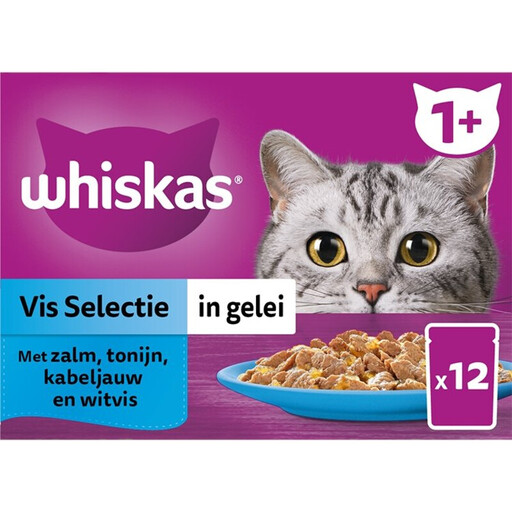
Why it suits this profile: A multipack with 12 portions of 85 grams offers variety and makes portioning straightforward for households wanting to try wet cat food.
The product information states that this is complete food for adult cats. However, check the ingredients and feeding amount for each variety.
12 × 85 g, several fish flavours and clear guidance for wet food or combining it with dry food.
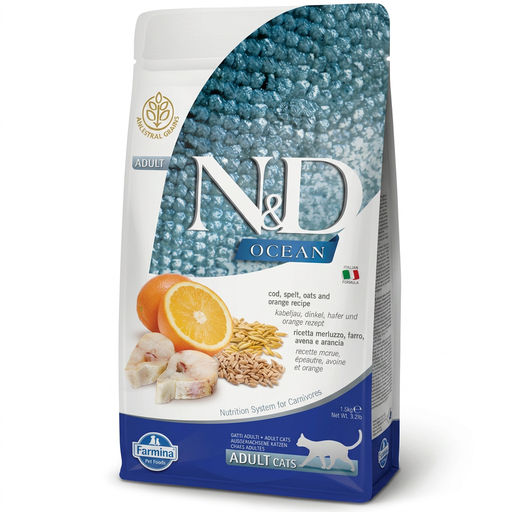
Why it suits this profile: Suitable for shoppers who want to compare the ingredient list and cod content in detail before choosing a larger pack.
The ingredients list includes 27% fresh cod and 26% dehydrated cod. This variety also contains spelt and oats, so being grain-free is not the aim.
1.5 kg pack, cod listed among the main ingredients and added taurine according to the product description.
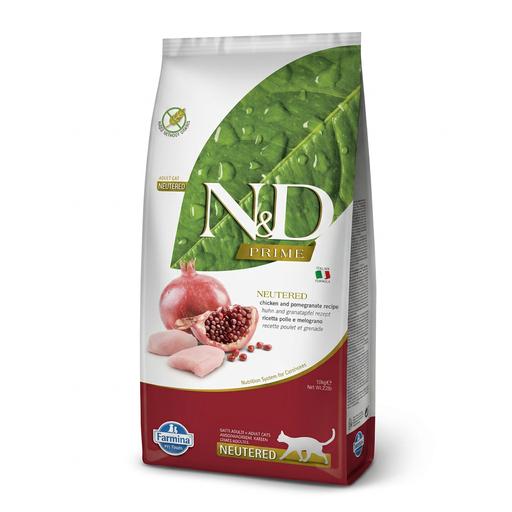
Why it suits this profile: A large pack is suitable for households with several cats or for a cat that tolerates this dry food well and eats it every day.
According to the product information, the formula is intended for neutered and sterilised cats and contains no grains. Portions must be adjusted carefully according to weight and activity.
10 kg contents, 36% crude protein, 14% fat and feeding guidance for different body weights.
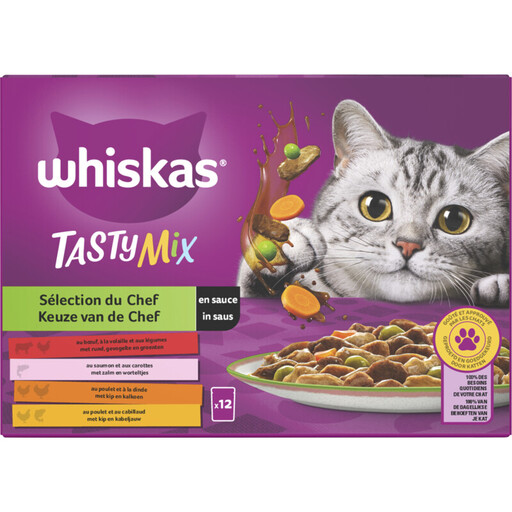
Why it suits this profile: Convenient for adult cats that enjoy variety between chicken, meat and fish in sauce.
The product information describes it as complete wet food for adult cats and provides separate portions for wet food alone or combined with dry food.
Several recipes, portion-sized pouches and clear storage instructions for leftovers in the fridge.
We have put together a complete, up-to-date list of products that fully meet these strict selection criteria and the applicable European safety regulations.
Wet cat food is practical when your cat enjoys soft food and you want to portion out each meal. After opening, check the storage period on the label. Dry cat food is easier to store and is often suitable for a consistent daily routine. Seal an opened bag securely and provide fresh drinking water.
A combination can work, but add up the calories and feeding amounts. Do not automatically use the full recommended portion of both wet food and dry food. Cat food for sterilised cats and cat food for neutered cats in particular requires careful attention to the total daily amount.
When changing food, make the switch gradually, usually over several days. Keep an eye on your cat’s stools, appetite, weight and acceptance of the new food. If problems persist or your cat has a medical condition, it is advisable to consult a vet.
This depends on weight, age, activity, body condition and the type of food. Use the guidance on the packaging as a starting point and adjust the portion if your cat’s weight changes. For dry food, weighing it with kitchen scales is more accurate than measuring by eye.
Both types can be part of a suitable feeding routine. Wet food contains more moisture and is often supplied in individual portions. Dry food is generally more convenient to store after opening. Above all, check that it is complete food and choose a format your cat accepts well.
Always follow the packaging instructions. Many opened trays, pouches or tins of wet food should be sealed, stored in the fridge and used within 24 to 48 hours. Dry food generally remains usable for longer when stored somewhere cool, dry and airtight, but you should also check the manufacturer’s instructions.
