
Vandaag of morgen in huis

Kwaliteit gegarandeerd

Welkomstaanbiedingen ontgrendelen: GRATIS bezorging | Tot 80% korting | Gratis 30 dagen JoyPlus-proefperiode
Download de app
Choosing cat food with fish may seem straightforward: select salmon, tuna or cod and order a pack. In practice, products vary considerably in nutritional value, intended use and suitability for your cat’s life stage. An appealing label also does not always tell you whether the food is complete or intended only as a complementary product.
Use these checks to avoid disappointing purchases and compare wet cat food, dry cat food, treats and multipacks in a practical way.
The front of the pack may prominently feature “salmon”, “tuna” or “white fish”, while the ingredients list shows a much lower proportion of that fish species. For example, Felix Fish Mix lists 4% cod, tuna, salmon or plaice per variety. That is different from a recipe in which fish is the main ingredient.
So always check:
A soup, liquid treat or water supplement may be suitable as an extra, but it is not automatically a complete meal. According to their product information, Purina One Hydralife Adult Cat Complementary Wet Food Salmon Flavor and Felix Soup Fish are complementary food. They are intended to be given alongside complete food, not as your cat’s only daily meal.
Look for the following on the packaging:
Kitten food is formulated for growth and has different nutritional values from food for adult cats. After sterilisation or neutering, an adjusted portion size or formula may also be relevant. A large bag of dry food may seem economical, but it is not always suitable for a less active cat.
First, choose food based on your cat’s age and circumstances:
According to the product information, the Farmina N&D Ocean Kitten Cod range is intended as complete food for kittens. Farmina N&D Ocean Neutered Cat Herring is intended for adult neutered cats. Always follow the current feeding guidelines on the packaging; portions depend on your cat’s weight, age and activity level.
For dry food, check the levels of protein, fat, fibre, ash and moisture. Wet food naturally contains a much higher percentage of moisture, so comparing it directly with dry food can be misleading.
Objective examples from the product information:
A high protein percentage does not automatically make a product suitable for every cat. Also consider the life stage, recommended serving size and how your cat responds to the food.
Wet cat food contains plenty of moisture and is available as mousse, chunks in jelly, sauce or soup. Mousse can be practical for cats that prefer a smooth texture. Small tubs, tins or pouches help to limit leftovers, although they may work out more expensive per kilogram.
With dry food, the pack size is particularly important. A cat food multipack is useful if your cat already tolerates one of the varieties well. Start with a small bag or a few portions if you do not yet know whether your cat will accept the flavour and texture.
Once opened, wet food should be refrigerated and stored according to the instructions on the packaging. Store dry food sealed, somewhere cool and dry.
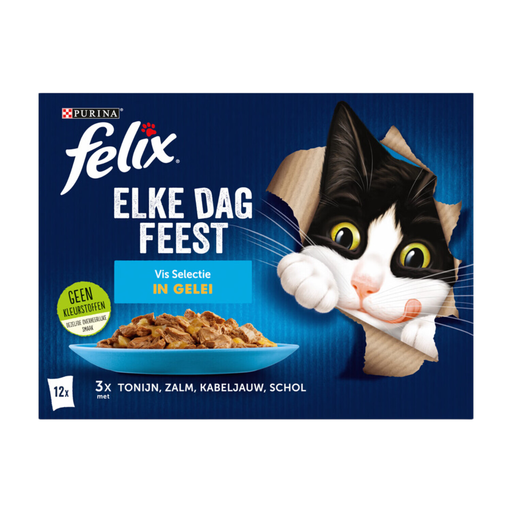
Why it suits this profile: This multipack contains several small portions and different fish varieties, including cod, tuna, salmon and plaice. That makes introducing your cat to wet food simple and manageable.
The product information states that this is complete food for adult cats. However, check the stated fish content for each variety.
12 portions of 85 g, complete adult food and several flavours in one pack.
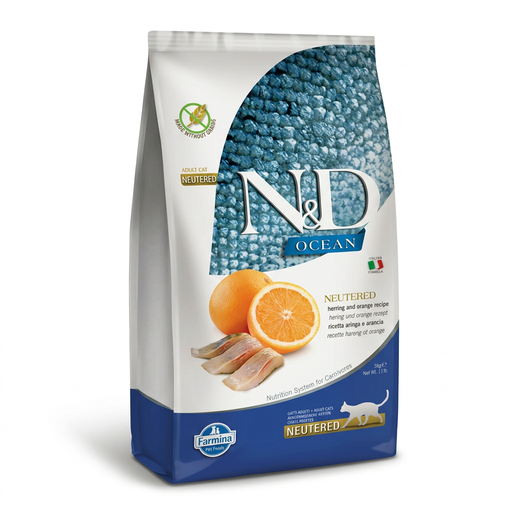
Why it suits this profile: This large bag of dry food is formulated for adult neutered cats, with herring as the primary animal protein source according to the product description.
The formula explicitly states that it is for “neutered cats”, so you do not have to guess between a standard adult variety and an adapted formula.
46% crude protein, 11% fat, grain-free composition according to the product data and a 5 kg pack.
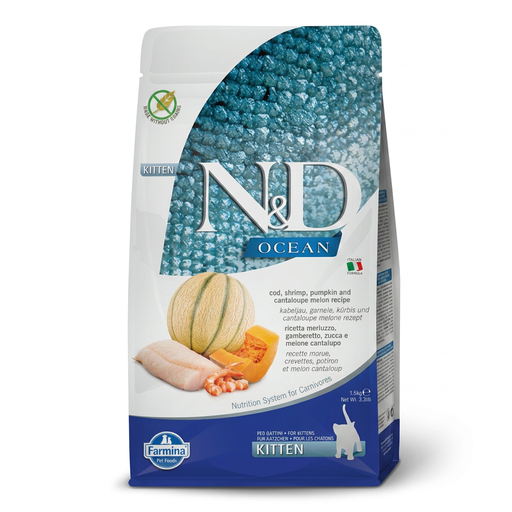
Why it suits this profile: This variety is specifically intended for kittens and, according to the product information, can also be used for pregnant or nursing cats.
The life stage is clearly stated, helping you avoid giving an adult recipe to a kitten with different nutritional needs.
Cod as an important protein source, 44% crude protein, 20% fat and stated DHA, EPA and omega 3 levels.
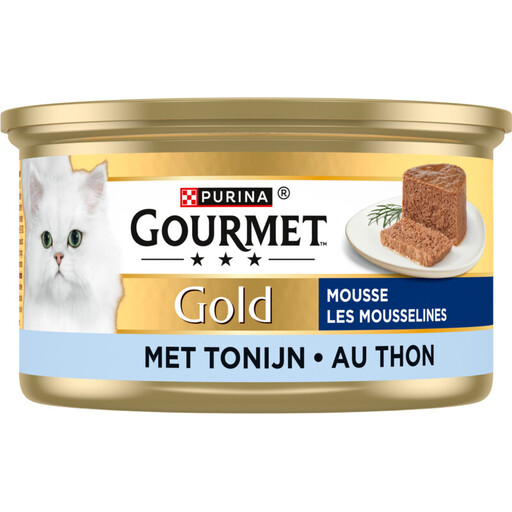
Why it suits this profile: The 85 g tin provides a convenient portion for adult cats that enjoy a soft mousse and tuna flavour.
The product information states that this is complete food for adult cats. The tuna content is listed separately as 4%, making comparisons more transparent.
85 g per tin, soft mousse, 77.5% moisture and 10.5% protein according to the stated analysis.
Dry cat food is easy to measure and keeps for longer after opening. It is practical for households that offer several small meals. Always make sure fresh drinking water is available.
Wet food generally has a high moisture content and is available in small portions. Combining the two can be useful if your cat accepts both kibble and wet food. If so, reduce the amount of main food according to the feeding guidelines, so that extra wet food or treats do not unknowingly push your cat’s daily intake above its requirements.
For a more specific selection, you can also browse cod cat food, for example if you are specifically looking for cat food containing cod.
We have put together a complete, up-to-date list of products that fully meet these strict selection criteria and the applicable European safety regulations.
Not automatically. Check the life stage, composition and any food sensitivities. If your cat has a known allergy or medical condition, it is advisable to consult a vet. A fish recipe may also contain several animal-based ingredients.
The difference is not just the flavour, but also the stated proportion of the fish species, the other ingredients and the nutritional analysis. So do not look only at the name on the front of the pack. In some products, the named fish is simply a flavour variety containing a limited percentage.
Follow the storage instructions on the label. Wet food should generally be covered, refrigerated and used within the stated period. Store dry food in a cool, dry place in a tightly sealed container. Throw food away if its smell, colour or texture changes noticeably.
