
Vandaag of morgen in huis

Kwaliteit gegarandeerd

Welkomstaanbiedingen ontgrendelen: GRATIS bezorging | Tot 80% korting | Gratis 30 dagen JoyPlus-proefperiode
Download de app
A bag or box of cat food may seem like a quick choice. Yet many cat owners end up paying too much for packaging that does not suit their cat’s age, lifestyle or preferences. Marketing copy often focuses on flavour, vitamins or attractive packaging, while important information appears in smaller print on the label.
Pay particular attention to these three common pitfalls:
Look on the packaging for “complete food” or “complete pet food” for the correct species and life stage. This means that, according to the product information, it is intended to be fed as a daily diet within the stated guidelines. If it only says “complementary food”, it is not intended to be a complete meal.
For products intended for adult cats, you should also check the feeding guide by weight. A cat weighing around 4 kg does not automatically need the same amount as an active 5 kg cat. Adjust the portion according to body condition, activity levels and any combination with treats or dry food.
Wet cat food contains plenty of moisture and is available as chunks in jelly, cat food in gravy, pâté or mousse. Jelly usually stays firmer around the chunks, while gravy may appeal to cats that like to lick up their meal. With a multipack such as Gourmet Perle Mini Fillets Mix Turkey & Tuna, you get delicate pieces in gravy, with 12 portions of 85 grams.
Dry cat food is easy to portion and stays fresh for longer after opening, provided you reseal the bag properly. When choosing dry food, check the net weight, recommended daily portion and ingredients. An 2 kg bag can be practical for everyday feeding, but is less suitable if your cat quickly gets bored with one flavour.
Combining wet and dry food can be convenient, but remember to count the energy provided by both types. Always use the feeding guidelines on the packaging as your starting point.
Ingredients are generally listed in descending order by weight. Do not focus only on phrases such as “with chicken”, “with beef” or “with tuna”. In some products, for example, the named ingredient may account for just 4% of the composition. This is verifiable information and gives you a more realistic picture than a large flavour image on the packaging.
Also look out for:
Brands may make additional claims about areas such as bacteria, metabolism or the urinary tract. Do not treat such claims as a guarantee for your individual cat. According to Purina’s own research, the Bifensis formula is associated with certain nutritional functions; always check the complete product information and seek advice from a vet if symptoms persist. This article makes no medical claims.
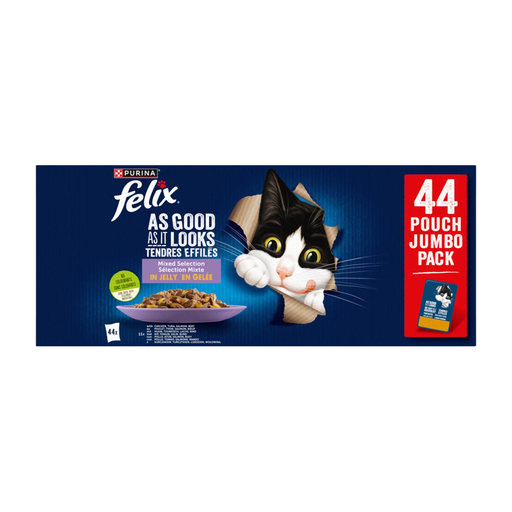
Why it suits this profile: The pack contains 44 individual 85-gram pouches and four varieties, including salmon, beef, chicken and tuna. This makes it easy to try different flavours.
The portions are individually packaged, so you are less likely to open too much at once. The composition states the proportion of the named ingredient for each variety.
Complete wet food for adult cats; 44 x 85 g; chunks in jelly; according to the product information, with no added artificial colourings, flavourings or preservatives.
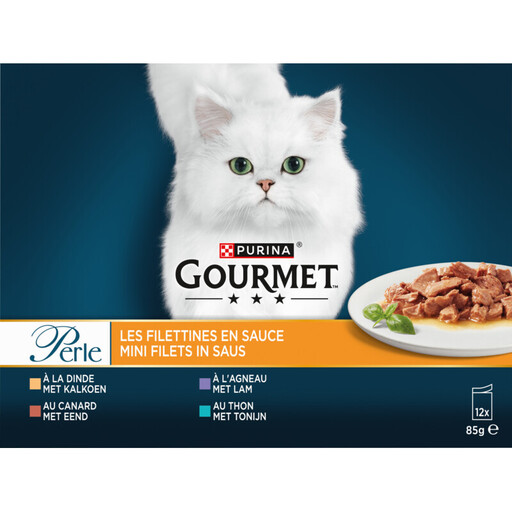
Why it suits this profile: Ideal for cats that prefer a delicate texture and gravy. The multipack combines turkey and tuna in individual portions.
The product name is accompanied by a clear specification: mini fillets in gravy, 12 pieces of 85 grams, intended as complete food for adult cats.
12 portions of 85 g; gravy texture; complete food for adult cats; according to the product information, with no added colourings, preservatives or flavourings.
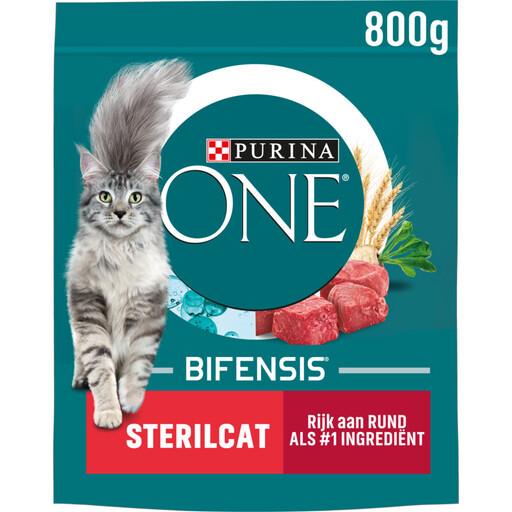
Why it suits this profile: Designed for adult, sterilised or neutered cats that eat dry food every day. The bag contains 800 grams, and the packaging provides portions for each weight range.
The target group is clearly stated. The feeding guide lists, among other amounts, 35–50 g per day for cats weighing 2–3 kg and 65–75 g for cats weighing 4–5 kg, with adjustments based on body condition.
Dry food for adult sterilised cats; 800 g; beef variety; stated analytical values of 37% protein and 13% fat.
We have put together a complete, up-to-date list of products that fully meet these strict selection criteria and the applicable European safety regulations.
In this selection, Felix cat food is mainly available as wet food in jelly, with varieties such as fish, chicken and beef. Whiskas cat food includes gravy-based food for cats aged 1 year and over. Gourmet cat food focuses on portions with delicate pieces in gravy. Purina One cat food is available as dry food for specific adult groups, such as sterilised cats.
When choosing cat food with fish or cat food with meat, always check the complete ingredients list. A multipack is practical for households with several cats or for cats that enjoy variety, but choose a smaller format if you do not yet know which texture or flavour your cat will accept.
Young cats need a junior variety. The Felix Junior pack in this selection is intended for kittens aged 2 to 12 months. Do not give this food to an adult cat without checking first; life stage and nutritional needs differ.
It depends on the daily portion, pack size and the amount your cat actually eats. Dry food is often easy to buy in larger quantities and store. Wet food is sold in individual portions, making it easy to measure, but opened leftovers must be kept refrigerated. Compare the price per kilogram as well as the recommended daily amount.
Always follow the label instructions for the specific product. Leftover wet food should generally be covered, stored in the fridge and used within 24 to 48 hours. It is best served at room temperature. Dry food remains usable for longer after opening when the packaging is sealed properly and stored somewhere cool and dry.
Mix the new food gradually with the old food over several days. Start with a small amount of the new food and increase it step by step. Keep an eye on your cat’s appetite, stools and weight. If problems persist or you have concerns about a diet, ask a vet for advice.
