
Vandaag of morgen in huis

Kwaliteit gegarandeerd

Welkomstaanbiedingen ontgrendelen: GRATIS bezorging | Tot 80% korting | Gratis 30 dagen JoyPlus-proefperiode
Download de app
A bag of cat food with a glossy photo and terms like “natural”, “premium” or “for a healthy cat” doesn’t automatically tell you enough. Dutch cat owners sometimes pay for packaging that doesn’t suit their cat’s age, activity level or nutritional needs. People also regularly mix up complete cat food, complementary food and cat treats.
The main pitfalls:
Look for the legal designation “complete feed” or “complete pet food”. This means the product is intended as daily nutrition for the stated species and life stage, when you follow the feeding guidelines.
A product labelled “complementary feed” is intended as an extra, topper or reward. Examples include Felix Soup, INABA Broth and INABA Fun Bites. These products can add variety, but don’t supply all nutrients for a daily meal on their own.
For adult cats from around one year, look for cat food for adult cats. Neutered or spayed cats may have different energy needs. Products such as Purina One Sterilcat and Farmina N&D Prime are specifically indicated as cat food for sterilised cats.
That doesn’t mean every product with such an indication automatically suits every cat. Also consider weight, daily exercise and body condition. If complaints persist, or in the case of a food allergy or a prescribed diet, it’s wiser to consult a vet than to switch foods yourself.
With wet cat food, you’ll often see a moisture content of around 78 to 93 percent in the supplied product information. That makes wet food practical for cats that don’t drink much, but it’s still important to always provide fresh drinking water.
Dry cat food, kibble and larger bags are easy to store and portion. Check the packaging closure and store kibble in a dry, sealed container. A large pack only works out cheaper if your cat actually eats it before the quality noticeably declines after opening.
Also check:
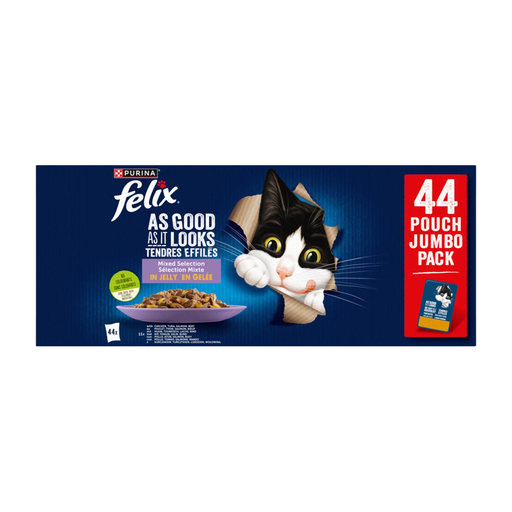
Why this suits the profile: A multipack with 44 x 85 g pouches is practical for households that want to offer different flavours and portion the stock per meal.
According to the description, this product is a complete food for adult cats. The recommended amount still depends on weight and activity.
44 pouches, four named flavours and 85 g portions. The description mentions vitamins D, E and omega 6.
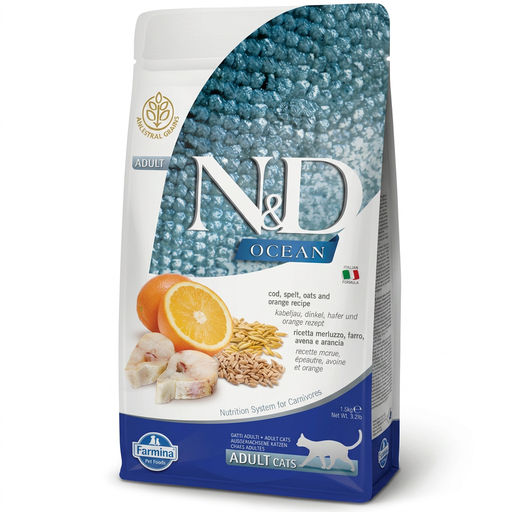
Why this suits the profile: This dry food has a detailed recipe with cod, herring oil, spelt and oats. That suits buyers who want to compare ingredients in more detail.
The composition lists specific percentages, including 27% fresh and 26% dehydrated cod. Always check the label on delivery.
1.5 kg pack; cod as a clearly named main ingredient group; with taurine, vitamins and minerals according to the product information.
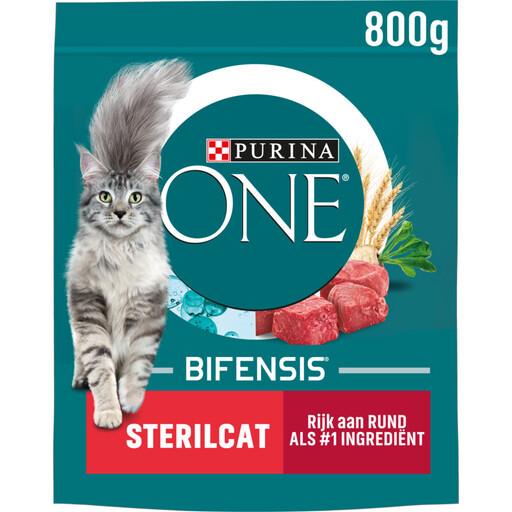
Why this suits the profile: This is aimed at neutered or spayed adult cats and includes stated feeding advice per weight class.
The packaging is clearly indicated for neutered and spayed cats. According to Purina, the protein-to-fat ratio is adjusted; this is a brand claim, not individual nutritional advice.
800 g dry food; 37% crude protein and 13% fat according to the stated analysis; feeding advice of 35–85 g per day depending on weight.
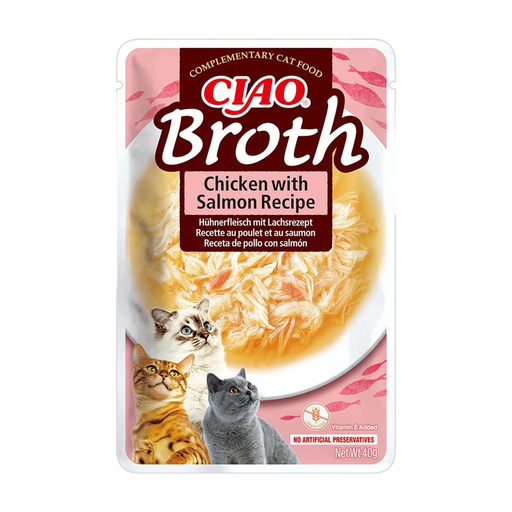
Why this suits the profile: A small pouch of broth with chicken and salmon is suitable as a complementary food or treat alongside the regular meal.
The product name and description state that it’s a treat. It therefore doesn’t replace complete cat food.
40 g per pack; 93% moisture according to the analysis; composition with chicken broth, chicken and salmon.
We’ve compiled a complete, up-to-date list of products that fully meet these strict selection criteria and the applicable European safety regulations.
Let your cat get used to new food gradually. Over a few days, mix a little more of the new product into the old food. This makes it easier to see whether the flavour and composition are accepted.
Store opened wet food covered in the fridge. Felix pouches state use within 24 hours; some soups indicate a maximum of two days. Always follow the label on your packaging. Ideally, serve wet food at room temperature. For dry food, weigh out a portion and always provide clean drinking water.
Not necessarily. Wet food for cats typically contains more moisture, while dry food is easy to store and measure. A combination can be practical, as long as the total daily amount matches your cat’s weight and activity.
That varies by product, body weight, age and activity. Use the feeding guide on the packaging as a starting point and check body condition regularly. For a neutered cat, a product with a specific nutritional indication can help you portion more precisely, but it’s still important not to top up endlessly.
That depends on the type of food and the packaging. Store opened wet food sealed in the fridge and follow the timeframe on the label. Dry food keeps longer when you close the bag properly and store it in a cool, dry place. If the food smells or looks off, don’t feed it any more.
