
Vandaag of morgen in huis

Kwaliteit gegarandeerd

Welkomstaanbiedingen ontgrendelen: GRATIS bezorging | Tot 80% korting | Gratis 30 dagen JoyPlus-proefperiode
Download de app
There is a huge choice of cat food and cat treats. Dry food, wet food, kitten food, grain-free recipes and treats for hairballs or dental care are often displayed side by side. However, eye-catching packaging does not always tell you whether a product is suitable for your cat.
Three common pitfalls are:
The term complete cat food means that the product is intended as daily food, in accordance with the instructions on the packaging. Felix Premium Cat Food Fish Mix, for example, is described as complete food for adult cats. For kittens, Farmina N&D Ocean Kitten Cod, Farmina N&D Prime Kitten Chicken and Purina One Junior are among the products labelled as complete food.
A complementary treat serves a different purpose. According to the product information, INABA Bisque Cat Chicken Recipe contains 93% moisture and is intended as a hydration treat or topper. Its low protein content and complementary nature make it clear that it should not be used as a main meal on a one-to-one basis.
Kitten food is formulated for growth and is generally used from weaning until around 12 months, depending on the product guidelines. Pay attention to the intended age group:
According to Iams’ product description, the kitten recipes contain ingredients including DHA, taurine, vitamins and minerals. Treat these as product specifications, not medical promises. If your cat has a medical condition, food intolerance or a noticeable change in eating habits, it is sensible to consult a vet.
Wet cat food generally contains more moisture than dry cat food. This can be useful for cats that drink very little, but you should compare the nutritional value of each product. According to the product specification, INABA Fun Bites Cat Chicken Wraps Tuna contains 93% moisture, 10% crude protein and 0.2% crude fat. The product is intended as a complementary treat.
Dry food is more concentrated. According to the label, Farmina N&D Prime for neutered cats contains 38% crude protein, 16% crude fat and 9% moisture. The recommended amount is between 25 and 95 grams per day, depending on weight. Always follow the feeding guidelines on the packaging and adjust the portion according to activity levels and body condition.
The same applies to cat treats: deduct treats from your cat’s daily food allowance. This prevents small rewards from unknowingly making up a large part of your cat’s energy intake.
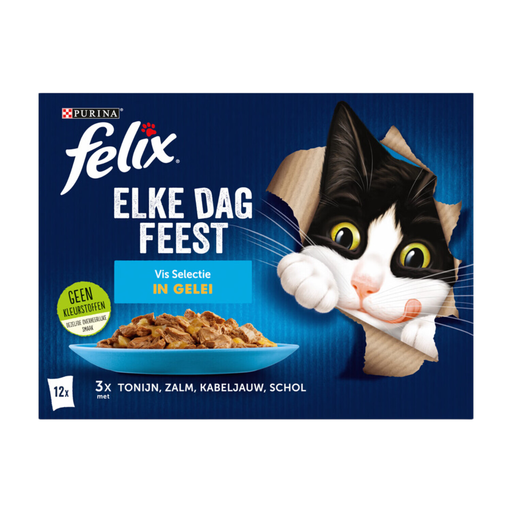
Why it suits this profile: A multipack of wet food for adult cats, featuring four fish flavours in jelly. Handy when you want to offer different varieties without buying several individual packs straight away.
The product information clearly states that this is complete food for adult cats. However, check the portion and do not serve it as kitten food.
12 portions of 85 grams, four fish varieties, 82% moisture and vitamins D and E according to the product specification.
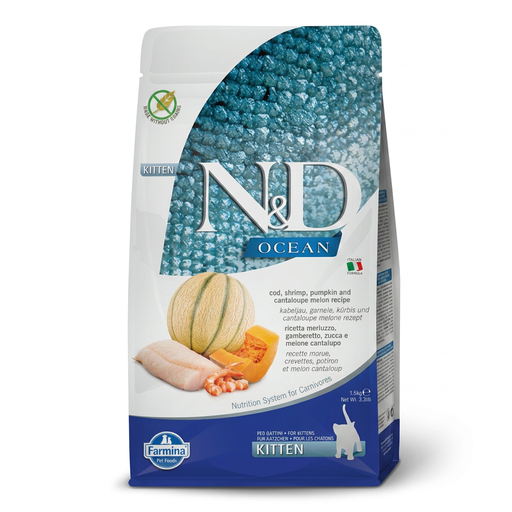
Why it suits this profile: Designed for kittens and, according to the product information, also suitable for pregnant or nursing cats. The recipe uses cod, dried fish and fish oil as key ingredients.
The life stage and nutritional status are clearly stated: this is complete food for kittens. This makes the difference from individual cat treats clear.
According to the label, 44% crude protein, at least 0.70% DHA, 0.40% EPA and 1.5 kg contents.
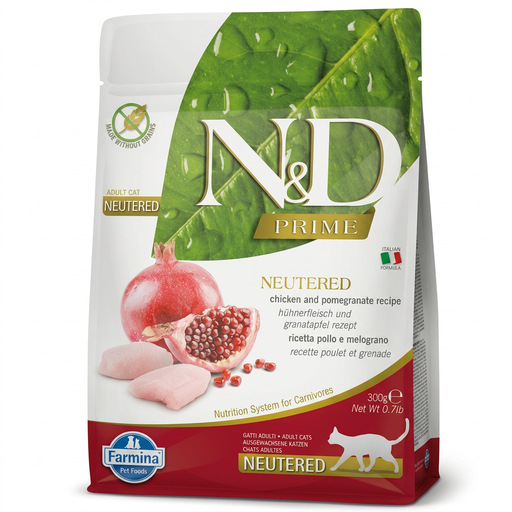
Why it suits this profile: Intended for neutered cats and suitable for owners who want to tailor portions precisely to their cat’s weight and activity levels.
The product description warns that neutered cats often need less energy and that overfeeding should be avoided. Therefore, follow the table on the packaging.
38% crude protein, 16% crude fat, chicken as a key ingredient and a grain-free recipe according to the product specification.
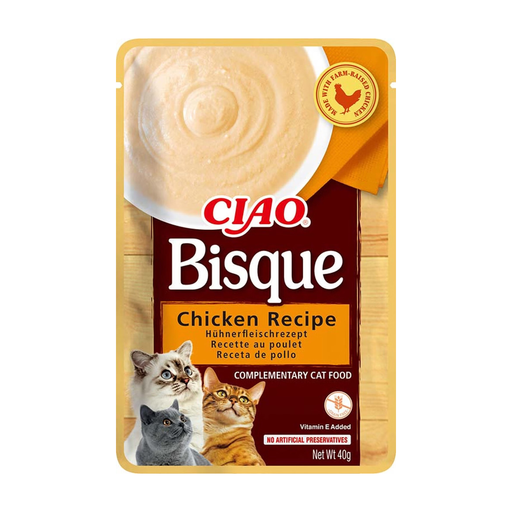
Why it suits this profile: A soft chicken treat with a high moisture content that can be given on its own or mixed into dry food.
The product information states that it is complementary feed. Use it as a treat or topper, while keeping complete cat food as the foundation of your cat’s diet.
93% moisture, chicken as the stated protein source and 50 grams per pack; refrigerate after opening and use within 24 hours.
We have put together a complete, up-to-date list of products that fully meet these strict selection criteria and the applicable European safety regulations.
Cat treats for hairballs sometimes contain fibre-rich ingredients. G’woon Cat Treats Anti-hairball lists 4% crude fibre and at least 4% lignocellulose among its ingredients. According to the product information, the guideline is approximately 5 to 10 treats per day, depending on weight. It remains complementary feed, so do not exceed the recommended amount.
For dental cat treats, Whiskas Dental Treats Chicken Flavor states a recommended maximum of 17 pieces per day for adult cats. According to the product information, the product is intended as complementary feed and is said to support the management of plaque or tartar. This does not replace regular dental checks or care.
Hydrating cat treats such as INABA Bisque, INABA Churu and Fun Bites contain plenty of moisture. Always provide fresh drinking water as well. Once opened, these treats should be refrigerated according to the product information and used within the stated timeframe.
That depends on your cat’s preferences, the recipe and its daily nutritional needs. Wet food generally contains more moisture, while dry food is easy to portion and store. Always check whether the product is complete and suitable for your cat’s life stage.
Follow the guideline on the packaging and take the calories from your cat’s main food into account. Treats are generally complementary feed. If your cat gains weight, you can reassess its total daily amount.
No. You cannot draw such an absolute conclusion from the term grain-free. Grain-free cat food contains no grains, but its suitability depends on the full recipe and the individual cat. Choose based on life stage, ingredient list and nutritional analysis; if your cat has any problems, ask a vet for advice.
