
Vandaag of morgen in huis

Kwaliteit gegarandeerd

Welkomstaanbiedingen ontgrendelen: GRATIS bezorging | Tot 80% korting | Gratis 30 dagen JoyPlus-proefperiode
Download de app
A bag or multipack of cat food may seem like a quick choice. However, attractive packaging can hide important details. Your cat may reject the flavour, a multipack may contain too much of one variety, and a snack is not automatically suitable as a main meal. With these practical checks, you can make a more informed choice between wet cat food, dry cat food, kitten food and supplementary cat treats.
Words such as “with chicken”, “with salmon” or “with beef” do not always indicate how much of that ingredient the product contains. So check the composition. Some varieties, for example, state that the named meat makes up 4% of the chunks, while the complete meal also contains meat derivatives, cereals, vegetable protein extracts and minerals.
Also check whether the packaging says complete food for cats. A supplementary product, such as a liquid snack, does not replace a daily main meal.
Cat food for adult cats is not automatically suitable for kittens. Kittens have different nutritional needs from adult cats. For young animals, choose a product clearly labelled as intended for kittens, such as kitten food for a specified age range.
Also look for indications such as “1+”, “adult” or “junior”. If you are unsure about feeding a cat with a health condition, allergy or specific dietary requirement, it is sensible to consult a vet.
A large bag of dry food or a large tin may seem good value, but it is less practical if your cat eats little or quickly tires of a flavour. Once opened, wet portions should generally be sealed and stored in the fridge. Always check the label for the recommended period of use; product information often states a maximum of 24 to 48 hours.
A cat food multipack with portioned pouches helps to reduce waste and makes weighing easier. Small 50-gram pouches are particularly handy for cats that eat several small meals a day.
Complete pet food is intended as a daily diet when you serve the portion stated on the label. A snack or topper is supplementary. INABA Churu, for example, is described as a supplementary treat. According to the product information, one tube contains 6 calories and the snack can be used as a reward, topping or when administering medication. This makes it practical, but not suitable as a replacement for a main meal.
Wet cat food contains considerably more moisture than dry food. The supplied product information gives, for example, a moisture content of 82% for several Felix varieties, 84.5% for Whiskas in gravy and 91% for INABA Churu. A high moisture content alone does not mean that a product is suitable for every cat, but it does help when comparing textures and portions.
Choose according to your cat’s preference:
Compare crude protein, fat, crude ash, crude fibre and moisture on the label. Do not look only at the protein percentage, as wet food contains a lot of moisture and therefore cannot be compared directly with dry biscuits.
Also check:
Claims about, for example, vitality, coat condition or natural defences come from the brand. A brand’s own research may associate these with certain effects, but do not treat such marketing claims as a medical guarantee. Base your choice primarily on verifiable information on the label.

Why it suits this profile: The multipack contains 12 x 85-gram pouches in a range of jelly flavours. The product information states that it is complete food for adult cats.
The portions are pre-measured, so you are less likely to serve too much or store opened leftovers.
12 x 85 g; variety in jelly; according to the product description, complete food for adult cats.
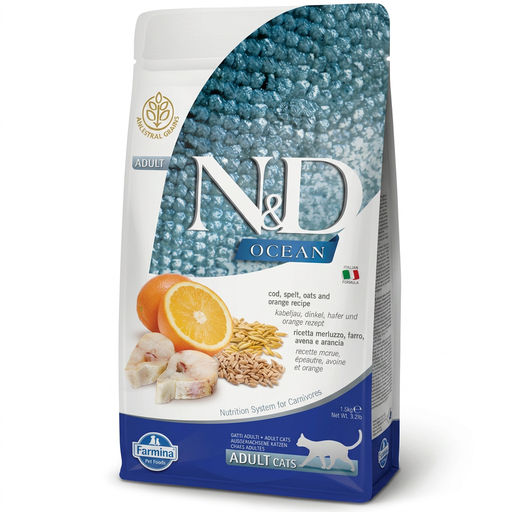
Why it suits this profile: This dry food is intended for adult cats and lists fresh cod and dehydrated cod in its composition.
The ingredients list gives specific percentages, allowing you to assess the fish content rather than relying solely on the front of the pack.
1.5 kg pack; cod listed among the first animal ingredients; suitable as dry food for adult cats according to the product information.
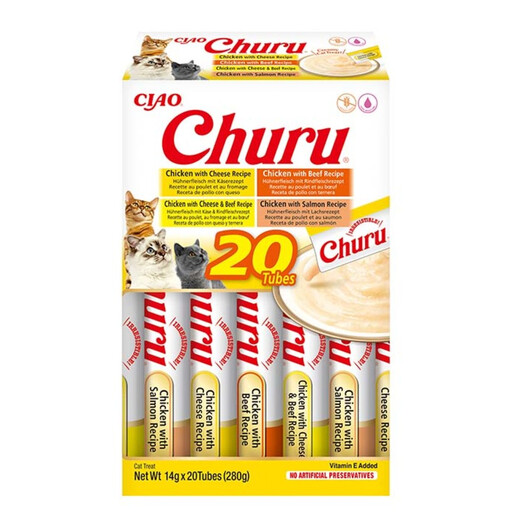
Why it suits this profile: According to the product information, this soft treat can be fed by hand, used as a topping or given alongside medication.
The product information clearly states that this is supplementary food, not a replacement for the main food.
20 tubes; 91% moisture according to the product information; 6 calories per tube.
We have put together a complete, up-to-date list of products that fully meet these strict selection criteria and the applicable European safety regulations.
Wet food generally contains more moisture and is often sold in pouches, trays or tins. Dry food lasts longer after opening and is easy to weigh out. You can combine both, but add the daily quantities together and follow the feeding guidelines on the packaging.
This depends on the cat’s weight, activity level and type of food. Many wet food products recommend several portions a day. For example, divide the quantity between two meals and adjust the portion if your cat’s weight changes. Always provide fresh drinking water.
No. Cat treats, including INABA Churu, are supplementary products. Use them according to the label and take the additional calories into account. For the daily staple, choose cat food clearly labelled as complete food for the relevant life stage.
