
Vandaag of morgen in huis

Kwaliteit gegarandeerd

Welkomstaanbiedingen ontgrendelen: GRATIS bezorging | Tot 80% korting | Gratis 30 dagen JoyPlus-proefperiode
Download de app
The choice of cat food in Dutch online shops is extensive. You will find dry food, wet cat food, kitten food, grain-free recipes and all kinds of cat treats. However, eye-catching packaging says little about whether a product is right for your cat.
Pay particular attention to three common pitfalls:
The label will tell you whether you are dealing with complete petfood or complementary pet food. Complete food is intended as a daily main food within the stated life stage. Complementary food is intended as an extra, reward or topper.
This distinction is important for products such as:
According to the product information, INABA Fun Bites Cat Chicken Wraps Tuna contain 93% moisture and are intended as complementary food or a hydration aid. INABA Bisque Cat Chicken Recipe also contains 93% moisture according to the label and can be used as a topper. These products may be useful for a cat that drinks very little, but they should be given alongside complete main food.
Also pay attention to the recommended serving size. Extras contain calories and can increase the total daily intake. Adjust the amount of main food if you regularly give your cat snacks.
A kitten has different nutritional needs from an adult cat. For young animals, choose kitten cat food or kitten food that clearly states the age from which it is suitable.
Check the following, among other things:
The product description for Purina One Junior states that it is suitable for kittens from weaning to 12 months. Farmina N&D Ocean Kitten Cod lists kittens and pregnant or nursing cats as its target group. IAMS Cat Kitten Ocean Fish is available in 3 and 10 kg packs. A small pack is practical for trying the food first; a large bag may offer better value when your kitten tolerates the food well and eats it every day.
Change over gradually when switching foods. Farmina’s product information recommends a transition lasting around seven days. Start by mixing a small amount of the new food with the old food, then increase it step by step. Stop or slow down the transition if persistent digestive problems occur, and ask a vet for advice if necessary.
The ingredients list and analytical constituents provide more useful information than pictures of chicken or fish on the packaging. When looking at chicken cat food or fish cat food, pay attention to the ingredient’s position in the list and to the percentages stated.
Useful points to check include:
For cat food for neutered cats, the daily portion is particularly important. Farmina N&D Prime Complete Cat Food for Neutered Cats – Chicken lists 38% crude protein, 16% crude fat and feeding guidance based on body weight. Neutered cats may need less energy, but the correct amount also depends on activity, age and body condition.

Why it suits this profile: The 800 g pack is a manageable choice for a first purchase, and the product information states that it is suitable for kittens from weaning to 12 months.
The life stage and feeding instructions are clearly stated. This helps prevent you from buying adult cat food for a kitten.
Complete food for kittens according to the product information; recipe with chicken, grains, DHA and taurine.
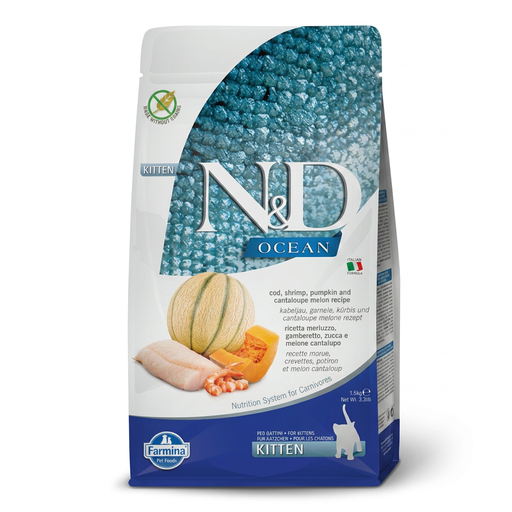
Why it suits this profile: This kitten food lists cod as a named main ingredient and states that it has a grain-free composition with DHA and EPA.
The composition includes specific analytical values, including 44% crude protein and a maximum of 8% moisture, rather than relying only on general advertising language.
Grain-free recipe; the product information lists cod, herring oil, DHA and EPA.
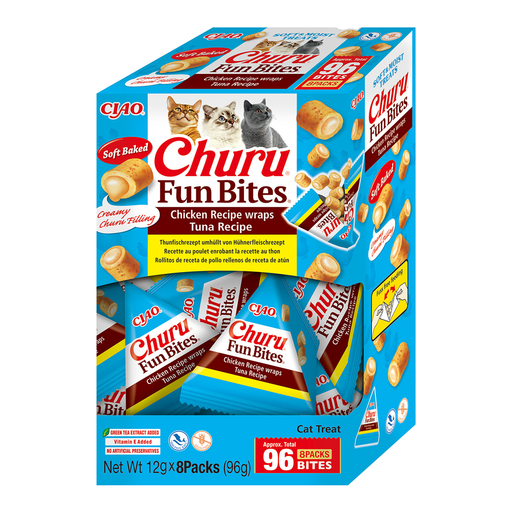
Why it suits this profile: Suitable as a complementary treat or topper for cats that could benefit from extra moisture in their daily routine.
The product is clearly identified as complementary food. This keeps the main meal recognisable as the foundation of the feeding routine.
93% moisture; four stated flavours: chicken, tuna, scallop and salmon.
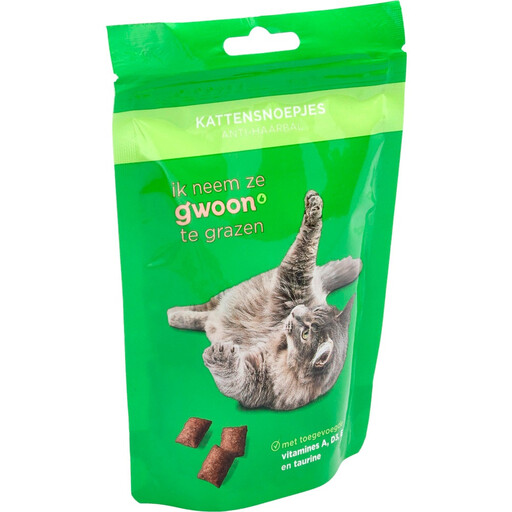
Why it suits this profile: This complementary snack is intended for owners looking for a product specifically positioned as supporting hairball care.
The feeding instructions state a daily amount of approximately 5 to 10 snacks. This allows you to factor the extra calories into your cat’s feeding plan.
4% crude fibre according to the product information; intended as a snack between meals.
We have put together a complete, up-to-date list of products that fully meet these strict selection criteria and the applicable European safety regulations.
Not every type of food suits every cat. Dry cat food is easy to portion and store. Wet food generally contains more moisture and may be appealing to cats that drink very little. Always check whether the product is complete food, and adjust the portion according to your cat’s weight, activity level and body condition.
Store dry food in an airtight container in a cool, dry place. Wet food and liquid snacks should be stored according to the label. INABA products, for example, state that they should be refrigerated after opening and used within 24 hours. Other products may have a different recommended period. Always check the packaging and do not leave opened portions at room temperature unnecessarily.
Follow the manufacturer’s recommended amount and take the calories from the main meal into account. Snacks are complementary and should not replace complete cat food. If in doubt, give smaller amounts, particularly for a neutered cat or an animal with a low activity level. If your cat has specific dietary problems, it is advisable to consult a vet.
